
Nedbank, Other Leading Corporations Collaborate with City to Alleviate Traffic
To combat the effects of load shedding, prominent entities such as Nedbank, Sasol, and Growthpoint have joined forces with the City of Johannesburg for the Traffic Signal Backup Power Initiative. This project aims to protect major intersections in Sandton from the effects of load shedding, ensuring the area's traffic flow. The clever solution entails establishing
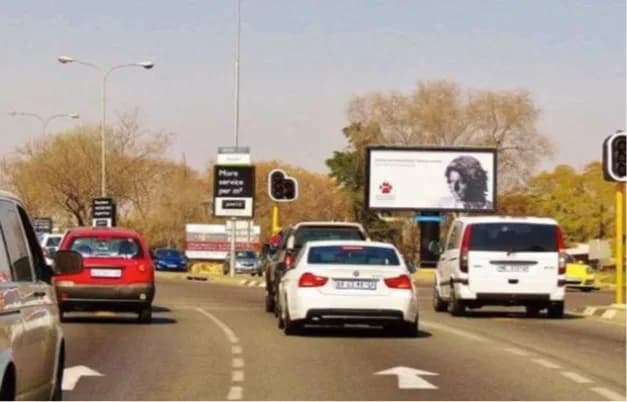
Nedbank-Other-Leading-Corporations-Collaborate-with-City-to-Alleviate-Traffic
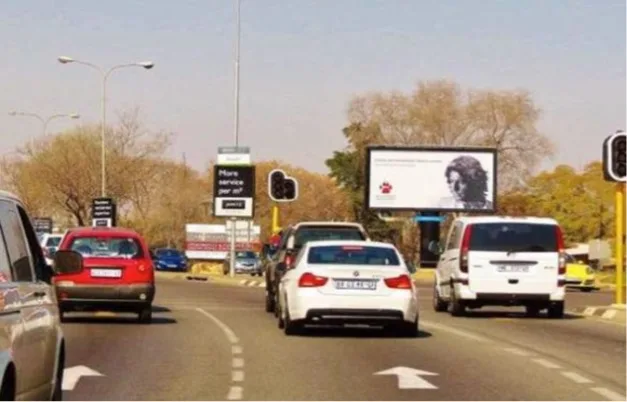
To combat the effects of load shedding, prominent entities such as Nedbank, Sasol, and Growthpoint have joined forces with the City of Johannesburg for the Traffic Signal Backup Power Initiative. This project aims to protect major intersections in Sandton from the effects of load shedding, ensuring the area’s traffic flow.
The clever solution entails establishing a secondary power connection to the nearest adjacent property, which allows traffic lights to remain operational during power outages. This initiative, undertaken in collaboration with the Johannesburg Roads Agency (JRA) and the Sandton Central Management District (SCMD), is set to expand to three additional intersections within the city’s bustling business district. Notably, the initiative’s initial implementation occurred in May in collaboration with Investec, who chose two intersections.
Elaine Jack, SCMD’s Improvement Manager, praised the corporations’ participation in the city’s effort to minimise disruptions in the country’s prominent business and financial hub. Jack expressed excitement about the Traffic Signal Backup Power Initiative’s rapid growth, emphasising how leading Sandton businesses are banding together to address the common challenge of load shedding and its negative effects on the district.
The economic benefits to the city are undeniable, as improved traffic signal reliability directly translates to reduced congestion, increased productivity, and improved safety by reducing accidents at previously compromised intersections during load shedding. Zweli Nyathi, acting CEO of JRA, emphasised these benefits, emphasising the positive impact of reliable traffic signals on both economic and safety aspects.
Nedbank, one of South Africa’s prominent “big four” banks, has taken charge of the Rivonia Road and Fredman Drive intersection as part of this collaborative effort. Growthpoint, a major real estate investment trust (Reit), has also expressed support for the Grayston Drive and Fifth Street intersection.
Sasol, a major player in the chemicals and energy sectors, has taken over management of the Katherine Street and Pybus Road intersection. According to reports, the group intends to expand its involvement to the Albertyn and Wierda Road East intersection.
This initiative is the latest example of a public-private partnership in South Africa, demonstrating corporations and government entities’ joint commitment to protecting the local economy from the disruptive effects of load shedding. The importance of such collaborations in sustaining economic progress was emphasised by Grace Nndwammbi, Senior Vice President of Sasol Business Services. Partnerships between corporations and public enterprises, according to Nndwammbi, play a critical role in ensuring the continuous advancement of industries, thereby contributing to the nation’s sustainable economic growth.
Nedbank’s Head of Corporate Real Estate, Howard Rauff, echoed this sentiment, stating the bank’s commitment to mitigating the impact of the ongoing energy crisis on the economy, businesses, and society. Rauff was pleased with the collaboration between Nedbank, Sandton Central, and the Johannesburg Roads Agency, emphasising its role in optimising efficiency and functionality within a financial and business district that contributes significantly to the country’s economic well-being.
Finally, the collaborative efforts of leading corporations in collaboration with the City of Johannesburg demonstrate a proactive approach to addressing the challenges posed by load shedding. This initiative demonstrates the power of public-private partnerships in ensuring the stability and growth of the local economy by ensuring the functionality of traffic lights during power outages.