Widening Skills Gap Threaten Namibias Mining boom
Namibia’s mining sector is experiencing renewed momentum, marked by major expansions and the resurgence of key operations. Projects such as the restarting of the Tschudi Copper Mine in Tsumeb, the expansion of the Rosh Pinah Zinc Mine in the south, and the development of Osino Resources’ gold project are clear indicators of this upscaling. Additionally,
Widening Skills Gap Threaten Namibias Mining boom
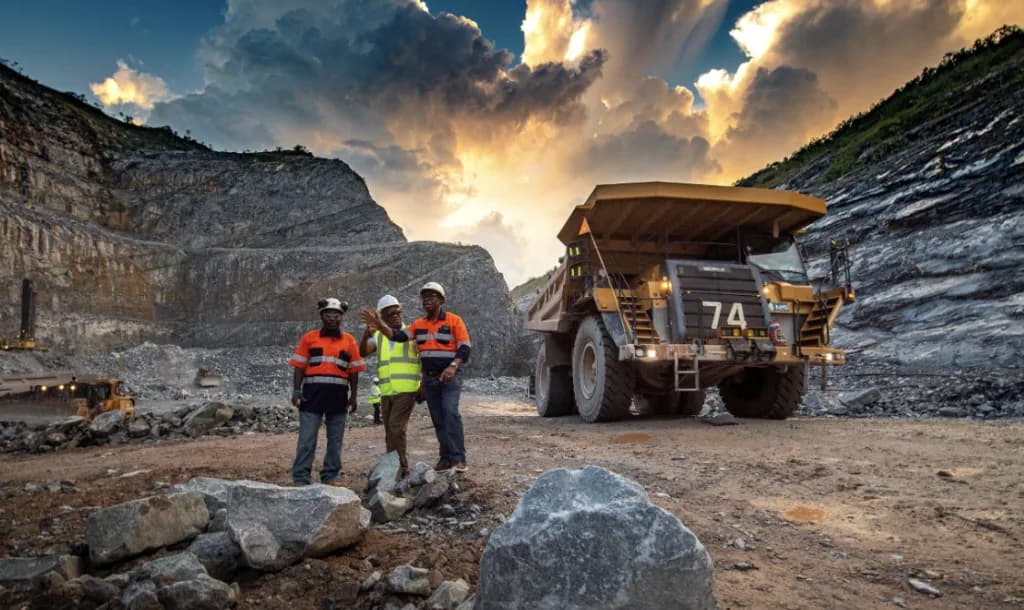
Namibia’s mining sector is experiencing renewed momentum, marked by major expansions and the resurgence of key operations. Projects such as the restarting of the Tschudi Copper Mine in Tsumeb, the expansion of the Rosh Pinah Zinc Mine in the south, and the development of Osino Resources’ gold project are clear indicators of this upscaling. Additionally, new investments in Andrada’s lithium, tin, and tantalum operations, along with infrastructure progress at Deep Yellow’s Tumas and Bannerman’s Etango-8 uranium projects in the Erongo region, reflect a sector on the rise.
This increase in activity highlights a positive turning point for Namibia’s mining industry. However, the rapid pace of development is placing significant pressure on the talent pipeline. As demand climbs for professionals in geology, metallurgy, mechanical engineering, and environmental science, the industry faces a growing mismatch between available skills and actual needs.
Skills Gap Poses a Major Threat
Despite strong artisan level skills in areas like fitting, electrical work, and boiler making, Namibia lacks sufficient higher level expertise. Mining companies struggle to recruit experienced geologists, mining engineers, contract managers, and technical project leads. In many cases, companies resort to international hires a temporary solution that does little to build local capacity for long term community engagement.
Adding to the challenge, Namibia’s education and training institutions currently do not produce enough graduates with mining relevant qualifications. This shortage causes high staff turnover, as professionals often choose long term contracts over short term ones to secure job stability. The trend continues to compound existing challenges, particularly in emerging mining hubs.
Rising Demand Across Industries
Competition for talent is expected to intensify as other sectors, such as green hydrogen and oil and gas, continue to grow. These new industries draw from the same limited talent pool, making the urgency to upskill and reskill even more critical. Without strategic intervention, Namibia risks facing a broader labour shortage that could stall its fast accelerating mining growth.
The Case for Upskilling and Reskilling
To bridge the skills gap, both government and private sector players must prioritize investment in workforce development. This includes improving the alignment between academic training and practical industry needs. Expanding graduate and apprenticeship programmes will also help ensure that new entrants are better prepared to meet on the ground challenges.
Reskilling efforts should target professionals in areas like battery mineral processing and radiation safety, especially as Namibia positions itself as a key player in supplying minerals vital to the global energy transition. While some mines have already initiated internal training schemes, broader public private partnerships will be necessary to scale these efforts effectively.
Namibia stands at a pivotal stage. The mining sector holds the potential to unlock economic growth, generate employment, and support national development goals. However, without decisive action to address the widening skills gap, this momentum may falter.