Morocco and Ghana draw investor interest beyond Africa's traditional tech markets
Nigeria, Kenya, Egypt and South Africa continue to dominate African startup funding. But Morocco and Ghana are attracting more investment, with a growing number of local businesses securing funding from investors.
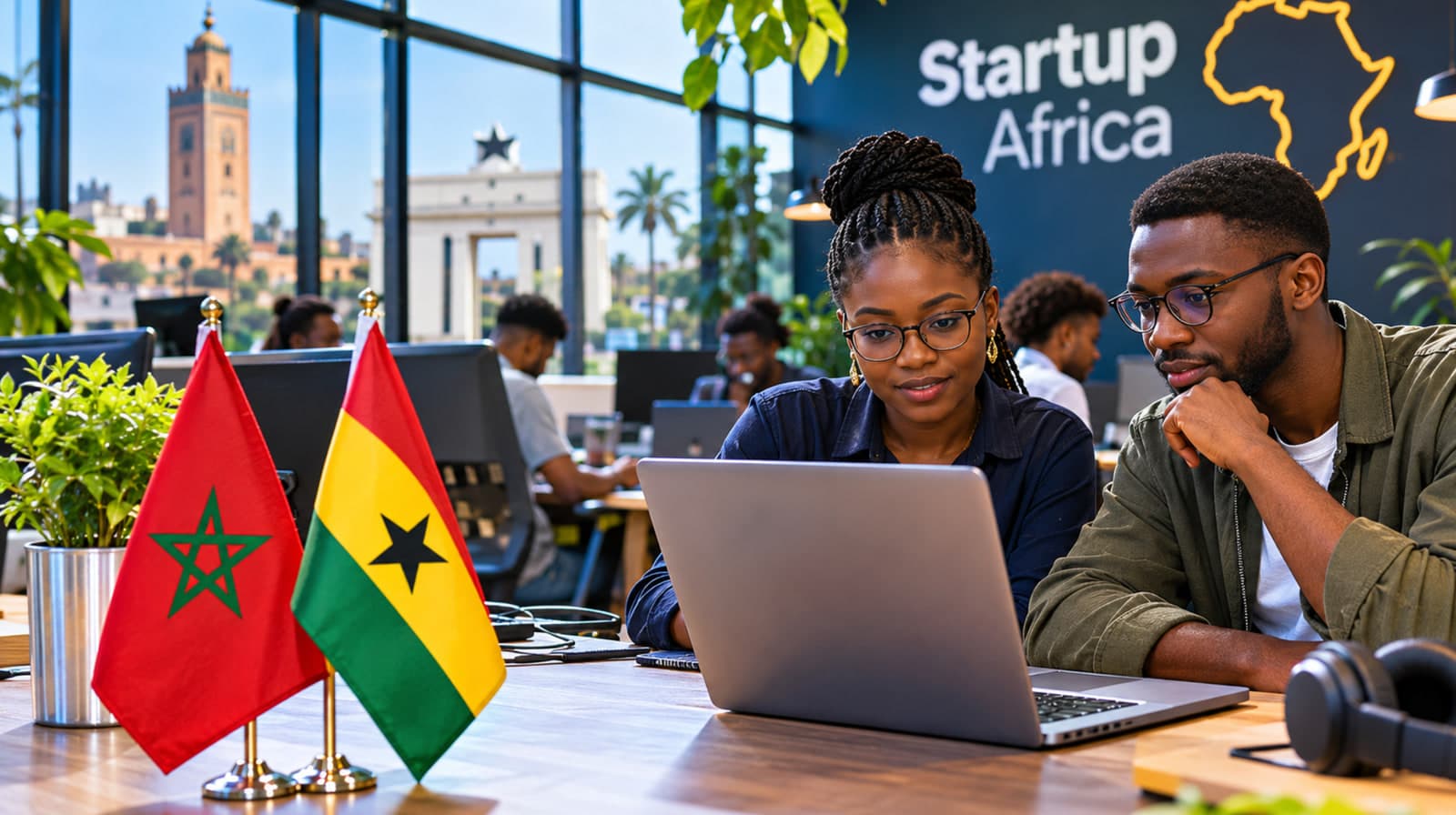
Morocco and Ghana
Investors looking at African technology businesses have traditionally focused on Nigeria, Kenya, Egypt and South Africa. These four countries still account for most of the money raised by startups on the continent.
AI-generated summary. It can miss nuance — read the full story above for the complete picture.
Investors looking at African technology businesses have traditionally focused on Nigeria, Kenya, Egypt and South Africa. These four countries still account for most of the money raised by startups on the continent. But there is more happening outside these markets. Morocco and Ghana, in particular, have been attracting investment, with dozens of startups securing funding over the past four years.
Figures from Africa: The Big Deal show that businesses outside the Big Four accounted for 35% of African startups that raised at least $100,000 in the first nine months of 2026. Five years ago, they represented just 24%. The funding figures remain heavily weighted towards the established markets. Nigeria, Kenya, Egypt and South Africa attracted 81% of the total capital raised, while all other markets combined accounted for 15%. Morocco and Ghana are among the countries trying to close that gap.
Morocco's local investors are playing a bigger role
"More African startups are attracting investors, but the bulk of the capital remains in four established markets."
Morocco has attracted $296 million in startup funding since July 2022. Thirty-three companies raised at least $1 million during that period, more than any other market outside the Big Four. Six of those businesses secured funding rounds above $10 million. What stands out is the involvement of Moroccan investment firms. At least 21 local investment organisations have backed startups since mid-2022. These include CDG, Azur Innovation Fund, UM6P Ventures, WitaMax and Kalys Ventures.
Local investors took part in 54% of startup deals, giving Moroccan businesses access to a funding network that does not depend entirely on international venture capital. There has also been activity on the exit side of the market. Morocco recorded five startup exits since mid-2022, including the listing of CashPlus on the Casablanca Stock Exchange in November 2025, at a valuation of $550 million. For a startup market, having businesses reach the point of a public listing or acquisition is important. It gives investors evidence that companies can grow beyond their initial funding rounds.
Ghana has a growing pool of funded businesses
Ghana's startup market has a different profile. Its companies attracted $221 million in funding since mid-2022, with 72 startups raising at least $100,000. Twenty one companies raised more than $1 million, while five secured rounds above $10 million. Fintech company Fido and agricultural technology business Complete Farmer were among the larger fundraisers, together accounting for 31% of the total.
There is also activity among younger businesses. Since January 2025, 32 Ghanaian startups have raised between $100,000 and $1 million. However, funding has slowed. Startups in the country raised $79 million since 2025, down 31% compared with the previous period. Another concern is the limited participation of local institutional investors. They were involved in only 6% of deals recorded since mid-2022. Ghana has recorded six startup exits over the same period. One of the largest was the $119 million acquisition of Ghana founded insurance technology company Bima in May 2026.
Senegal and Côte d'Ivoire are attracting capital too
Morocco and Ghana are part of a wider group of African markets receiving more investor attention. Senegal raised $344 million in startup funding since mid-2022, the highest amount outside the Big Four. However, much of this went to a small number of companies, particularly Wave and Africa REN. Côte d'Ivoire raised $78 million since January 2025, an increase of 48%. Fintech company Djamo and mobility business GoCab were among the companies attracting funding.
Tunisia also recorded a 143% increase in startup investment since 2025, reaching $41 million. These figures point to a wider spread of startup activity, although the size and maturity of these markets differ considerably.
The money is still concentrated
The numbers make one thing clear: more African countries are producing startups that investors are willing to back, but the bulk of the capital remains in four established markets. Morocco has attracted a stronger group of domestic investors, while Ghana has a growing number of companies raising their first rounds of funding. Both have recorded successful exits, although the availability of larger funding rounds remains a concern.
For businesses, the challenge is getting beyond the first investment. A startup that wants to expand into other African markets needs more than a promising product. It needs capital, customers and the ability to manage operations across borders. Investors are finding more companies to consider outside Nigeria, Kenya, Egypt and South Africa. Whether those businesses can attract the funding needed to become larger regional players is another matter.