Mercedes-Benz Unveils VLE Electric Van with 700 km Range
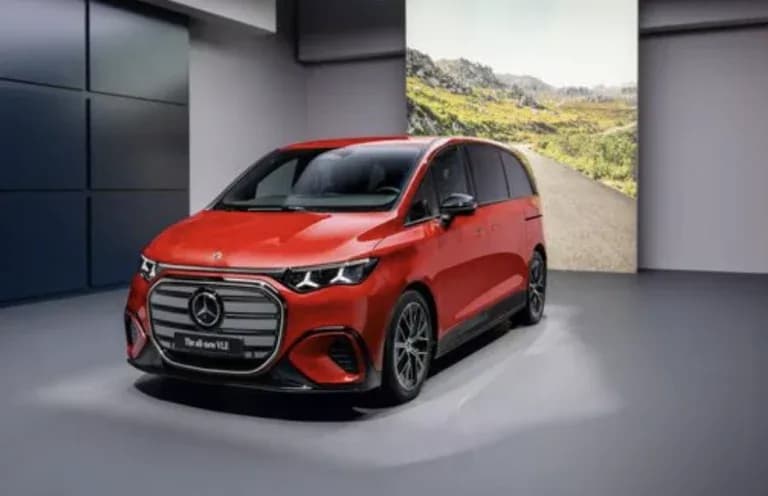
Mercedes-Benz has unveiled the VLE as part of its evolving electric van strategy toward fully electrified multi-purpose vehicles aimed at passenger transport and premium mobility services. The model sits within the company’s next-generation electric van portfolio, which combines long-range capability with increasingly digitalised cabin environments. Powertrain and Driving Range Mercedes-Benz introduced the VLE in VLE
Mercedes-Benz Unveils VLE Electric Van with 700 km Range
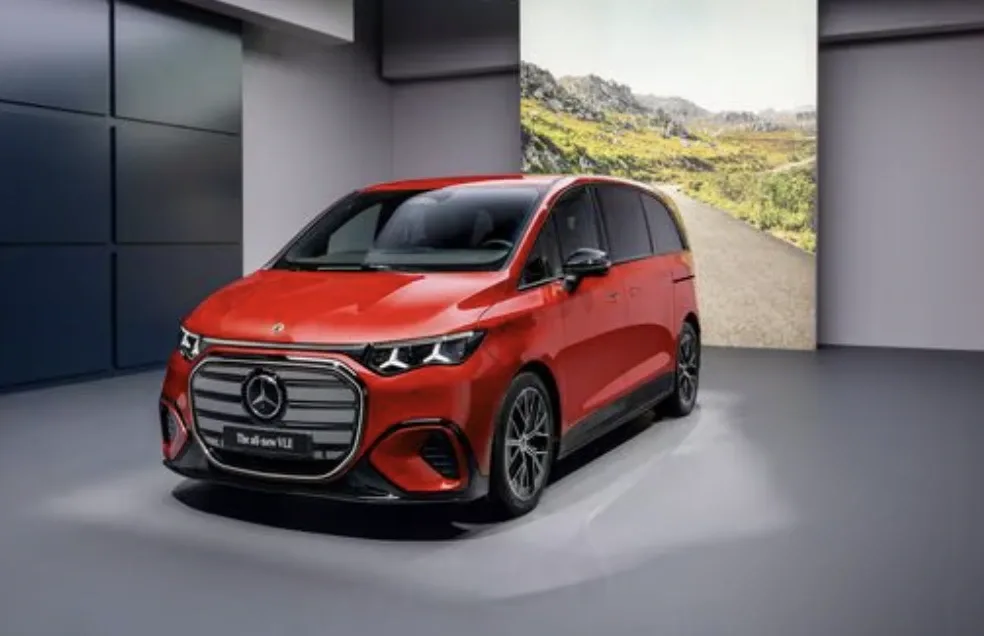
Mercedes-Benz has unveiled the VLE as part of its evolving electric van strategy toward fully electrified multi-purpose vehicles aimed at passenger transport and premium mobility services. The model sits within the company’s next-generation electric van portfolio, which combines long-range capability with increasingly digitalised cabin environments.
Powertrain and Driving Range
Mercedes-Benz introduced the VLE in VLE 300 configuration, powered by a single permanently excited synchronous electric motor producing 203 kW. The motor draws energy from a 115 kWh battery pack. According to the company, the nickel-manganese-cobalt (NMC) unit enables a driving range of more than 700 km on a full charge.
The vehicle also uses an 800-volt electrical architecture that supports DC fast charging of up to 300 kW. Under these conditions, a 15-minute charge can add roughly 355 km of range.
Performance Variant and Future Models
Mercedes-Benz has confirmed that the lineup will expand with the addition of a VLE 400 4Matic variant at a later stage. The company will position this version as the higher-performance option in the range. It will feature a dual electric-motor setup producing a combined output of 305 kW and providing all-wheel drive capability. According to Mercedes-Benz, the configuration enables acceleration from 0 to 100 km/h in approximately 6.5 seconds.
The company also plans to introduce additional variants in 2027, including two models equipped with an 80 kWh lithium-iron-phosphate (LFP) battery pack. The use of LFP technology suggests a broader strategy to diversify battery chemistries across the portfolio, potentially improving durability while lowering costs compared with nickel-based alternatives.
Digital Cabin and Passenger Experience
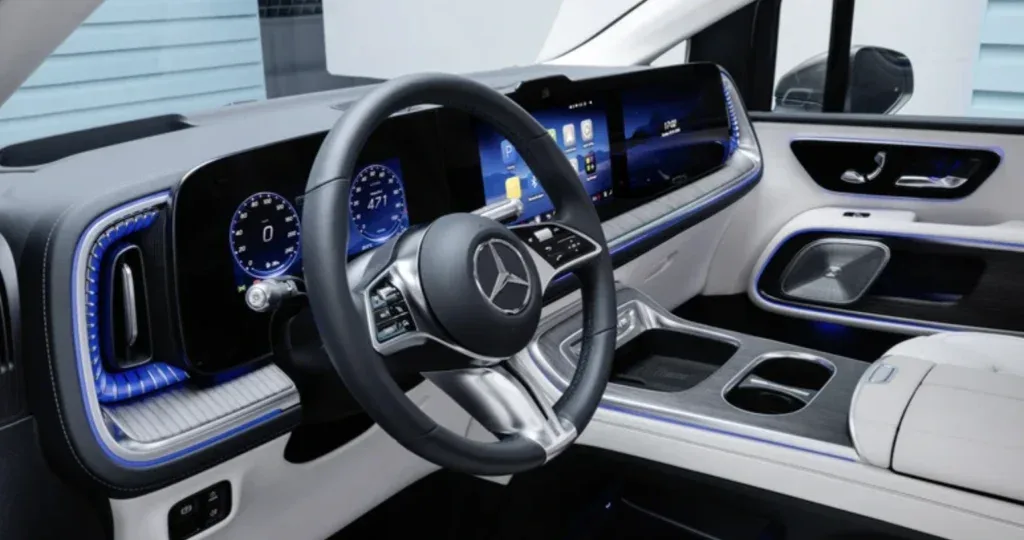
Inside the cabin, Mercedes-Benz places significant emphasis on digital interfaces and passenger connectivity. Buyers can opt for the MBUX Superscreen system, which integrates a 10.25-inch digital driver display alongside two 14-inch screens designed for infotainment and passenger interaction. An optional 23.1-inch head-up display is also available.
Rear passengers can access the MBUX Rear Space Experience system, which features a retractable 31.3-inch panoramic display designed to support streaming and multimedia entertainment. The system reflects a broader trend in the automotive sector, where digital connectivity and entertainment increasingly shape passenger vehicle design.
According to Thomas Klein, Head of Mercedes-Benz Vans, the VLE forms part of the company’s wider effort to redefine the role of electric vans in passenger mobility. The model combines the versatility associated with multi-purpose vehicles with comfort and digital features more commonly found in premium passenger cars.