
JULY DIESEL PRICE HIKE RINGS ALARM BELLS FOR EMBATTLED CONSUMERS AND BUSINESSES
The cost of diesel is going up by 18 cents per Liter in July. This will have negative consequences for consumers in the coming weeks. Logistics companies and retailers will have to spend more money on running generators during power outages, and they will pass on these costs to their customers. While there is a
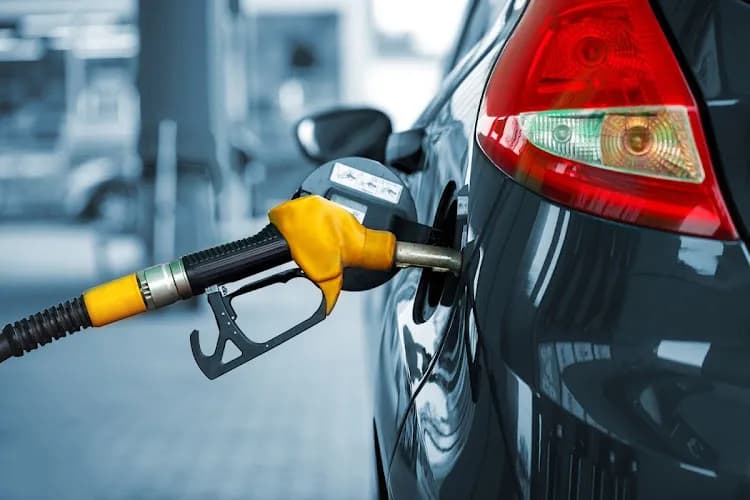
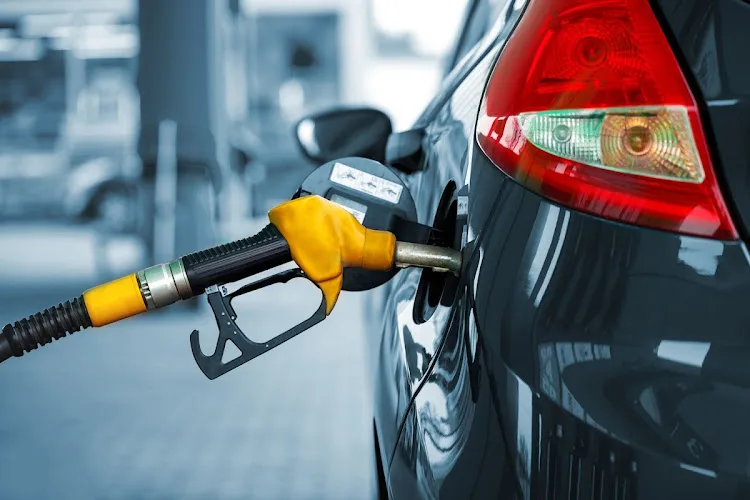
Car refueling on a petrol station closeup
The cost of diesel is going up by 18 cents per Liter in July. This will have negative consequences for consumers in the coming weeks. Logistics companies and retailers will have to spend more money on running generators during power outages, and they will pass on these costs to their customers.
While there is a small decrease in the price of petrol this month, economists warn that both petrol and diesel prices are likely to continue rising in the second half of 2023.
FNB Senior Economist Keketoso Mano explains that the risk to the South African currency, the rand, is significant, especially considering upcoming local events that could impact it. If global growth forecasts disappoint, OPEC (Organization of the Petroleum Exporting Countries) may cut oil production, leading to further increases in fuel prices.
Neil Roets, CEO of Debt Rescue, is concerned about the impact of higher diesel prices on the agricultural and manufacturing sectors. This will result in higher prices for consumers. Additionally, public transport costs will also increase, putting further strain on consumers’ budgets.
Roets emphasizes that South Africans are already struggling financially, facing rising costs of electricity, fuel, food, and water, which are necessities they can’t do without. With each increase, more people are pushed into poverty. Currently, over 30 million people in South Africa live below the poverty line.
The Department of Mineral Resources and Energy (DMRE) reports that international prices for petrol and diesel have increased, with diesel seeing a sharper rise. This is despite a slight decrease in Brent Crude oil prices. However, the South African rand has strengthened against the US dollar, which contributed to the small petrol price reduction.
Roets acknowledges that any decrease in petrol prices brings some relief, but the increase in diesel prices will contribute to overall inflation across various sectors.
“Diesel price hikes increase the cost of inputs and supplier transportation, elevate suppliers’ operating expenses, in turn, impacting on customers’ disposable income and living expenses. This locks the country into a vicious circle that can only spell financial disaster for the average South African,” he warns.
“We are seeing more people across the income spectrum turning to credit to get through the month and defaulting on their debt,” says Roets.