IMF Urges Zimbabwe to Take Further Currency Reform Steps
The International Monetary Fund (IMF) is urging Zimbabwe to take additional currency reform steps as the country falls short of fully free-floating its local currency. The IMF emphasised in an email response to questions that the credibility and effectiveness of recent Zimbabwean measures would be dependent on a swift commitment to liberalise the foreign-exchange market
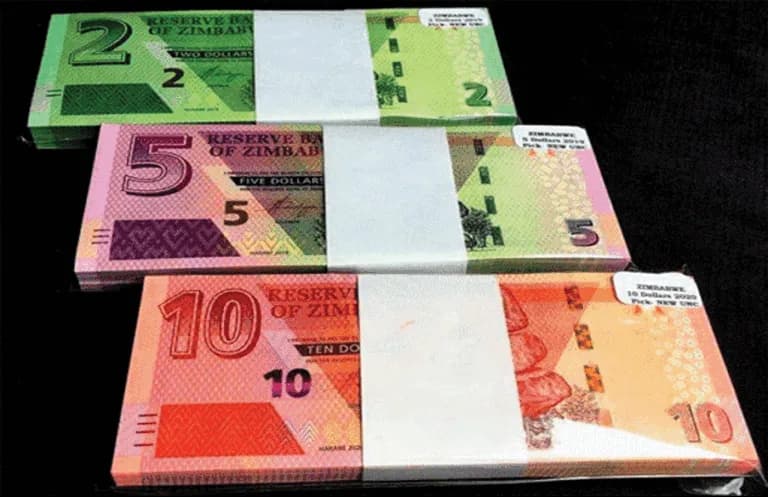
IMF-Urges-Zimbabwe-to-Take-Further-Currency-Reform-Steps
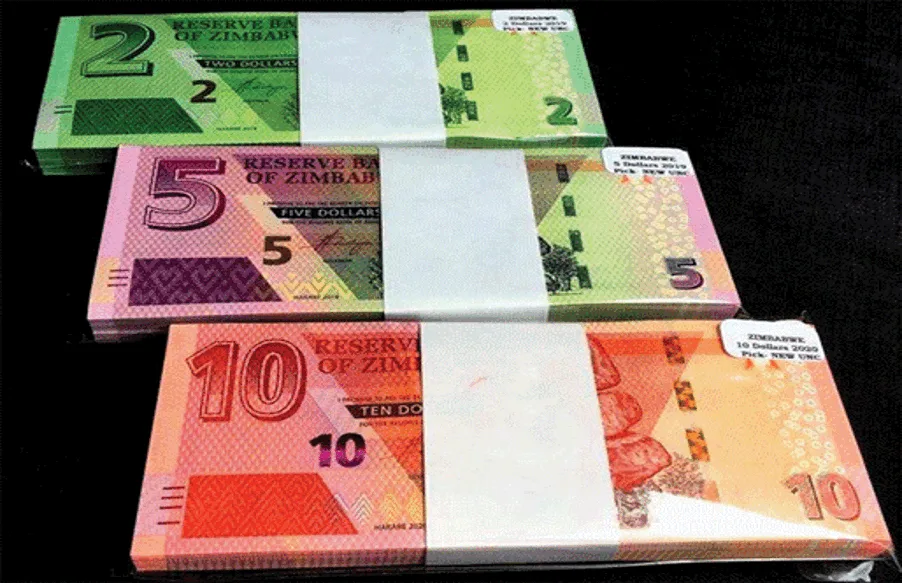
The International Monetary Fund (IMF) is urging Zimbabwe to take additional currency reform steps as the country falls short of fully free-floating its local currency. The IMF emphasised in an email response to questions that the credibility and effectiveness of recent Zimbabwean measures would be dependent on a swift commitment to liberalise the foreign-exchange market and transition to a market-based price discovery system.
Last week, the Reserve Bank of Zimbabwe announced a relaxation of restrictions on the foreign-exchange market, stating its intention to use a “market-determined” exchange rate rather than relying solely on weekly auctions. This move was intended to reduce the volatility that has plagued the economy in recent weeks. Since then, stock prices have increased by more than 600%, and inflation is on the rise due to higher prices for essential goods.
However, the central bank’s measures fell short of implementing complete free-float for the Zimbabwe dollar. As a means of establishing an interbank market, the bank stated that it would maintain certain parameters, such as setting a floor price for dollar sales and regulating the sale of foreign currency to banks for subsequent sale to their clients.
The IMF welcomed recent efforts to establish an interbank market, but noted that the parallel exchange rate, which reflects the black market, continues to depreciate. The Zimbabwe dollar is currently trading at a rate of 5,487 per US dollar on the interbank market, while black market rates on Monday ranged between 6,200 and 6,700 Zimbabwe dollars per greenback, according to websites that track exchange rates such as ZimPriceCheck.com and ZimRates.com.
The IMF believes that if the authorities accelerate the liberalisation of the foreign-exchange market, address the Reserve Bank of Zimbabwe’s quasi-fiscal operations to alleviate liquidity pressures, and maintain a suitably tight monetary policy stance, the official and unofficial exchange rates can converge. These policies are critical for reestablishing macroeconomic stability, ensuring social stability, and achieving long-term results.
In summary, the IMF is urging Zimbabwe to take additional steps towards currency reform, particularly the liberalisation of the foreign-exchange market and the resolution of liquidity pressures caused by the Reserve Bank of Zimbabwe’s quasi-fiscal operations. Zimbabwe can work towards achieving exchange rate convergence, restoring macroeconomic stability, and ensuring social harmony by doing so.
Main Image: Newsday Zimbabwe