
HisWay Labs is using sensors to tackle broken rails and cable theft in South Africa
A railway operator can lose track of what is happening on a section of line without the track itself looking obviously damaged.
Hisway
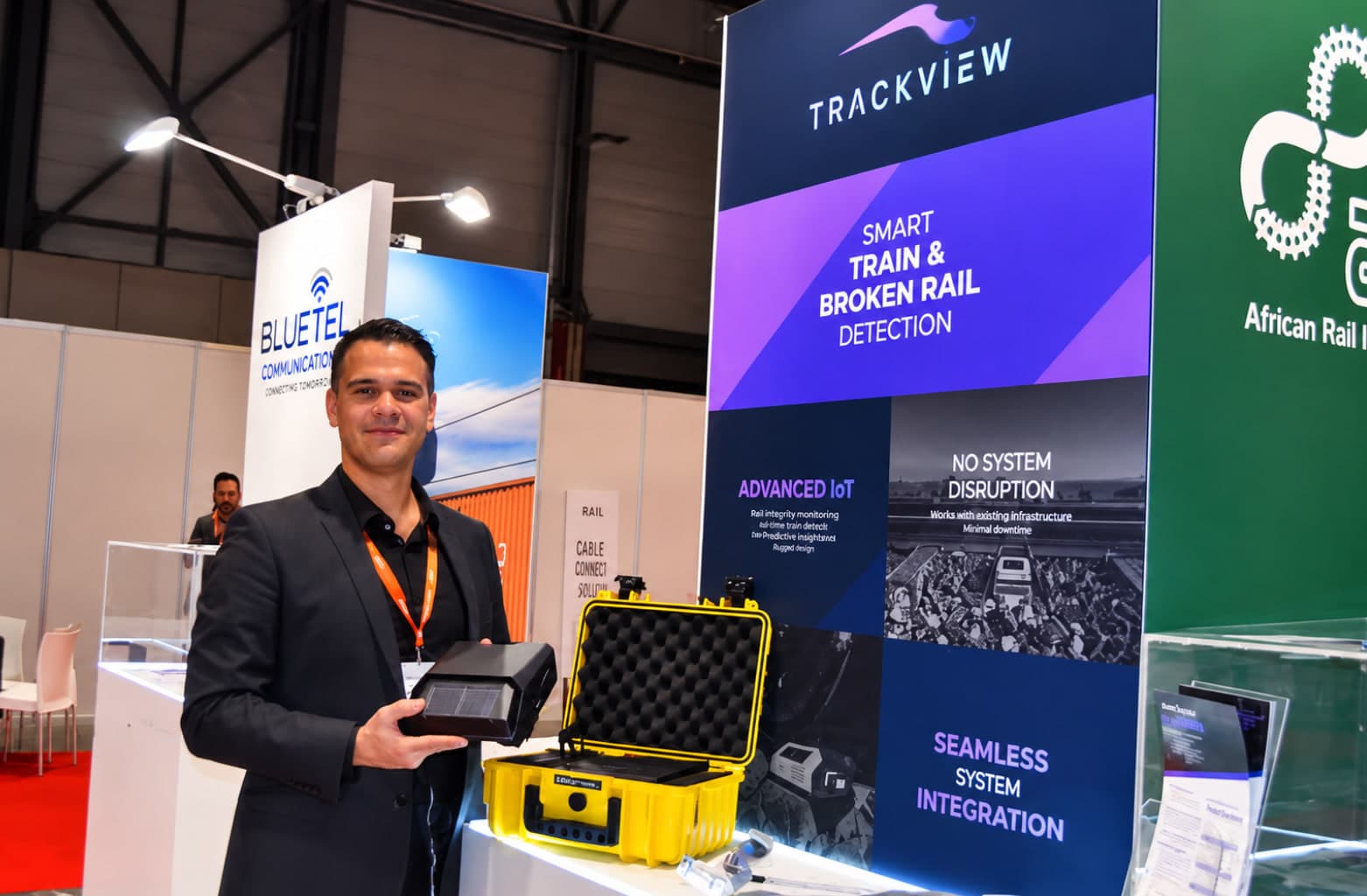
A railway operator can lose track of what is happening on a section of line without the track itself looking obviously damaged. A broken rail is one example. So is a piece of signalling equipment that has been stolen. Cape Town based HisWay Labs is trying to deal with part of this problem through TrackView, a sensor system built to monitor railway tracks and trains.
AI-generated summary. It can miss nuance — read the full story above for the complete picture.
A railway operator can lose track of what is happening on a section of line without the track itself looking obviously damaged. A broken rail is one example. So is a piece of signalling equipment that has been stolen. Cape Town based HisWay Labs is trying to deal with part of this problem through TrackView, a sensor system built to monitor railway tracks and trains. The startup has received strategic equity funding from Octoco Group and is looking to take the technology into international markets.
A different way to check the rail
Track circuits have been used on railways for decades. Among other things, they help operators detect trains and can provide broken-rail detection. But railway signalling is changing. Some networks are replacing track circuits with axle counters and other systems. These can handle train detection, but operators may need another system to monitor the physical condition of the rail.
“Someone has to install the sensors. Someone has to deal with the electrical work and solar equipment. Communications have to be set up.”
TrackView is intended to fill that gap. HisWay Labs says the system can detect broken rails and provide information on a train's position, speed and length. It does this using sensors installed on the railway rather than relying on the same trackside infrastructure used by traditional systems.
South Africa has another issue
The technology also has to make sense in a country where railway equipment is regularly stolen. Cable theft has affected South Africa's rail network for years. Operators have to replace stolen cables and other equipment, while damaged signalling infrastructure can cause delays and service interruptions. TrackView is solar-powered and does not use copper cabling.
That removes one type of equipment that thieves commonly target. It also means a monitoring point does not necessarily need a separate power connection. There are still costs involved. The equipment has to be installed, connected and maintained, and the data it produces has to be reliable enough for railway operators to use.
The product has moved into the field
HisWay Labs has already taken TrackView beyond development work. The system has received certification and type approval from the Passenger Rail Agency of South Africa (PRASA). It has also been commercially deployed with Siemens Mobility. The company is now testing the technology in the United States and looking at the European market. That brings a different set of requirements.
Rail operators do not all use the same signalling systems, and equipment has to meet local safety and approval requirements. HisWay Labs will have to adapt to those differences as it enters new markets.
What does this mean for smaller businesses?
The technology itself is only one part of a railway deployment. Someone has to install the sensors. Someone has to deal with the electrical work and solar equipment. Communications have to be set up. Equipment needs to be inspected and repaired when something goes wrong. Those are areas where smaller engineering and technical businesses can potentially get involved.
A local electrical contractor, for example, could be used for installation work. A communications company could handle connectivity. Maintenance firms could be brought in once equipment is operating. That does not mean every TrackView deployment will create contracts for SMEs. HisWay Labs and the railway operator will decide how the work is procured.
But this is often where smaller businesses sit in large infrastructure projects: not supplying the main system, but doing the work needed to get it installed and keep it running.
From South African railways to other markets
HisWay Labs has an advantage that comes from building the product in South Africa. The company is dealing with conditions that include cable theft, long stretches of railway and infrastructure that can be difficult to maintain.
Now it has to find out whether those same features make TrackView useful to operators elsewhere. The Octoco funding gives the company more money to pursue that expansion. Its work in the US and Europe will show whether railway operators outside South Africa are prepared to use the system. For HisWay Labs, the immediate job is not particularly complicated to explain. It needs railway operators to install TrackView, use the information it produces and decide that it is worth paying for.
If that happens, the businesses around those installations from electrical contractors to maintenance and communications companies could benefit as well.