HealthDart Uses Advanced tech to overhaul South Africa’s Healthcare
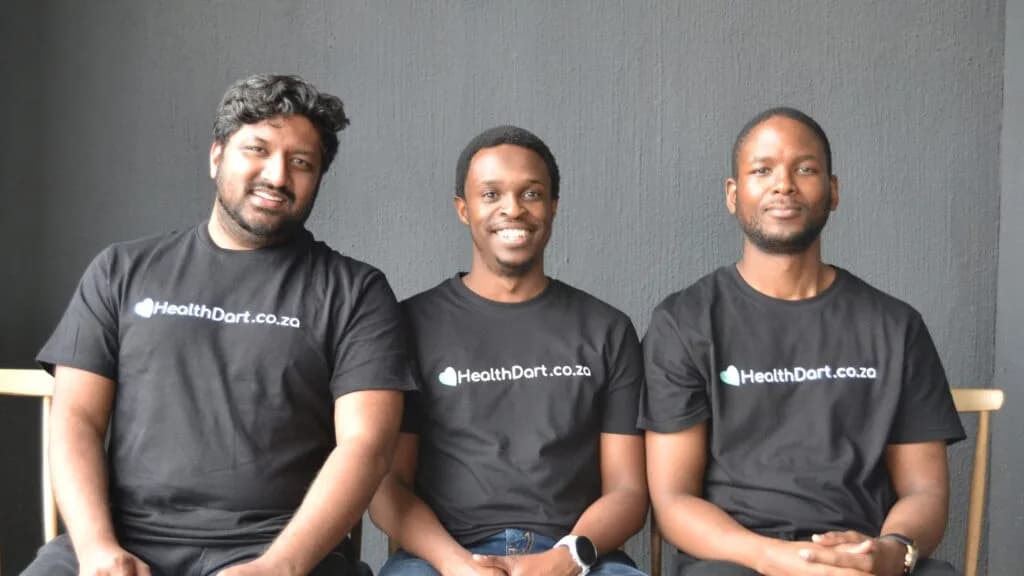
A South African startup, HealthDart dedicates to revolutionising the country’s healthcare system by implementing technology-driven solutions. The long waiting lists, time-consuming clinic queues and inefficiencies within the public healthcare system have been an ever-growing issue in the country. HealthDart seeks to transform healthcare delivery by using various technologies including artificial intelligence. The start-up has been
HealthDart Uses Advanced tech to overhaul South Africa’s Healthcare
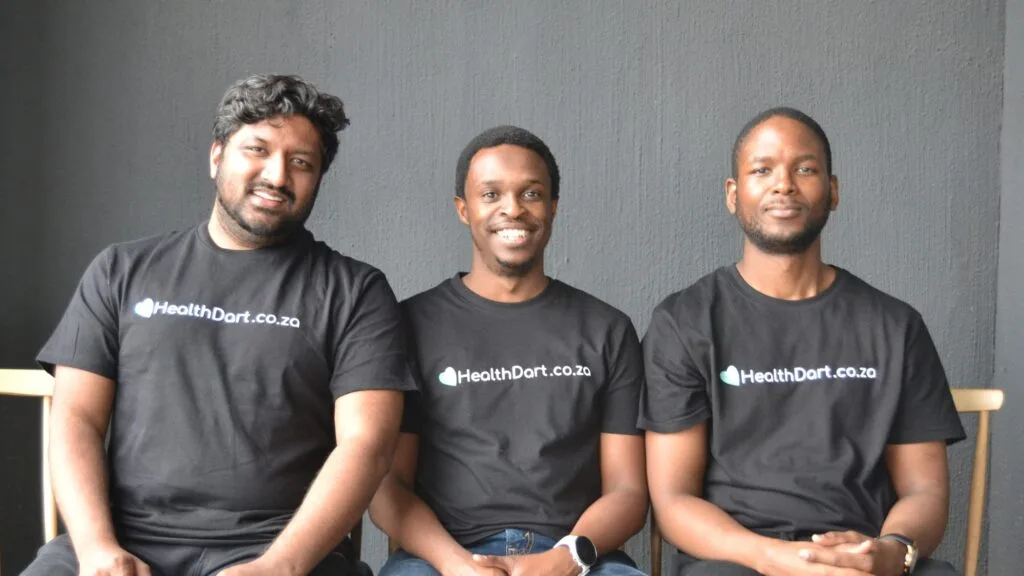
A South African startup, HealthDart dedicates to revolutionising the country’s healthcare system by implementing technology-driven solutions.
The long waiting lists, time-consuming clinic queues and inefficiencies within the public healthcare system have been an ever-growing issue in the country.
HealthDart seeks to transform healthcare delivery by using various technologies including artificial intelligence.
The start-up has been selected to be part of the Google For Start-ups Black Founders Fund 2023 cohort. The start-up can receive up to $150,000 in non-dilutive cash awards and $200,000 in Google Cloud credits. Additionally, HealthDart will receive support for Google Ads and have access to one-on-one mentoring from Google employees and industry experts.
HealthDart launched an AI-powered chatbot in 2022, which assists with seeking the correct healthcare providers for their needs.
Njabulo Skhosana, HealthDart’s co-founder and chief executive, who worked as a healthcare scientist seeks to change the business of healthcare. Skhosana said that their start-up’s ultimate goal is to also reduce the financial burden and time spent seeking treatment.
“HealthDart works by ensuring people get the right healthcare they need at an affordable price,” says Skhosana.
“We’re still literally right at the beginning of the digital transformation process within healthcare,” he says. “We’ve got 60 million people in the country and I would honestly be shocked if more than a hundred thousand have actively used virtual healthcare services on a regular basis.”