Ghana Unveils Mining Reforms to Empower Communities
Ghana, Africa’s leading gold producer, is overhauling its mining laws to increase transparency, strengthen environmental and social protections, and ensure communities benefit more directly from the country’s mineral wealth. This marks the most significant update to Ghana’s mining regulatory framework in nearly two decades. Lands and Natural Resources Minister Emmanuel Armah Kofi Buah announced the
Ghana Unveils Mining Reforms to Empower Communities
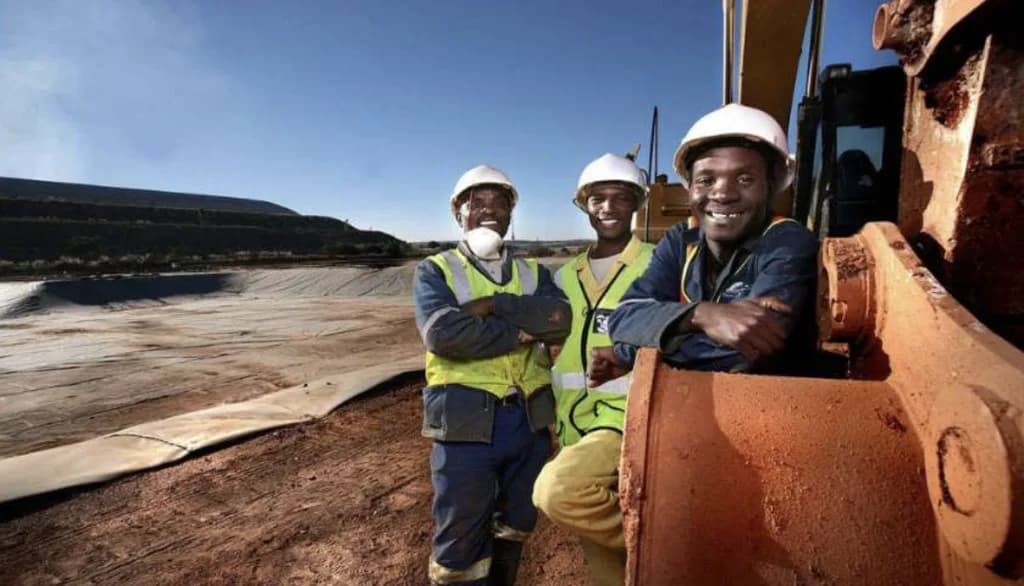
Ghana, Africa’s leading gold producer, is overhauling its mining laws to increase transparency, strengthen environmental and social protections, and ensure communities benefit more directly from the country’s mineral wealth. This marks the most significant update to Ghana’s mining regulatory framework in nearly two decades.
Lands and Natural Resources Minister Emmanuel Armah Kofi Buah announced the reforms, which respond to growing demands within Ghana and across West Africa for more value addition and accountable resource governance.
Shifting Power Back to the People
A key provision of the reforms introduces a mandatory revenue-sharing model. Mining companies must now contribute a fixed percentage of their gross mineral sales to fund development projects in the communities where they operate. For years, mineral royalties and taxes flowed through national institutions, often bypassing host communities that generated billions in mineral exports but remained underdeveloped.
Under the new system, communities will receive a guaranteed share of mining revenues. These funds are expected to support local infrastructure, healthcare, education, and environmental rehabilitation. The initiative directly confronts the so-called “resource curse” and aims to promote peace and development in mining areas.
Cutting Licence Durations and Strengthening Compliance
The reforms also reduce the duration of mining leases and eliminate automatic renewals. Previously, companies could secure licences for up to 30 years with minimal renewal hurdles. The new rules shorten these periods and make renewals contingent on strict compliance with environmental, social, and production standards.
This change holds operators accountable and prevents long-term land holding without tangible development. It also enables the government to revisit terms as national priorities and local needs evolve.
Introducing a Medium-Scale Mining Category
A new category for “medium scale” mining licences will help close the gap between informal small-scale miners and large multinational corporations. Many local entrepreneurs and cooperatives have lacked the capital to scale up legally, often resulting in illegal operations.
By creating a legal pathway for mid-sized operations, the reforms aim to reduce illegal mining, enhance tax collection, and improve state oversight. This inclusion could empower more local actors to participate in the mining sector legally and sustainably.
Revising Stability Agreements
Ghana also plans to revise its stability agreements long-term contracts that offer tax and regulatory predictability to investors. Going forward, these agreements will only cover the period needed for companies to recover their initial capital investments. This marks a shift from past deals that guaranteed terms for up to 15 years.
The update seeks to balance investor confidence with Ghana’s need for policy flexibility as economic and environmental conditions change.
Setting a New Regional Standard
Unlike more radical reforms seen in other African nations, Ghana’s approach is measured and deliberate. The new laws won’t apply retroactively, which helps maintain investor confidence while establishing higher standards for future projects.
These changes come as many African countries reexamine natural resource management. Rather than pursue nationalization or widespread contract cancellations, Ghana prioritizes regulation, community development, and responsible investment.
The revised Minerals and Mining Act is about 85% complete after extensive consultations with mining companies, civil society groups, and community leaders. Lawmakers are expected to finalize the legislation later this year. Once enacted, the law will guide all new mining agreements and reinforce accountability across the sector.