From View Counts to Verification Here’s Every Twitter Change Under Elon Musk
Since Elon Musk purchased Twitter in October, the social media network has made several changes to the user experience, including a revamp of the authentication process and a focus on "free speech." Elon Musk has made a number of modifications to Twitter since his widely publicised — and contentious — acquisition of the network in
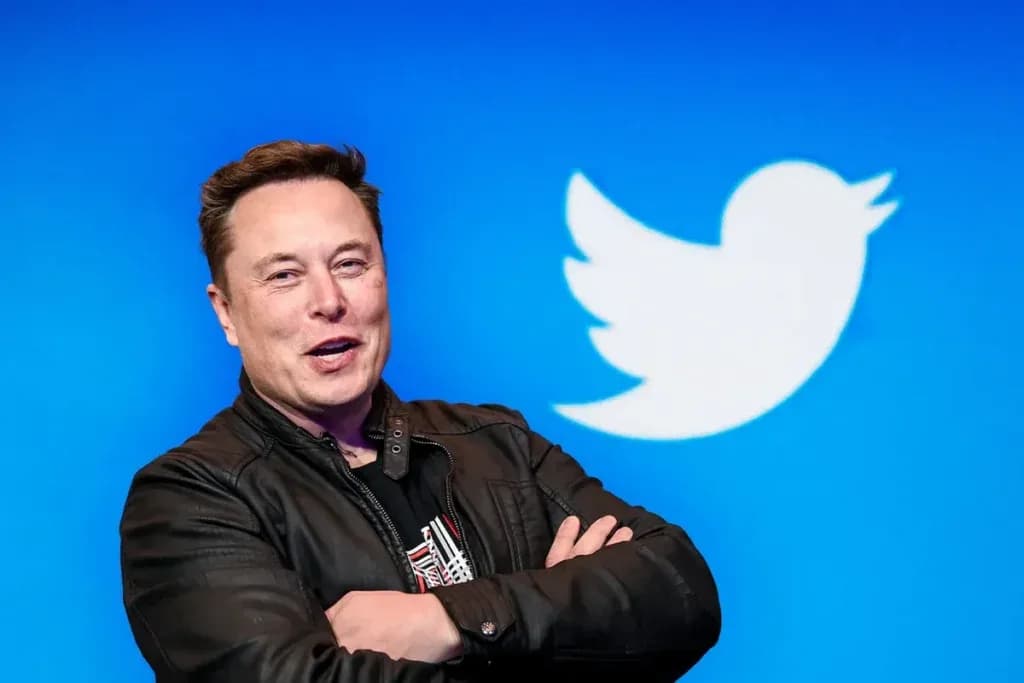
From View Counts to Verification Here’s Every Twitter Change Under Elon Musk
Since Elon Musk purchased Twitter in October, the social media network has made several changes to the user experience, including a revamp of the authentication process and a focus on “free speech.”
Elon Musk has made a number of modifications to Twitter since his widely publicised — and contentious — acquisition of the network in October, often live-tweeting them along the way.
The revamp of the verification process is one of the most important changes: Previously, blue checkmarks represented public people who had been independently verified by the platform; however, users may now purchase a verified checkmark by subscribing to Twitter Blue for $8 per month.
Musk reinstated a number of suspended accounts, including Donald Trump, Jordan Peterson, and Kathy Griffin, after declaring Twitter’s new policy to be “free speech,” in which negative or hate tweets will be “deboosted,” but not banned. Musk reinstated Trump’s account after conducting a Twitter poll, in which 51.8% of the 15 million respondents voted “yes” to return the former president’s account.
Each tweet now indicates how many views it has received, an upgrade Musk made to demonstrate how “Twitter is much more alive than people think.”
Twitter now divides a user’s timeline into three sections: a TikTok-style “for you” page, an algorithm-curated feed of tweets it believes the user would enjoy, and a “following” page, which only contains tweets that the user follows.
Twitter reversed a brief policy that prohibited users from publishing links to other social networking networks; after less than a day of outrage, the platform removed the guideline from its website.
NEW VERIFICATION PROCESS
One of the most significant — and often mocked — Musk-era Twitter modifications was his radical adjustment to the authentication procedure. Previously, blue verification badges proved the legitimacy of public persons’ profiles, such as celebrities, journalists, or government officials. Those blue checks (now known as “legacy” verified accounts on Twitter) are still accessible, but the company has made blue checks available to anybody who subscribes to Twitter Blue, a programme that allows users to sample new features. There is no discernible difference between the old and new blue checkmarks, raising fears that anyone may mimic famous personalities (though hovering over or tapping on the blue check reveals whether the account is subscribed to Twitter Blue or is a legacy verified account).
Users purchased checkmarks to spoof personalities such as Donald Trump, Rudy Giuliani, and Kobe Bryant within hours of the new blue checks’ release, according to CNN. Within minutes, a Washington Post columnist had accounts imitating comic Blaire Erskine and Senator Ed Markey (D-Mass.) authenticated. The next day, Twitter briefly banned the opportunity to purchase a blue check, promising to fix impersonation concerns. Musk has stated that he intends to eliminate legacy confirmed checkmarks, stating that the prior verification procedure was “corrupt and nonsensical.” In another change to the verification system, accounts held by corporations are represented by gold checks, whereas accounts controlled by government bodies and politicians are designated by grey checks.
CRITICISM OVER UPDATE
Musk’s platform adjustments have been criticised for a variety of reasons, ranging from being superfluous and unpleasant to allowing hate speech. The option for anybody to buy authentication has been criticised for making it simple to mimic famous persons and spread falsehoods. Members of the Taliban purchased blue checks in January, but they were eventually deleted due to outrage.
Musk was also chastised in December when Twitter suspended the accounts of many journalists critical of his ownership of the firm (Musk tweeted that these accounts “doxxed my exact location in real time”), however these accounts were eventually reinstated. According to The Information, over 500 advertisers have paused spending on Twitter due to criticisms of the verification procedure and Musk’s big layoffs, resulting in a 40% decline in daily income. Some notable Twitter influencers told NBC News that everyday use of the site has deteriorated under Musk’s leadership, including an increase in hate speech as the company’s personnel has been cut in half, as well as an increase in technical difficulties.
These influencers, including Matt Nelson, who manages the 9.3 million-follower “We Rate Dogs” account, told NBC News that the verified notifications function, which displays notifications received by verified accounts, is no longer relevant since anybody can pay for a blue checkmark. The default “for you” feed has also irritated some users, who believe the upgrade was unnecessary and that they are now seeing tweets they are not interested in. LGBTQ advocacy organisations have also claimed that the platform’s “free speech” policy is exacerbating anti-transgender discourse. According to Bloomberg, among the accounts reinstated under Musk’s tenure are the Babylon Bee, a Christian parody news site, and author Jordan Peterson, who has previously sent transphobic comments.
WHAT TO BE ON THE LOOKOUT FOR
Musk has spoken about future platform enhancements that have yet to be released. In February, he will increase the current 280 character limit to 4,000, a massive increase for the platform long known for its brevity, and users will soon be able to use formatting features like bold, underline, and font sizes, a move Musk hopes will keep people on Twitter rather than other websites to publish work. To free up handles and earn income, the corporation is also considering selling inactive usernames that have been idle for years.
IMPORTANT BACKGROUND
Musk acquired Twitter in October for $44 million dollars after months of back-and-forth and the prospect of going to trial. He swiftly reduced the company’s personnel, stating that it was on the verge of going bankrupt and that it needed to become “hard core” in order to survive, and began executing his “free speech” vision for the platform. Musk has chastised Twitter’s former leadership, accusing them of operating the network with a “left-wing bias.”
WHAT WE DON’T KNOW
Will Musk genuinely step down as Twitter’s CEO? In December, he tweeted that he will step down when he finds someone “foolish enough” to succeed him, and that he will then head the company’s software and servers departments. He asked via Twitter poll if he should stand down, adding that he would “abide by the results of this poll” — and “yes” triumphed with 57.5% of the poll’s 17.5 million votes. Since launching the poll, Musk has not offered any updates or a schedule for the hunt for a replacement.
$149.4 billion in total. That is Musk’s net worth as of Wednesday, according to Forbes’ real-time net worth tracker, putting him second only to French fashion billionaire Bernard Arnault and his family. Musk lost his previous title as the world’s richest person in December.