Dangote Refinery places $38.94 million order with Indian pump manufacturers
Dangote Refinery has awarded $38.94 million in pumping equipment contracts to two Indian manufacturers as it prepares to raise production capacity to 1.4 million barrels per day. The expansion could also create work for Nigerian businesses providing transport, fabrication, repairs and other support services.
Dangote
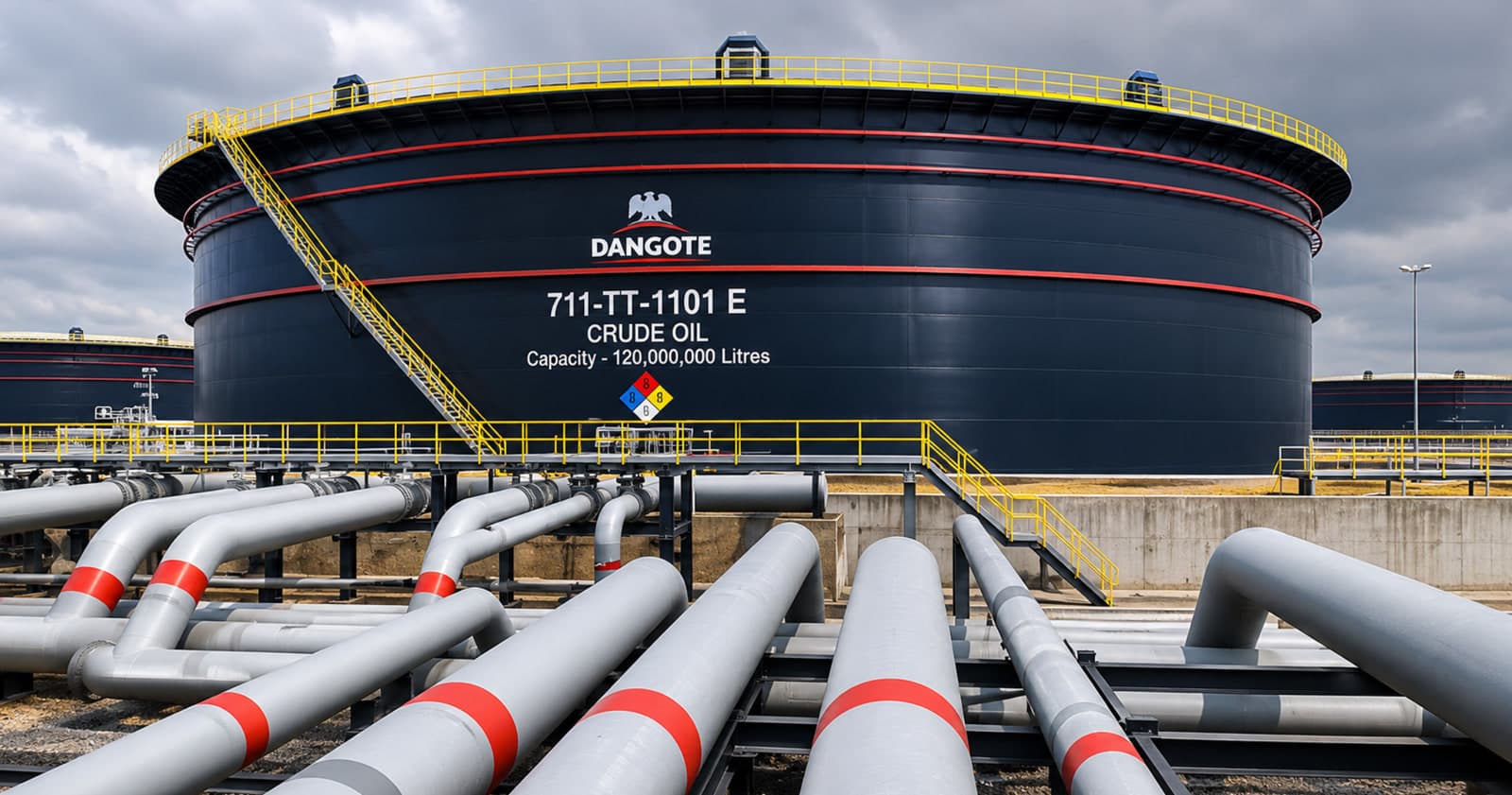
Dangote Petroleum Refinery has placed equipment orders worth $38.94 million with two Indian engineering companies as it prepares to increase production capacity at its Lagos facility.
AI-generated summary. It can miss nuance — read the full story above for the complete picture.
Dangote Petroleum Refinery has placed equipment orders worth $38.94 million with two Indian engineering companies as it prepares to increase production capacity at its Lagos facility. Kirloskar Brothers Limited will supply equipment under a $17.60 million contract, while Kirloskar Ebara Pumps Limited has secured an order worth $21.34 million.
The contracts cover specialised pumping systems used to move crude oil, refined products and other liquids around the refinery. These systems are part of the equipment needed to keep processing and storage operations running. Dangote is planning to increase the refinery's capacity from 650,000 barrels per day to 1.4 million barrels per day. The latest orders form part of the equipment requirements linked to its operations and expansion.
Where local suppliers fit in
“Smaller engineering businesses may find it difficult to supply specialised refinery machinery, but they do not necessarily need to manufacture the main equipment to take part in the supply chain.”
The contracts have gone to two Indian manufacturers, but the work around a refinery of this size extends beyond the supply of major equipment. There is demand for transport, installation support, electrical work, fabrication, repairs and maintenance. Nigerian companies that can meet the required technical and procurement standards could compete for some of these services.
Smaller engineering businesses may find it difficult to supply specialised refinery machinery, but they do not necessarily need to manufacture the main equipment to take part in the supply chain. A workshop with the right skills could handle certain fabrication or repair jobs. Local transport operators and industrial suppliers could also serve contractors working on the facility.
The difficulty for smaller businesses is getting access to these opportunities and meeting the standards expected by a major industrial operation. Working as a subcontractor to an established engineering company may be one way into the supply chain.
A large equipment bill
The $38.94 million order gives an indication of the cost of equipping and expanding a refinery of this scale. It also shows that international manufacturers remain important suppliers of specialised equipment to Nigeria's oil and gas sector. For local businesses, the opportunity lies in the work that supports the installation and day to day operation of that equipment. Whether they secure a meaningful share will depend on their ability to meet the refinery's requirements and get onto its supplier lists.