Cell C successfully completes Network Migration
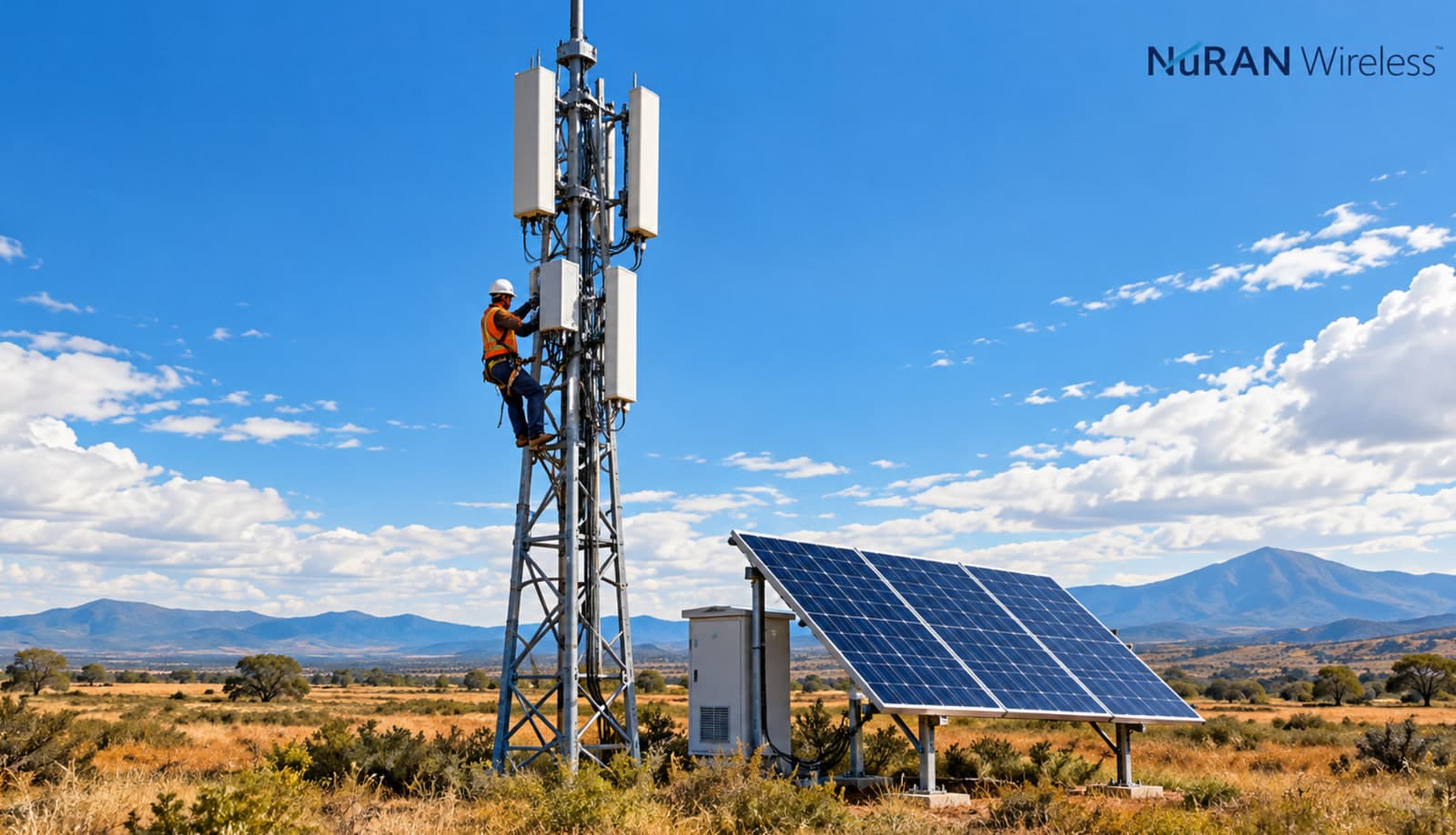
Cell C has revealed that it has successfully completed its network migration ahead of schedule, and it is now working with access to circa 14 000 towers countrywide, with more than 12 000 sites 4G/LTE enabled. The telecommunications company reiterated how much of a win this is for its customers as they will be benefitting

Cell-C-successfully-completes-Network-Migration

Cell C has revealed that it has successfully completed its network migration ahead of schedule, and it is now working with access to circa 14 000 towers countrywide, with more than 12 000 sites 4G/LTE enabled.
The telecommunications company reiterated how much of a win this is for its customers as they will be benefitting from the expanded national coverage, better quality connection, fewer dropped calls and overall, a more stable network during loadshedding as the partner network is investing in back-up power.
Chief Technology Officer for Cell C, Schalk Visser said: “We have effectively increased our network access close to three-fold in less than three years, from 5 500 towers to 14 000. We are the first mobile operator to think about our network strategy differently and instead of trying to build out an expensive and unsustainable network we chose to become a buyer of network services.”
This pioneering approach was enabled by technology advances. The company deactivated its own physical tower and radio access network (RAN) and seamlessly migrated prepaid and Mobile Virtual Network Operator (MVNO) customers to a virtualised RAN enabled by a network infrastructure partner. It uses its own spectrum and is still fully in control of the customer experience.
Cell C also mentioned that this innovation has changed the telecommunications landscape, especially now that the market is made up of those that own infrastructure and those that buy Infrastructure as a Service.
In order to roll out a physical radio access network in the traditional mobile network operator model, Cell C would have had to invest billions on a yearly basis.
Visser mentioned that the company can now focus its investment and energies into innovating products and services that will add value to customers, knowing that it can operate from a competitive platform that offers the same quality connectivity to all South Africans.