Bisedge gets €10 million loan to expand its electric forklift fleet
A warehouse that handles hundreds of pallets a day cannot afford to have its forklifts sitting idle. But buying the machines, servicing them and keeping spare parts on hand can be costly, especially for businesses trying to manage cash flow.
Bisedge
A warehouse that handles hundreds of pallets a day cannot afford to have its forklifts sitting idle. But buying the machines, servicing them and keeping spare parts on hand can be costly, especially for businesses trying to manage cash flow.
AI-generated summary. It can miss nuance — read the full story above for the complete picture.
A warehouse that handles hundreds of pallets a day cannot afford to have its forklifts sitting idle. But buying the machines, servicing them and keeping spare parts on hand can be costly, especially for businesses trying to manage cash flow. Bisedge wants to take some of that responsibility off its customers. The African logistics company has secured a €10 million loan from Finnish development financier Finnfund to expand its electric forklift operations in Nigeria, Kenya and Tanzania. The announcement was made on 14 October 2026.
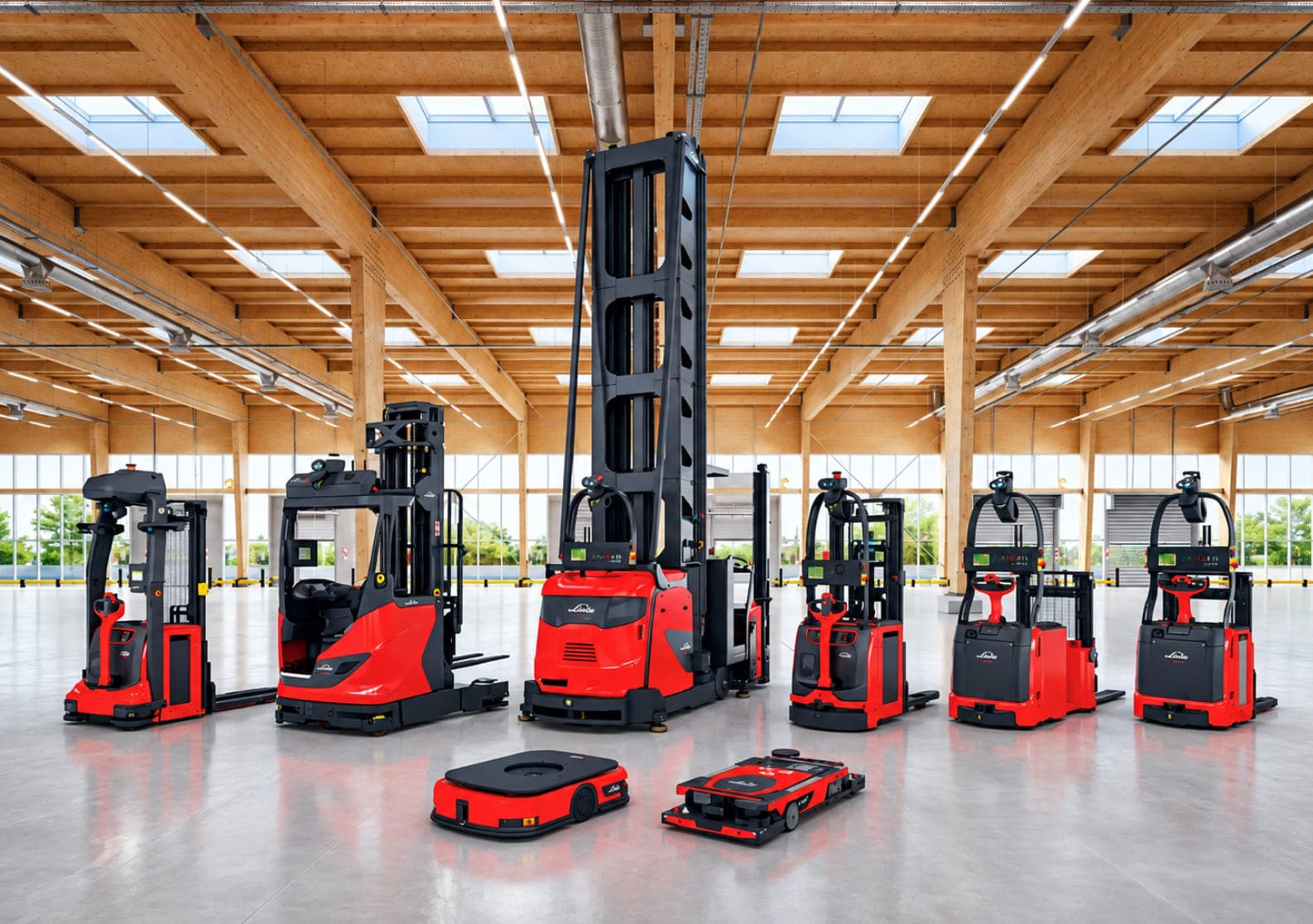
The company supplies forklifts and other equipment used to move goods inside factories, warehouses and distribution centres. It also provides maintenance and, under some agreements, trained operators.
Instead of buying the machines, customers pay for the equipment and services over an agreed period. Bisedge manages the fleet, while the customer uses it to keep goods moving through its operation. For a business that needs several forklifts, avoiding a large upfront purchase can make a difference. But the monthly cost still has to fit the budget, and the agreement needs to cover what happens when a machine breaks down.
“For a warehouse, a forklift that is unavailable during a busy shift can cost more than the repair itself.”
Why the financing matters
Electric forklifts are more expensive to introduce when a company has to buy the equipment and arrange its own maintenance. Bisedge's approach puts the equipment and servicing under one arrangement, allowing customers to spread the cost over time. The Finnfund loan gives Bisedge more money to buy and deploy machines as it takes on customers in its target markets. It follows a separate $20 million equity investment from Metier Private Equity.
Finnfund says around 95% of Bisedge's existing fleet is electric. The company has more than 1,350 employees and operates across parts of sub-Saharan Africa and the Gulf region.
Electric forklifts still need the right setup
Moving away from diesel has practical benefits, particularly inside warehouses where exhaust fumes can affect working conditions. But electric equipment also needs reliable charging facilities, batteries suited to the work and technicians who can fix faults.
A warehouse operating long shifts cannot afford to have machines waiting for batteries to charge. Operators need to plan charging around the work schedule and have access to replacement equipment when something goes wrong. These details matter when comparing electric forklifts with diesel-powered alternatives. The purchase price or rental fee is only part of the calculation. Businesses also need to consider energy costs, maintenance, equipment availability and how much work is lost when a machine is out of service.
Bisedge's service model puts much of that equipment management in the hands of the provider. Whether it saves a customer money will depend on the size of its fleet, how heavily the machines are used and the terms of the contract.
Where local suppliers could fit in
As Bisedge expands in Nigeria, Kenya and Tanzania, it will need to support more equipment and customers. That could create work in maintenance, technical training, spare parts and equipment servicing. However, the company has not announced specific contracts for small businesses linked to this loan. Local suppliers would need to establish whether Bisedge uses outside service providers and what technical standards they must meet.
For warehouse operators, the more immediate question is whether the service offers better value than buying and maintaining their own machines. A business with steady demand may prefer a fixed monthly arrangement, while another with seasonal workloads may need more flexibility. The loan gives Bisedge funding to expand its fleet. Its success will depend on finding customers whose operations suit the model and keeping the equipment available when those customers need it.