Asia is sending more diesel to Africa as Middle East supplies fall
Asia is sending more diesel to Africa as Middle East supplies fall — what it actually costs, who it squeezes out, and the moves an early-stage founder can borrow this quarter.
Asia-Diesel Pic
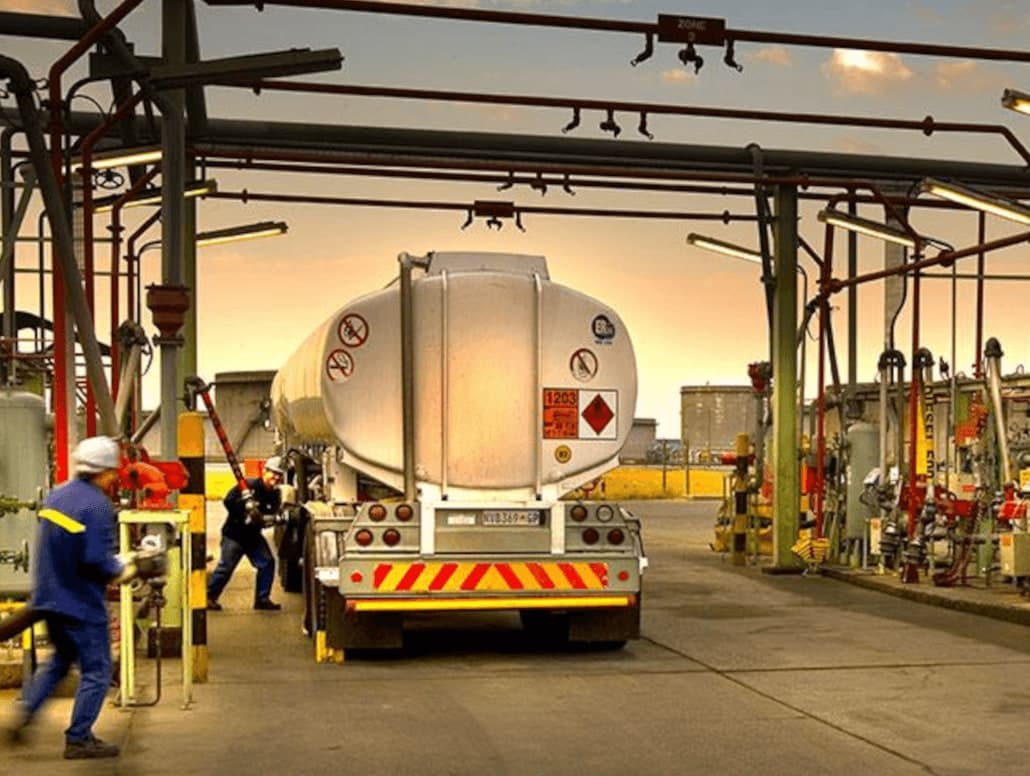
Africa is getting more of its diesel from Asia as supplies from the Middle East fall. Between 1.8 million and 2 million tonnes of diesel are expected to be shipped from Asia to Africa in August, according to data from Kpler and Vortexa reviewed by Reuters. That would be the highest monthly volume in at least four and a half years. Shipments from the Middle East have gone in the opposite direction. Between 600,000 and 800,000 tonnes of diesel are expected to reach Africa in August, which would be the lowest level in almost nine years.
AI-generated summary. It can miss nuance — read the full story above for the complete picture.
Africa is getting more of its diesel from Asia as supplies from the Middle East fall. Between 1.8 million and 2 million tonnes of diesel are expected to be shipped from Asia to Africa in August, according to Kpler and Vortexa data reviewed by Reuters. That would be the highest monthly volume in at least four and a half years. Shipments from the Middle East have gone in the opposite direction. Between 600,000 and 800,000 tonnes of diesel are expected to reach Africa in August. That would be the lowest level in almost nine years.
The change follows disruption to fuel shipments from the Middle East. It is linked to the conflict involving Iran and security problems around the Red Sea and Strait of Hormuz. Saudi Arabia has traditionally been an important source of diesel for African markets. Around 50% of Africa's diesel imports came from the Middle East last year, according to Kpler data. About 40% of those supplies came from Saudi Arabia. That supply has fallen sharply. Shipments from Saudi Aramco's Jazan refinery to Africa dropped from 163,000 tonnes in July to zero in August.
India and China send more fuel
Africa could receive up to 2 million tonnes of diesel from Asia in August as Middle Eastern supplies fall to a nine-year low.
India is one of the Asian suppliers making up some of the shortfall. Asian refiners are sending more diesel to Africa, despite the longer journey from Asia. Better refining margins have also helped. Asian diesel refining margins averaged about $66 a barrel in August. That was up from $61 in July. China is also sending more refined fuel into export markets. The longer supply route does not automatically mean African businesses will pay more for diesel. Fuel prices depend on several factors. These include international diesel prices, shipping costs, exchange rates and local taxes and levies. But a longer route can add to the cost of getting fuel to market. That matters for businesses that use diesel every day.
What it means for small businesses
For many SMEs, diesel is not just another fuel expense. A delivery company needs it to move goods. A construction business may need it for equipment and generators. Farmers use diesel for machinery and transport. Smaller manufacturers may also rely on diesel generators when electricity supply is unreliable. A sustained increase in diesel costs can therefore affect a business quite quickly. A transport operator may spend more on every delivery. A wholesaler moving stock between cities could face higher distribution costs. A small manufacturer using a generator may have less money left for wages, stock or expansion if fuel takes up a larger share of its monthly expenses. South Africa's own fuel pricing shows how international supply problems can reach businesses.
In August, the government said diesel prices had increased because of higher international diesel prices and supply shortages. It linked the shortages to the Russia-Ukraine conflict and reduced refinery output in the Middle East. The effect is not limited to companies that buy diesel directly. Higher transport costs can eventually show up in the price of food, building materials and manufactured goods. Other products that have to be moved by road can also become more expensive. For smaller businesses, that can be difficult to absorb. Large companies may have longer-term supply contracts or more room to negotiate with suppliers. A small business running a few delivery vehicles or a single generator has fewer options when fuel costs rise.
Africa is using a different supply route
The increase in Asian diesel shipments does not mean the Middle East has permanently lost its position in Africa's fuel market. If shipping conditions improve, some of the trade could move back. Middle Eastern refineries returning to normal output could also bring some African buyers back to their usual suppliers. For now, Asian suppliers are taking a much larger share. The difference in the August figures is substantial.
Africa could receive as much as 2 million tonnes of diesel from Asia. Middle Eastern shipments could fall to as little as 600,000 tonnes. The longer Asian supply route could remain important while shipping through the Middle East is disrupted. For African SMEs, the issue is less about where the diesel comes from and more about what it costs by the time it reaches them. If fuel and transport costs remain high, smaller businesses will have to decide whether to absorb the increase or raise their prices. Some may have to cut costs elsewhere. This is likely to be felt most by businesses that operate on tight margins. Companies that depend heavily on transport, machinery or diesel-powered equipment will be particularly exposed.