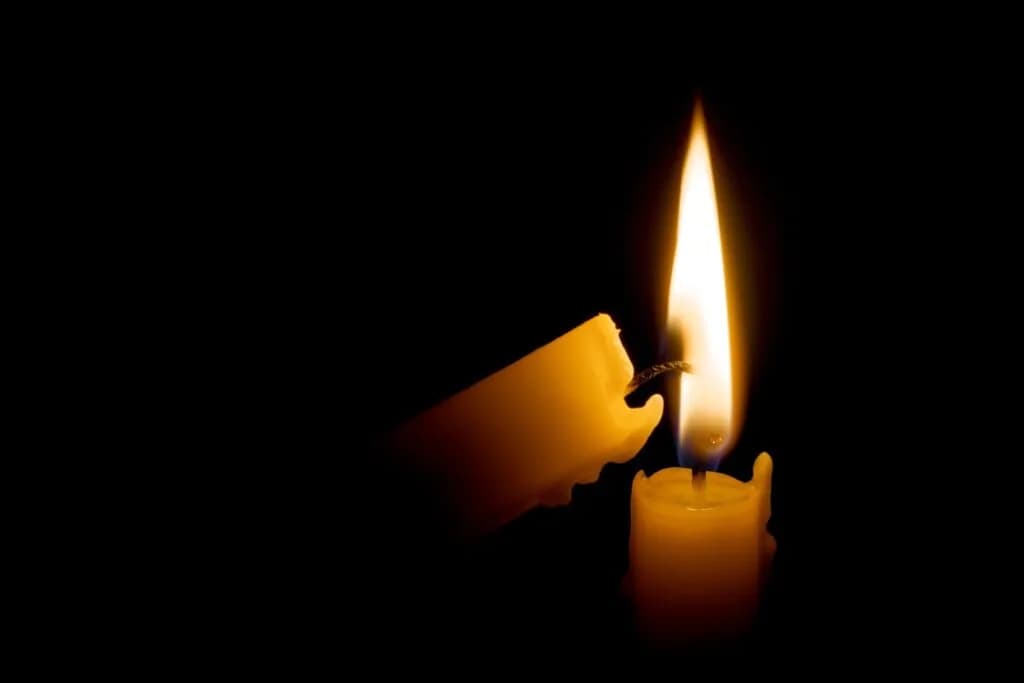
American Embassy in South Africa issued a warning to stock up on food and water
The US government has advised its nationals in South Africa to stockpile three days' worth of supplies, which should include non-perishable food, three litres of drinking water each day, and medicine and first aid supplies. It also predicts that load-shedding would persist through 2023. The security notice was issued by the US embassy shortly after
American Embassy in South Africa issued a warning to stock up on food and water
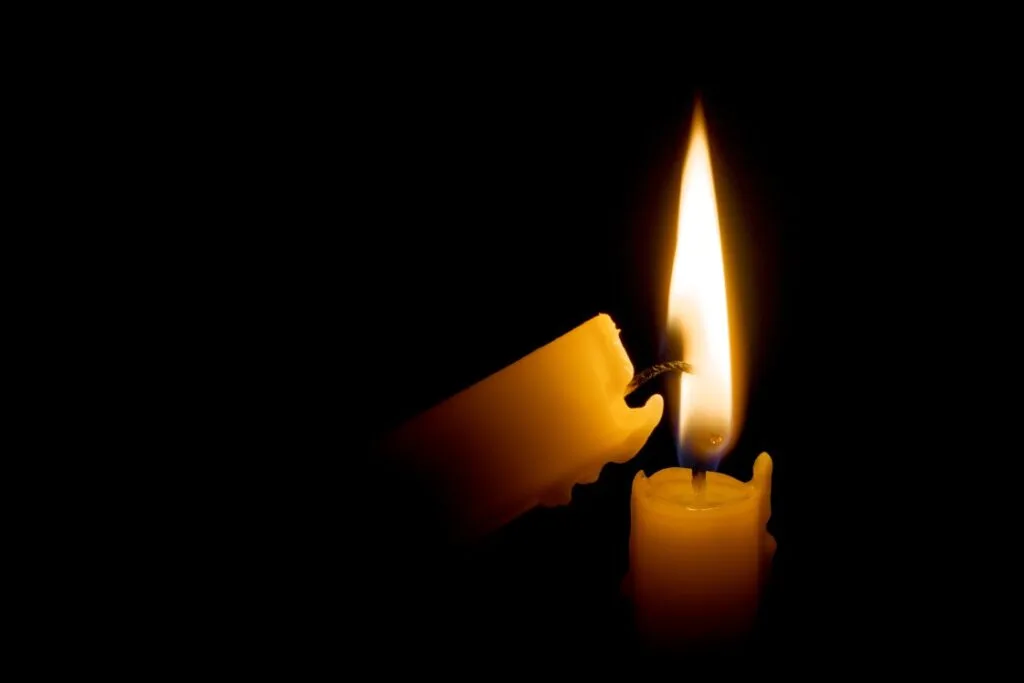
The US government has advised its nationals in South Africa to stockpile three days’ worth of supplies, which should include non-perishable food, three litres of drinking water each day, and medicine and first aid supplies.
It also predicts that load-shedding would persist through 2023.
The security notice was issued by the US embassy shortly after South Africa declared a national state of calamity due to its energy problems.
On February 9, President Cyril Ramaphosa said that his administration has declared the catastrophe. The US government issued a notice on February 15th.
“The government of South Africa has declared a ‘State of Disaster’ in response to ongoing power shortages,” the embassy stated.
“The country’s energy crisis includes sustained load-shedding (controlled rolling blackouts), at varying intervals and is expected to extend beyond 2023.”
According to the statement, load-shedding causes localised power disruptions of up to six hours or more every day around the country.
“These planned electricity outages negatively affect private residences, businesses, municipal lighting, traffic lights, and hotels,” the embassy said.
“Rolling blackouts can also impact water availability and safety, internet connectivity, cell phone network coverage, fuel pumps (and therefore fuel availability), residential security features, and the food supply.”
It cautioned that power interruptions might lead to an upsurge in criminality.
“For example, traffic jams when lights are out provide opportunities for smash-and-grab crime, and residences can be targeted when lights are out, and security systems are not functioning,” the embassy stated.
“Further, ongoing conditions have led to an increase in protests and demonstrations, and in some cases civil unrest, throughout the country.”
The embassy warned American nationals travelling or residing in South Africa that the country is under a level 2 travel alert, which advises them to exercise greater vigilance due to crime and civic upheaval.
It also recommended residents to be prepared for crises.
Besides from storing food and water, the embassy provided the following advice:
- Have a communications plan for when there is no or limited power (landline locations, external cell phone battery, additional charging cords, hard copy of important numbers, etc.)
- Ensure you have necessary medicine, personal hygiene supplies, eyeglasses
- Memorise family members’ phone numbers
- Identify safe areas around the city; these could include hotels, hospitals, churches, or police stations that may not lose power
- Store flashlights, batteries, radio, and basic tools in a safe location where all family members have easy access
The embassy’s warning comes after the US government warned companies and financial institutions in South Africa to prepare for a catastrophic grid meltdown.
At a meeting hosted by the US Overseas Security Advisory Council, a US Government minerals and energy specialist focused on South Africa talked to stakeholders.
Although a blackout remains remote, they claim the likelihood has grown owing to Eskom’s coal fleet’s unreliability.
The repercussions of a total blackout would be disastrous, making it worthwhile to plan for even if the risk is minimal.