
All New Xiaomi 13 Ultra, A Professional Photography Tool in a Smartphone
Xiaomi has released its latest flagship smartphone, the Xiaomi 13 Ultra, which features revolutionary camera technology. Four sensors are included in the camera: a 12mm super-wide-angle lens, a 23mm primary lens, a 75mm telephoto lens, and a 120mm super-telephoto lens. The main camera employs a Sony IMX989 CMOS sensor with variable aperture, while the other
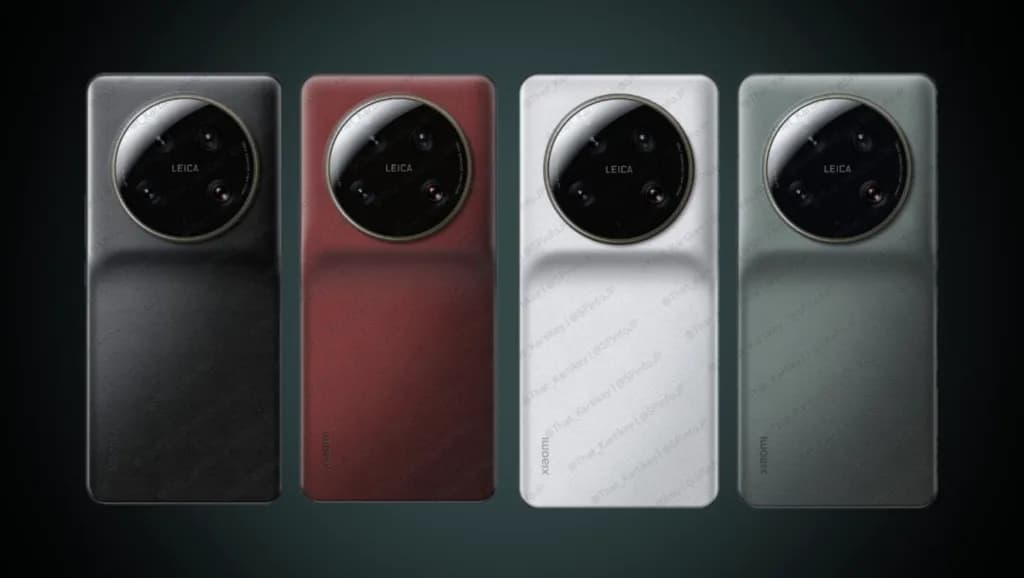
All New Xiaomi 13 Ultra, A Professional Photography Tool in a Smartphone
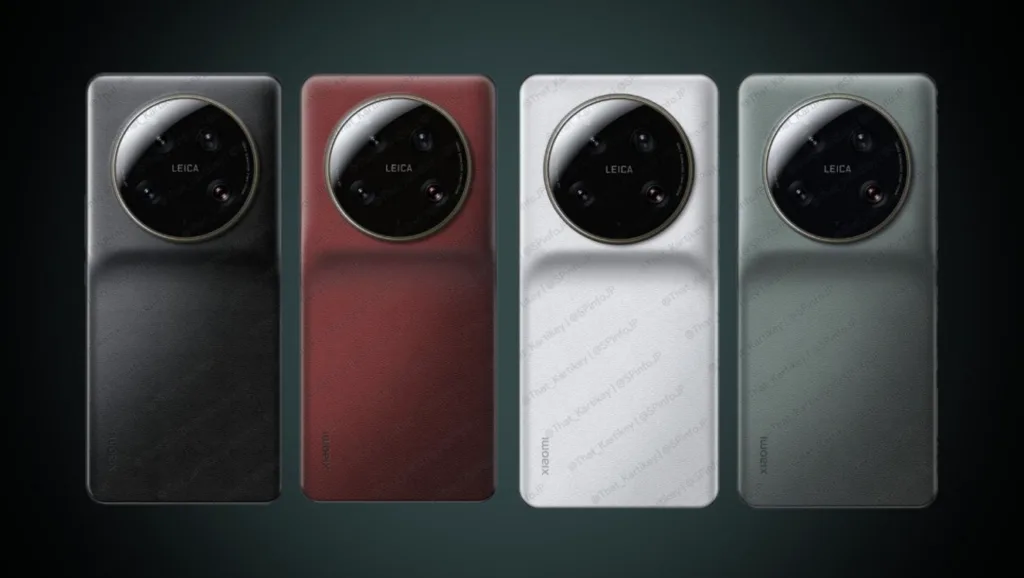
Xiaomi has released its latest flagship smartphone, the Xiaomi 13 Ultra, which features revolutionary camera technology. Four sensors are included in the camera: a 12mm super-wide-angle lens, a 23mm primary lens, a 75mm telephoto lens, and a 120mm super-telephoto lens. The main camera employs a Sony IMX989 CMOS sensor with variable aperture, while the other three lenses employ the Sony IMX858 sensor. When compared to the previous generation, these sensors increased light capture by 14%-43%, resulting in improved light-sensing capabilities. The camera also has a digital zoom that can be used up to 120 times and an ISZ extended focal length function that offers six focal lengths with a zoom range of 12mm to 240mm.
Xiaomi collaborated with Leica on the new generation Summicron lens used in the camera of the Xiaomi 13 Ultra. The 13 Ultra is a professional photography tool, not just a camera phone, according to Leica brand ambassador and renowned street photographer Matt Stuart. The back of the phone is designed to resemble a camera, similar to the legendary Leica M series.
The Xiaomi 13 Ultra also has second-generation Nano Skin technology, which is dirt and peeling-resistant. The integrated metal frame body increases overall bending strength by 4.4 times and is dust and water-resistant to IP68 standards. The phone has a curved 2K OLED screen with a peak brightness of 2600 nits that uses a new generation of C7 phosphor material. The screen also has an LTPO dynamic refresh rate and a 1-120Hz adaptive refresh rate, outperforming the industry standard and even outperforming the Samsung E6 in terms of optimization. Furthermore, the Xiaomi 13 Ultra’s screen comes standard with a professional primary colour display mode, which provides more accurate colour reproduction, a sharper image, and a better viewing experience. For calibration, Xiaomi employs the most recent CIE2015 colour space, achieving high colour consistency with Apple’s Pro Display XDR display. In terms of eye protection, the Xiaomi 13 Ultra also supports DC dimming and PWM dimming at 1920 Hz.
The Xiaomi 13 Ultra is powered by Qualcomm’s second-generation Snapdragon 8 mobile platform, and it comes with a 5000mAh battery that supports 90W wired charging and 50W wireless charging. It also has Suge P2/G1 chips, which improve battery life and overall performance, as well as being compatible with the emergency mode for extended battery life. Xiaomi has introduced a new heat dissipation technology called an annular cooling pump for heat dissipation, which has a 300% improvement in heat dissipation when compared to standard VC. In terms of gaming, photography, and charging, the Xiaomi 13 Ultra outperforms the iPhone 14 Pro Max.
Xiaomi has dropped USB 2.0, which was the most vexing problem for customers with the previous version of the Xiaomi 12S Ultra. The Xiaomi 13 Ultra is available in three different colours: olive green, black, and white. The 8GB model has been discontinued, but the starting price of $872 remains unchanged. The 12+256GB model is priced at $872, the 16+512GB model is priced at $945, and the 16+1TB model is priced at $1061. In addition, Xiaomi has released a pro photography package for $116, which includes filter adapter rings, wireless camera handles, and other accessories.