Afreximbank and DBSA set aside $20m to get Southern African projects ready for funding
Afreximbank and the Development Bank of Southern Africa (DBSA) have agreed to put up to $20 million into the early stages of infrastructure and industrial projects in South Africa and the wider Southern African region.
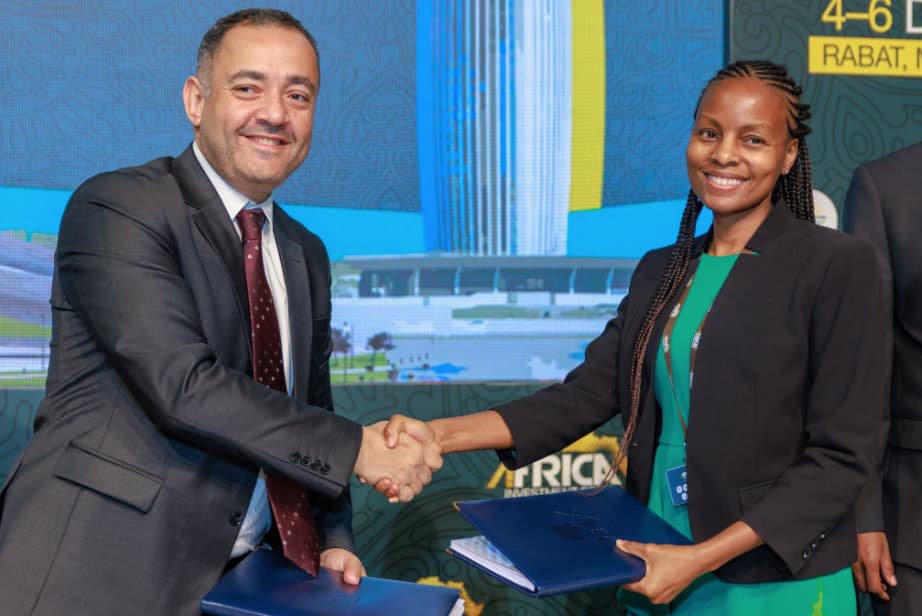
Afreximbank and DBSA
Afreximbank and the Development Bank of Southern Africa (DBSA) have agreed to put up to $20 million into the early stages of infrastructure and industrial projects in South Africa and the wider Southern African region. The two institutions will each contribute up to $10 million through a new Joint Project Preparation Facility.
AI-generated summary. It can miss nuance — read the full story above for the complete picture.
Afreximbank and the Development Bank of Southern Africa (DBSA) have agreed to put up to $20 million into the early stages of infrastructure and industrial projects in South Africa and the wider Southern African region. The two institutions will each contribute up to $10 million through a new Joint Project Preparation Facility.
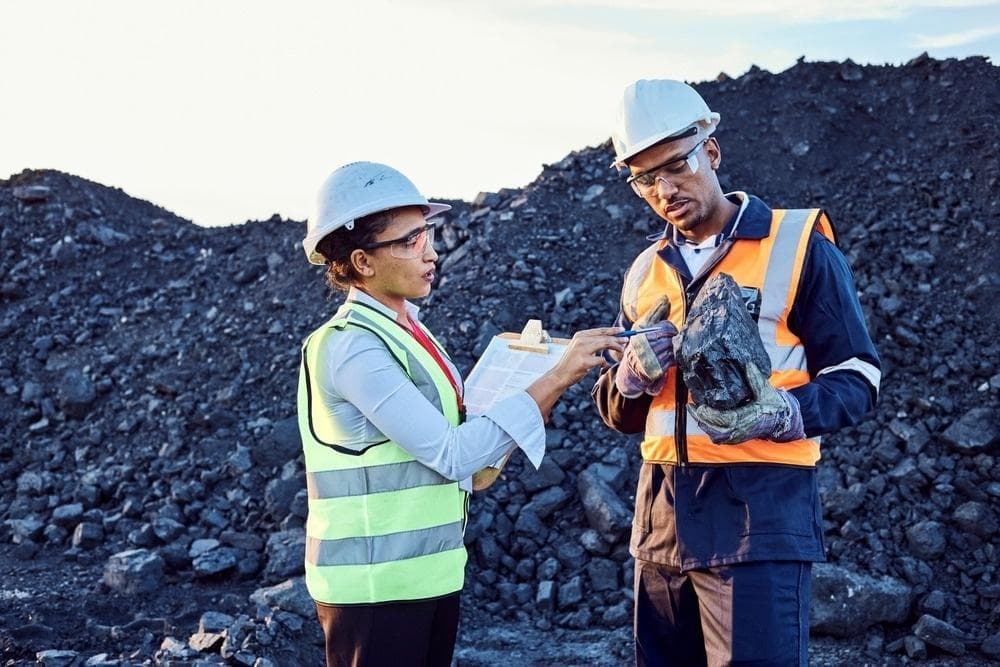
It is money for the work that usually happens before construction starts. That includes technical studies, financial assessments and legal work needed to establish whether a proposed project can attract funding.
It is not construction money
“The $20 million will pay for the work needed before the much larger investment can happen.”
The distinction is important. The facility will not finance the building of a new railway, power plant or processing facility. Instead, it will help take selected projects from the planning stage to a point where investors and lenders can examine them. Afreximbank and DBSA will choose the projects together.
Those projects can later approach the two institutions for financing. They can also seek money from commercial banks, development finance institutions or private investors. Getting the preparation funding does not guarantee that follow-on finance will be approved. Each project will still have to go through its own assessment.
Energy and transport are among the targets
The facility will look at projects in several areas, including:
- Power and energy
- Energy-transition projects
- Transport and logistics
- ICT
- Strategic minerals processing
The initial focus is South Africa and Southern Africa, although the agreement allows the two institutions to consider projects elsewhere in Africa. For a transport project, for example, the money could help pay for the studies and technical work needed before a lender can properly assess the proposal. The same applies to an energy or minerals project. Having an idea and having a project that a bank can finance are two different things.
The preparation stage can take years
DBSA says infrastructure projects can face an eight- to nine-year gap between identification and implementation. Its project preparation work can include feasibility studies, technical advice, procurement support and finding the financing structure for a project. That helps explain why the two banks are putting money into this part of the process. The $20 million is small compared with what major infrastructure projects can eventually cost. Its purpose is to pay for some of the work needed to get those larger investments to the point where financing can be considered.
South Africa's Afreximbank relationship
The agreement follows South Africa joining the Afreximbank Establishment Agreement in February 2026. South Africa became the bank's 54th member, while Afreximbank announced an $8 billion country programme for the country. The new facility follows another agreement between Afreximbank and DBSA signed in February covering risk participation. The latest deal extends their cooperation into project preparation.
For businesses watching the infrastructure market, the next thing to look for is not the $20 million itself. It is which projects are selected, whether they complete the required studies and whether any of them go on to secure the much larger amounts needed to start construction.