75% IS COMPLETELY IMPOSSIBLE- DBSA CHAIR
Professor Mark Swilling, chair of the Development Bank of Southern Africa (DBSA), believes that the task set for Eskom’s new board of directors to achieve an energy availability factor (EAF) of 75% is impossible. Swilling, who is also a member of the National Planning Commission (NPC), stated at the Kgalema Motlanthe Foundation (KMF) forum on

75% IS COMPLETELY IMPOSSIBLE- DBSA CHAIR
Professor Mark Swilling, chair of the Development Bank of Southern Africa (DBSA), believes that the task set for Eskom’s new board of directors to achieve an energy availability factor (EAF) of 75% is impossible.
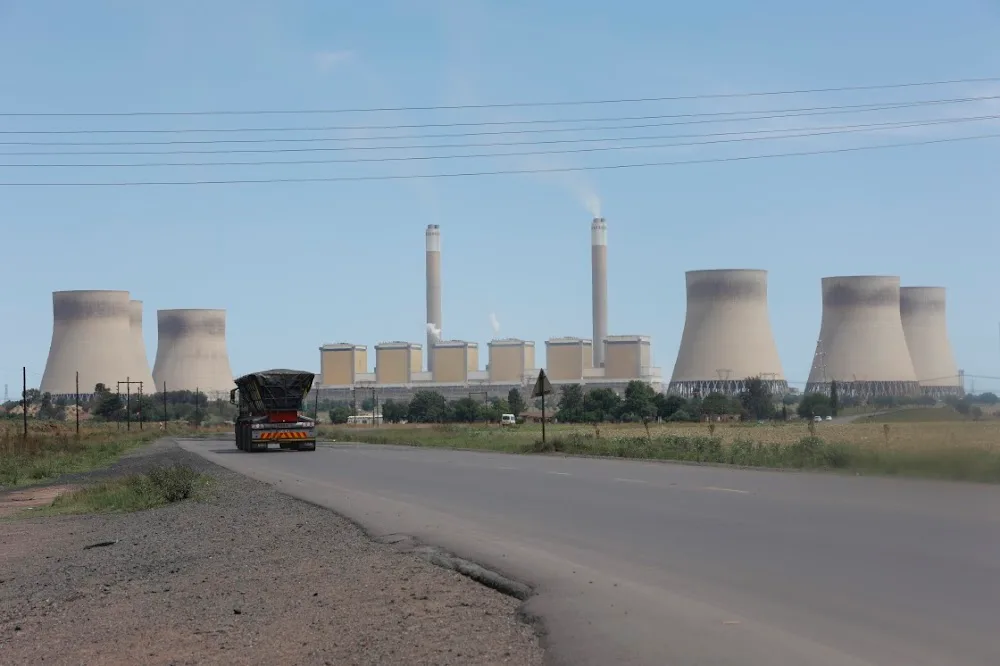
Swilling, who is also a member of the National Planning Commission (NPC), stated at the Kgalema Motlanthe Foundation (KMF) forum on inclusive growth in the Drakensberg on Saturday that half of SA’s 90 electricity generation units were out of service due to breakdown in September, resulting in stage 6 load shedding.
Said Swilling: “I have an uneasy feeling that some recent decisions in the appointment of the new board are inappropriate, and I’m referring specifically to the mandate to this board to achieve a 75% energy availability. In fact, our energy availability factor has been declining for about 17 years.”
Not only did the old power plants have low EAF, but so did some of the newer ones, according to Swilling . Tutuka power station, for example, was relatively new but had an EAF of 30%, making it Eskom’s most corrupt power station. When Swilling conducted his research in 2021, the brand-new power stations Medupi and Kusile were also underperforming at 54% and 73%, respectively.
While it is usually the CEO’s responsibility to update the board of directors on operations and available options, Swilling stated that in this case, the board was mandated to achieve a 75% EAF across the fleet without input from the executive.
“Now, to achieve that, you have to fix those 90 machines across the 15 power stations. The problem with these machines is that they are like aeroplanes. If you want to fix an aeroplane, you can’t do it while flying. You can only fix an aeroplane by landing it, putting it into a hangar and opening it up. That takes a long time.
“But that’s what you have to do. You have to take them off the grid in a systematic way, shut them down, repair them, rehabilitate them, and bring them back on to the grid. But you can’t do that because you would plunge SA into permanent load shedding.”
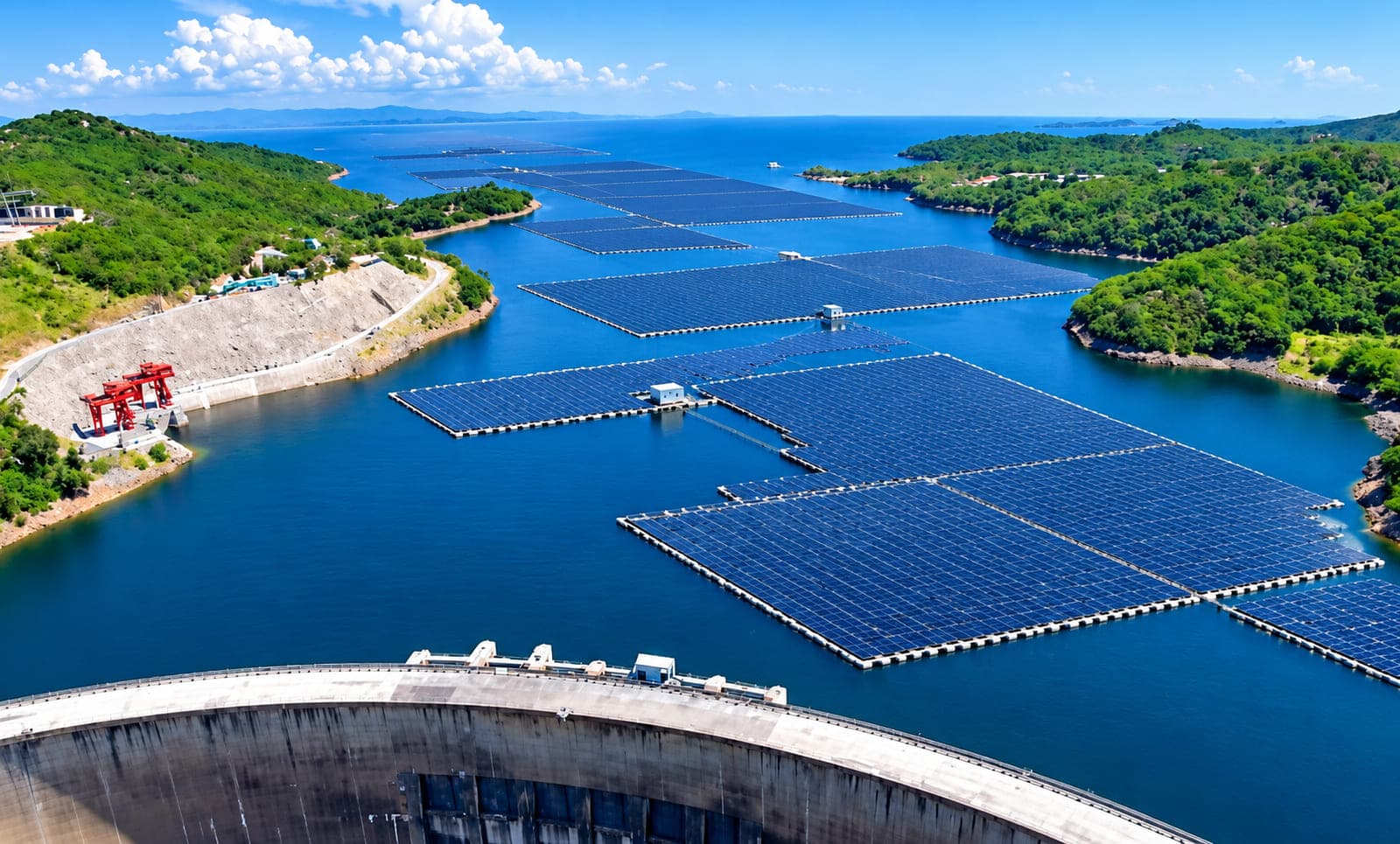
He claimed that the only solution was to build new generation to free up space for Eskom to shut down some machines, properly repair them, and re-connect them to the grid. Building renewable energy capacity is the quickest and most cost-effective option.
“No matter what you think of renewable energy and whether you’re a greenie or not, technologically, it’s an indisputable fact that the only generation capacity you can bring on-scale and on-budget in two years is renewable energy,” Swilling said.
The good news, according to Swilling, was that SA was starting to make the right decisions. He estimates that 16.9GW of new generation capacity is currently in the pipeline as a result of the government’s renewable energy independent power producers procurement program and private sector companies building their own generation capacity.
According to the National Planning Commission, adding 10GW of renewable energy generation capacity to the grid over the next two years could end load shedding.
Main Image: SowetanLive/Thulani Mbele