10 African Startups Named Semifinalists for Milken-Motsepe $1m Circular Economy Prize
Ten startups from five African countries have been selected as semifinalists for the Milken-Motsepe Prize in Circular Economy. The companies will share US$500,000 in unrestricted funding as they compete for the US$1 million grand prize.
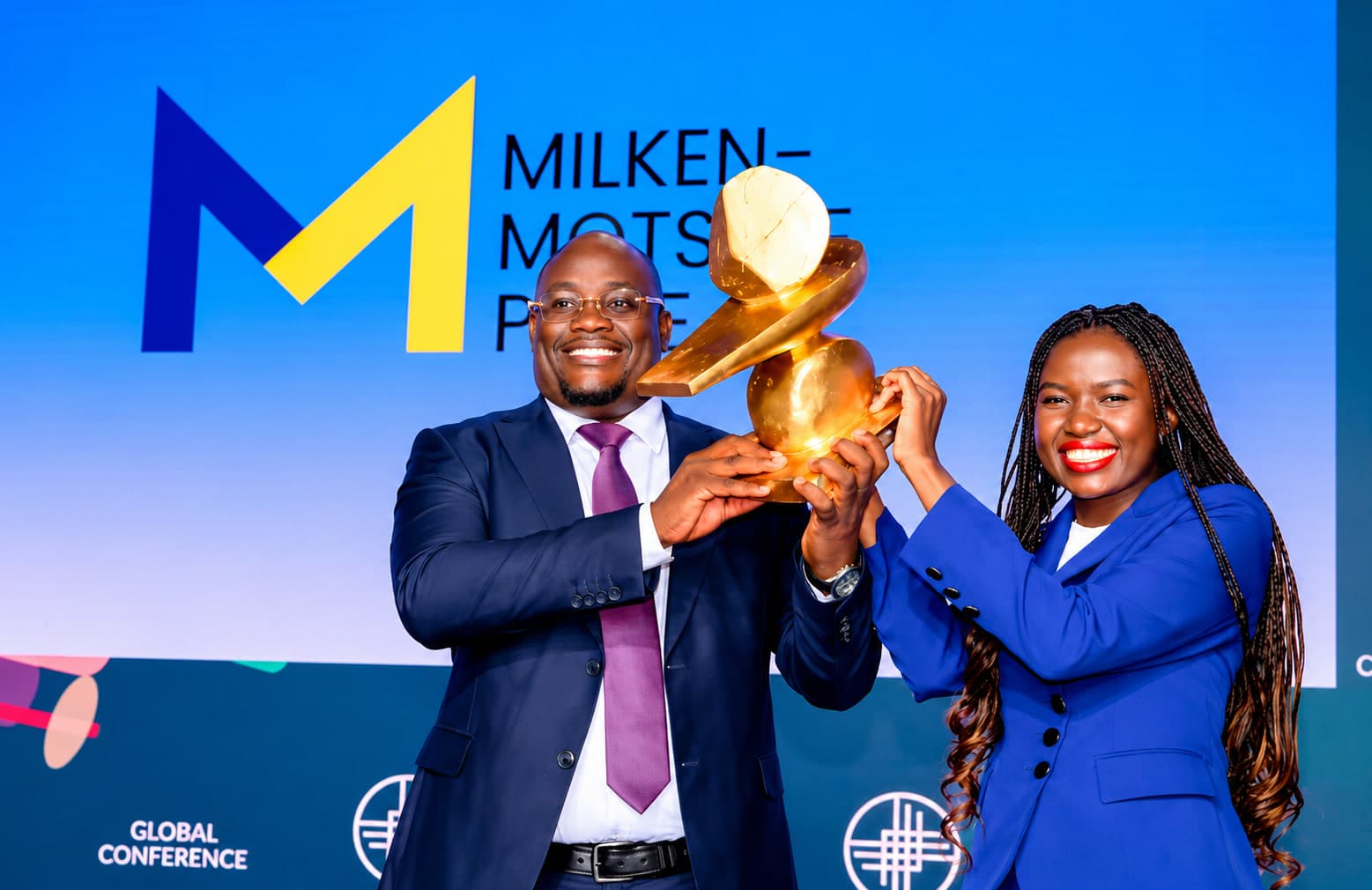
Award Presentation
Ten startups from five African countries have been selected as semifinalists for the Milken-Motsepe Prize in Circular Economy. The companies will share US$500,000 in unrestricted funding as they compete for the US$1 million grand prize.
The competition, run by the Milken Institute and the Motsepe Foundation, supports businesses using technology to reduce waste, recover materials and develop commercially viable circular economy solutions. The prize offers a total of US$2 million in non-dilutive funding, alongside mentorship, investor connections and international exposure.
Judges will narrow the semifinalists to five finalists based on commercial viability, scalability, workforce and social impact, and environmental performance. The grand prize winner will be announced at the 2027 Milken Institute Global Conference in Los Angeles. A US$250,000 prize is also available for the runner-up.
Kenya Leads the Semifinalists
Kenya has three companies on the list, each tackling waste recovery from a different angle.
Bottle Logistics East Africa uses digital reverse logistics and industrial glass recovery to turn discarded glass into returnable packaging and other products. Sanergy processes urban sanitation and organic waste into agricultural inputs, including organic fertiliser and biochar. Safi Organics converts rice husks and sugarcane bagasse into carbon-negative organic fertiliser.
Ethiopia, Tanzania and Egypt Each Have Two Entries
Ethiopia’s EKT Trade and Investment manufactures products from plastic waste, while Zafree produces tree-free pulp and paper for packaging using banana farm waste.
In Tanzania, Country Materials applies artificial intelligence to identify, trace and recover scrap metal for the steel industry. SafeSip processes plastic waste into pressure-rated resin and drip irrigation equipment.
Egypt’s two semifinalists are Papyrus Egypt and Triple M Electrical and Electronic Contracting. Papyrus Egypt turns banana plantation waste into biodegradable packaging and liquid fertiliser. Triple M extends the working life of electrical infrastructure by purifying transformer oil and refurbishing transformers, switchgear and panels.
Nigeria’s Cold Hubs completes the list. The company operates solar-powered cold rooms, refrigerated trucks and reusable crates for food markets and agricultural production areas, helping preserve perishable produce.
Prize Targets Commercial Circular Economy Solutions
Emily Musil, managing director at the Milken Institute, said Africa has a strong position from which to lead the transition towards a circular economy. She said the prize supports entrepreneurs who turn resource efficiency into competitive businesses that create jobs.
The semifinalists span packaging, agriculture, sanitation, metal recovery, electrical infrastructure and food preservation. Their next challenge is to demonstrate that their solutions can scale commercially while delivering measurable environmental and social benefits.