
Browse every article
1,122 articles · 1 filter applied · Reset filters

Startup Mondays: How to Track startup performance
A common pitfall for startup founders is prioritizing growth metrics that lack real business value. Website traffic, social media followers, and app downloads can create a sense of momentum, but they do not capture the underlying health of the company. Without clear, relevant performance indicators, decisions are driven by assumptions and not data. Tracking startup

Mental Health Support for African Founders Under Pressure
Building a company in Africa as a founder means your name is on the lease, the payroll, and the loan your cousin took because you “run a tech startup.” It means explaining to your board why growth stalled during a fuel crisis, then going home to explain to everyone why you still can’t pay yourself.
The Mining Wrap
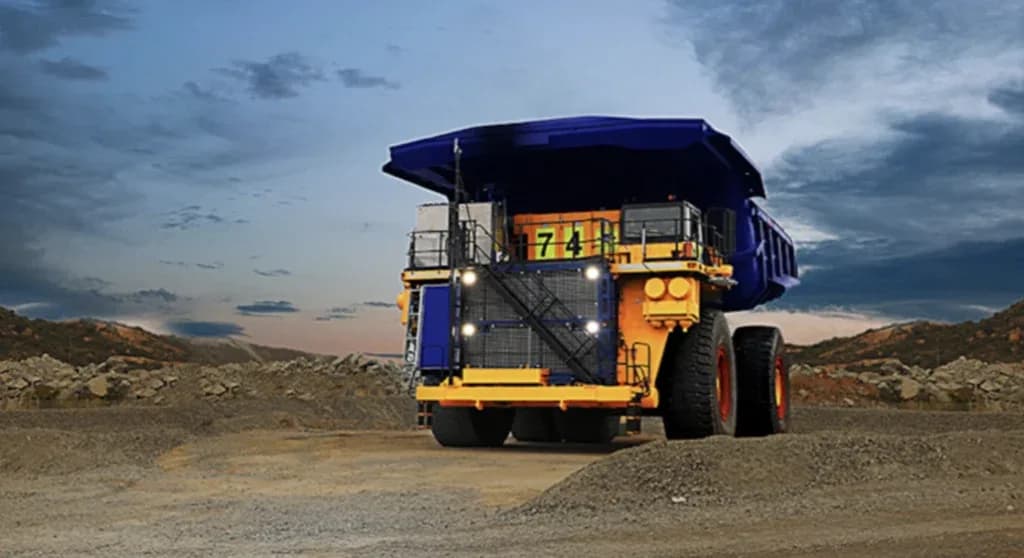
Several notable developments emerged across Africa's mining sector this week, spanning artificial intelligence, automation, equipment innovation, strategic acquisitions, and critical minerals development. From AI-powered exploration in Zambia to autonomous mining operations in Mali. Mining startup KoBold Metals continues advancing its Mingomba Copper Project in Zambia while expanding the use of artificial intelligence in mineral exploration.

Dangote Refinery Eyes Global Jet Fuel Markets as Supply Pressures Grow
Nigeria's Dangote Refinery is looking to expand aviation fuel exports as tightening global supplies create new opportunities in international markets.The 650,000-barrel-per-day refinery, located in Lekki near Lagos, is currently operating at full capacity and producing more kerosene than the domestic market can absorb. According to Chief Executive David Bird, the refinery has a sustained surplus

Microsoft Announces New Tools and Devices at Build 2026
Microsoft announced a series of new workplace tools, hardware products and healthcare initiatives at its Build developer conference in San Francisco as competition in the artificial intelligence market heats up. The company detailed a range of new products and projects, including software designed to handle routine tasks, a Nvidia-powered computer for developers, connected devices built

Canal+ Begins Trading on the JSE Following MultiChoice Acquisition
French media giant Canal+ has officially begun trading on the Johannesburg Stock Exchange (JSE), following the completion of its acquisition of MultiChoice and further expanding its footprint in Africa's media and entertainment sector. The secondary listing took effect on 3 June 2026 and fulfils one of the final commitments Canal+ made to South African regulators
Renewable Energy Startups Powering Off-Grid Communities
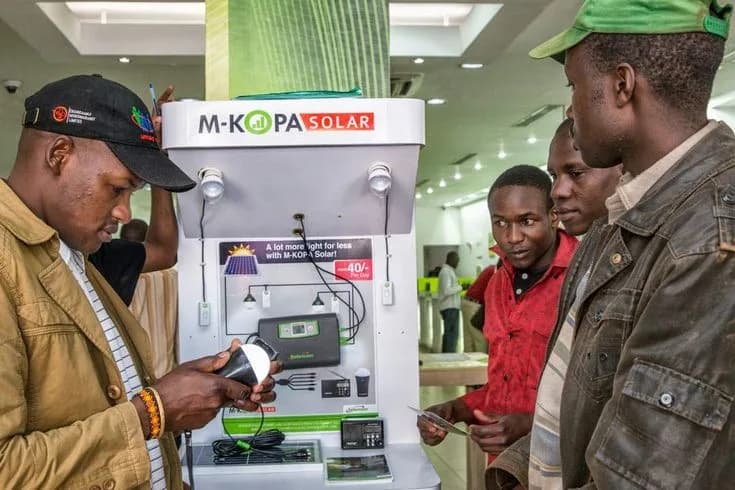
Reliable electricity and energy remains out of reach for millions of Africans, particularly in rural areas where extending national grids is slow, costly and difficult to justify economically. While governments continue to invest in electrification projects, a growing number of renewable energy startups are stepping into the gap, bringing power directly to communities that have

Startup Mondays : Pricing strategies for early-stage startups
The hardest part for new founders? Picking a price. Go too high and people walk away. Go too low and you’re running a charity. Price it too low and the business may struggle to cover costs and signal value to the market. Many startups spend months developing products without giving enough thought to pricing, only
NALA Lands $50 Million Backing for Cross-Border Payments Expansion
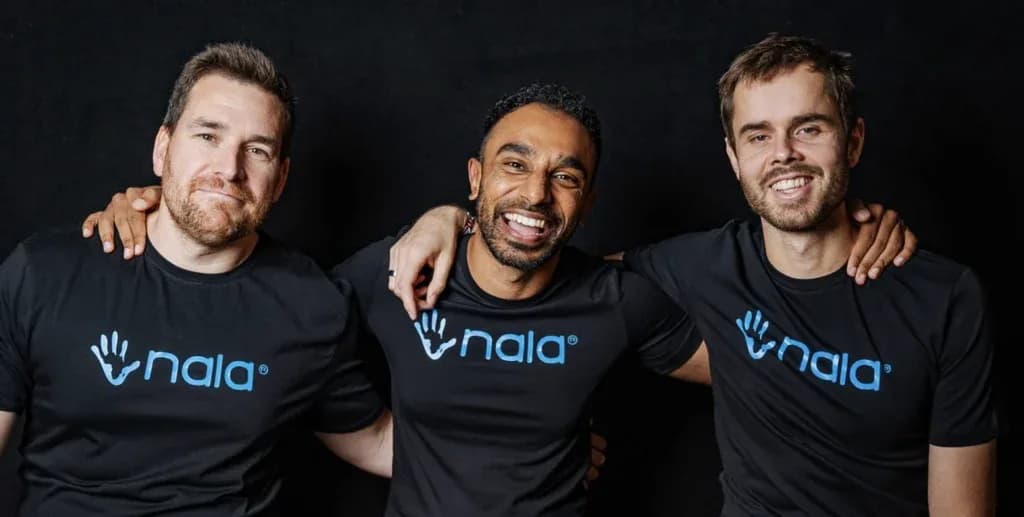
NALA has secured a $50 million financing facility from LIQUIDITY and MUFG-backed Mars Growth Capital, giving the Tanzanian-founded fintech access to additional capital as it expands its international payments network. The funding comes as businesses and consumers increasingly look for faster and more efficient ways to move money across borders. The financing facility will support

Founder Friday: Hopscotch
For many young South Africans, finding a job after graduation can feel like an uphill battle. Employers say they cannot find the right candidates, while graduates complain that opportunities are scarce. After nearly a decade working at the intersection of youth employment and international work programmes, Hopscotch founder Cara Halliday believes the problem is not
The Mining Wrap
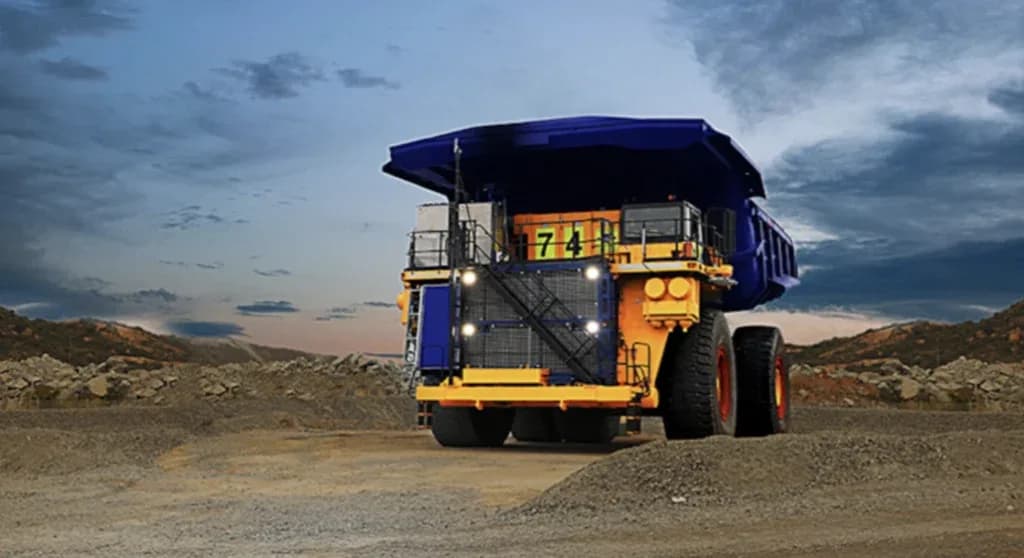
Several notable developments emerged across the mining sector this week, including advances in automation, critical minerals projects, equipment launches, and corporate dealmaking. The week's activity points to a sector increasingly focused on technology adoption, energy reliability, and securing future supplies of strategic minerals. TerraHaptix Expands Mining Drone Operations Nigerian robotics startup TerraHaptix is expanding its
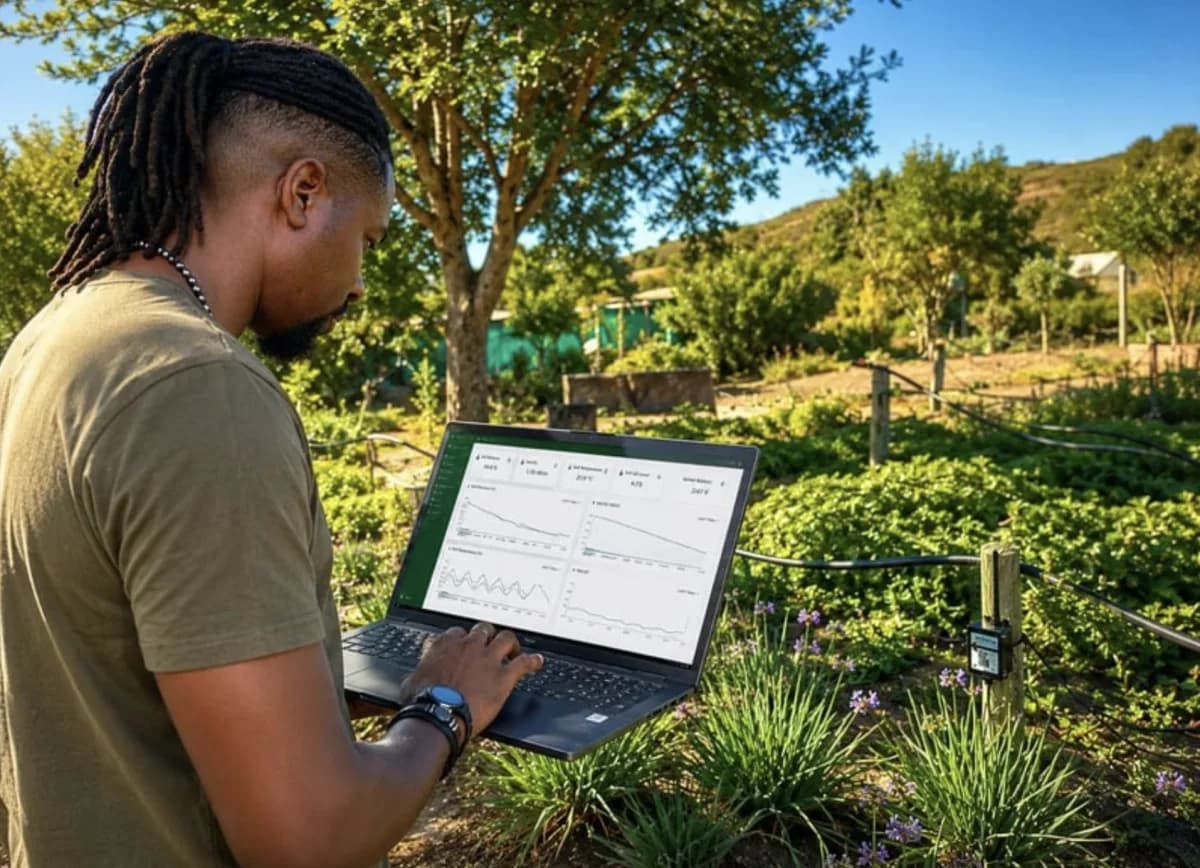
South African Startup MyBitSecure Launches Smart Farming Platform
South African agritech startup MyBitSecure has officially launched full deployment of its MBS SmartFarm Platform following a successful three-month pilot programme conducted in Stellenbosch. The platform was developed to support emerging farmers, cooperatives, and smart agriculture initiatives by combining Internet of Things (IoT) technology with cybersecurity tools designed for agricultural operations. MyBitSecure first drew attention

Zambia's ZCCM-IH Sells 55% Controlling Stake in Ndola Lime to China’s Wonderful Group
Zambia’s state-backed mining investment company, ZCCM Investments Holdings (ZCCM-IH), has agreed to sell a 55% stake in Ndola Lime Company, now operating as Limestone Resources Limited, to China’s Wonderful Group of Companies in a deal focused on restarting and expanding operations at the struggling plant. The agreement is intended to support efforts to restore production

Operating Between Rules: Compliance Challenges in Fragmented African Markets
Africa represents a US$3.4 trillion market opportunity, but for businesses scaling across the continent, compliance can feel less like a checklist and more like navigating 54 separate countries without a map. Regulations differ across markets, evolve at different speeds and can create new requirements every time a company crosses a border. Each new market brings
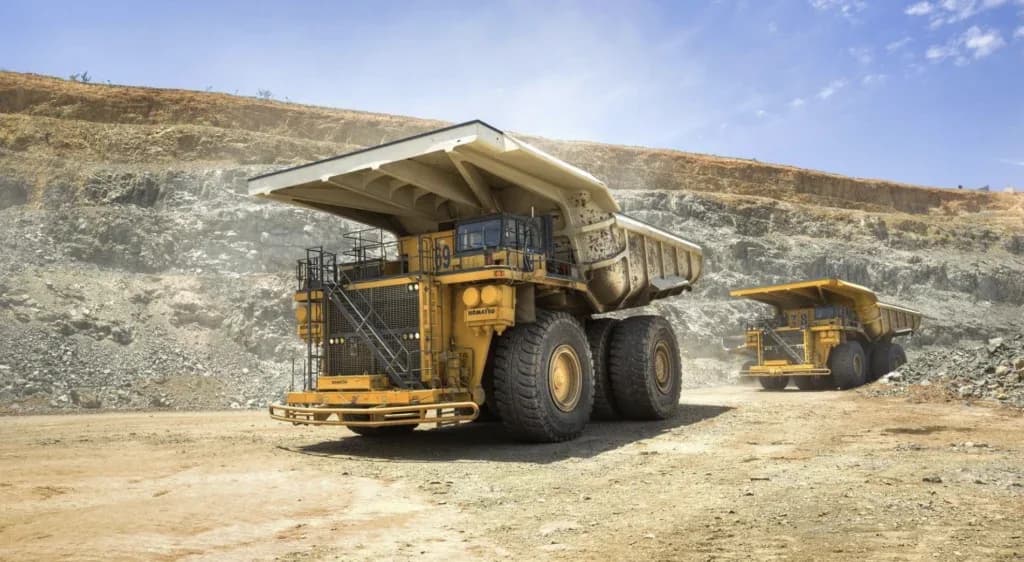
Ghana Moves to Tighten Oversight of Gold Fields' Tarkwa Lease Renewal
Ghana has indicated that the renewal of Gold Fields' mining lease for the Tarkwa mine will not be automatic when it expires in 2027, introducing greater scrutiny of long-term mining concessions. The Tarkwa operation is one of Gold Fields' most important assets, producing approximately 427,000 ounces of gold in 2025, with an estimated value of
Eni Makes Egypt's Largest Agiba Gas Discovery in Over 15 Years
Italian energy company Eni has announced a significant natural gas discovery in Egypt's Western Desert, providing a potential boost to the country's efforts to increase domestic energy production and reduce growing dependence on imported gas. Egypt's Ministry of Petroleum and Mineral Resources confirmed the discovery on May 21, describing it as the largest find made

Sustainability Reporting for African Startups Attracting ESG Investors
Sustainability reporting was once largely associated with multinational corporations, listed companies and heavily regulated industries. Today, sustainability reporting is relevant to a growing number of startups, including many of Africa's technology and innovation businesses. As investors place greater emphasis on environmental, social and governance (ESG) considerations, startups seeking external capital are finding that financial performance

Nigerian Startup Koolboks Deploys 10,000 Solar Refrigerators in Nigeria, Kenya and Uganda
Pan-African startup Koolboks has deployed more than 10,000 solar-powered refrigerators and freezers across Nigeria, Kenya and Uganda since 2021, as it looks to address refrigeration challenges in communities with limited or unreliable access to electricity. Founded in 2018 by Ayoola Dominic and Deborah Gael, the company did not initially focus on refrigeration for African markets.

Airtel Uganda Tests Starlink Satellite-to-Phone Service
Airtel Uganda has begun testing Starlink’s Direct-to-Cell technology, a satellite-based service that allows ordinary smartphones to connect directly to satellites without requiring additional hardware. The trial forms part of the operator’s efforts to improve connectivity in areas where building traditional telecom infrastructure remains difficult or commercially challenging. The company announced the pilot on May 19

Startup Mondays: Raise When You Have Proof of Concept
Business Founders love to confuse fundraising with winning. A founder announces a seed round. Tech press picks it up. LinkedIn lights up with congrats. For a week, the startup looks inevitable. But investors don’t buy your product. Customers do. That’s the whole game. Too many founders start pitching before they’ve built anything customers would miss if