Yango’s African expansion means doing things differently in each market
A ride-hailing company cannot assume that the way people book taxis in one African city will work in another. In Ethiopia, taxi meters remain part of the way fares are calculated.
Yango
A ride-hailing company cannot assume that the way people book taxis in one African city will work in another. In Ethiopia, taxi meters remain part of the way fares are calculated.
AI-generated summary. It can miss nuance — read the full story above for the complete picture.
A ride-hailing company cannot assume that the way people book taxis in one African city will work in another. In Ethiopia, taxi meters remain part of the way fares are calculated. In Mozambique, three-wheeled vehicles known as txopelas are used for local transport. Yango has had to account for both as it grows its business across the continent.
The company operates ride-hailing, delivery, food and entertainment services in more than 30 countries. Its technology provides a common starting point, but the way it runs its services depends on the market it enters. Adeniyi Adebayo, Yango’s chief business officer, says differences between African markets are not necessarily something to eliminate. The bigger question is whether a company can adjust its business to work under different local conditions. For Yango, that means looking beyond the app and paying attention to how people travel, pay and use services in their daily lives.
The app is only part of the business
“A product may work well in its home market, but customers elsewhere may have different habits, expectations and ways of doing business.”
In Ethiopia, Yango found that taxi meters were already familiar to drivers and passengers. Instead of trying to replace the practice outright, the company developed a way for customers to enter a vehicle’s number into its app and record the journey digitally. In Mozambique, it has made room for txopelas alongside other vehicles on its platform.
The changes are about making the service fit the transport people already use. This is where expansion gets complicated for technology companies. A product may work well in its home market, but customers elsewhere may have different habits, expectations and ways of doing business. The same applies to a small company selling across borders. A South African online retailer entering Kenya, for example, needs to know how customers will pay, how orders will reach them and what happens when a delivery goes wrong. Simply making the website available in another country will not answer those questions.
Not every city is worth entering yet
Yango’s approach is to study a market before committing to a launch. The company looks for cities with enough commercial activity to support its services, establishes a business there and then considers expanding into smaller cities. There is a practical reason for this. A ride-hailing platform needs enough passengers and drivers in the same area. If bookings are too spread out, drivers may spend too much time travelling between jobs, while customers wait longer for a car.
Delivery services face a similar problem. There must be enough orders, restaurants and available drivers to make deliveries worthwhile. Adebayo says Yango also looks at population density, urban growth and where younger people spend their time. Universities, restaurants and entertainment venues can offer clues about where demand for app-based services might develop.
But a busy city does not automatically make a profitable market. People still need to be able to afford the service, and the company must earn enough from each transaction to cover its costs. That calculation can change over time. A city that does not generate enough business today might become more attractive as internet access improves and consumer spending grows. The challenge is deciding when the opportunity is strong enough to justify the investment.
Government rules can hold up a launch
Local transport habits can be accommodated through changes to a product. Regulations are a different matter. A company operating in several countries may have to deal with separate licensing processes, tax requirements, payment rules and data regulations. It cannot assume that permission to operate in one market will carry over to the next.
Adebayo argues that differences in payment systems are partly caused by differences in government policy. The technology may be available, but the rules governing how it can be used are not always the same. Yango has worked with authorities to find arrangements that suit local requirements. In Côte d’Ivoire, Adebayo says, the company worked on a system that allows its platform to act as a tax agent for individual drivers. The government issues tax identification numbers and recognises their income. He says a similar model has been implemented in Zambia.
These arrangements affect how the business operates, not just how its app looks. For companies planning to enter another country, understanding the rules early can prevent delays and unexpected expenses. A business that discovers a licensing or tax requirement after launching may have to change its processes or spend more money before it can continue operating.
Yango is committing more money to Africa
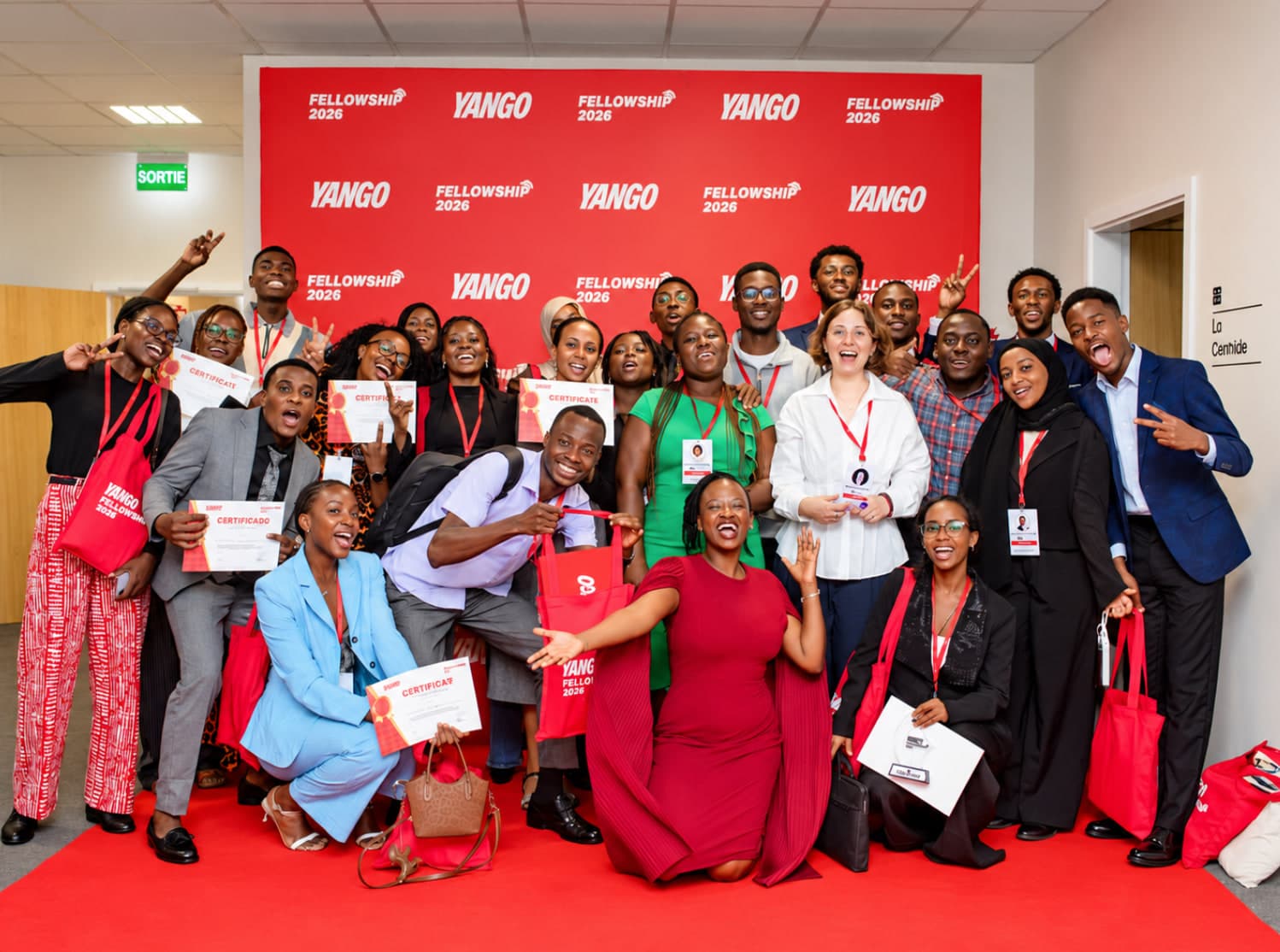
In May 2026, Yango announced plans to invest at least $150 million in its African expansion, including entering 10 additional markets. The company has also run its Pan-African Fellowship, offering technical training and mentorship to people working on problems in their communities.
The investment signals that Yango sees room to grow, but expanding into more countries brings a separate challenge: making each operation commercially viable. For ride-hailing, the company needs enough trips to keep drivers earning and customers coming back. For delivery, the cost of getting an order to the customer has to make sense alongside what the customer spends.
These pressures are not unique to large technology companies. An SME selling across African borders faces the same basic question. After paying for transport, payment processing, customs, returns and customer support, how much money is left? A market can look attractive when measured by population or demand and still be difficult to serve profitably.
The real test comes after launch
Yango’s strategy relies on using the same underlying technology while adjusting its operations to suit individual markets. The company wants to grow in places where it already operates and enter additional markets where it sees potential. Whether that works will depend on the details: how customers use the service, what drivers and other service providers earn, how much people are willing to pay and what it costs to operate under local rules.
For other businesses looking beyond their home markets, there is a useful question to ask before expanding: what will have to change for this business to work here? The answer might involve payments, distribution, pricing, staffing or the way the product is delivered. Those decisions need to be made before the expansion budget is spent, not after the first customers arrive. Taking a digital service into another country involves more than introducing the technology. The business itself has to fit the place.