
Wescoal may have to review non-core assets and groupwide retrenchments as Eskom sales decline
Coal producer, Wescoal, says offtake by Eskom and other trading clients has not recovered to pre-lockdown levels. Wescoal says it's looking at cutting costs, reducing production and rescheduling capital expenditure after sales to Eskom and other trading clients failed to recover from the decline during the national lockdown earlier this year. The coal miner says
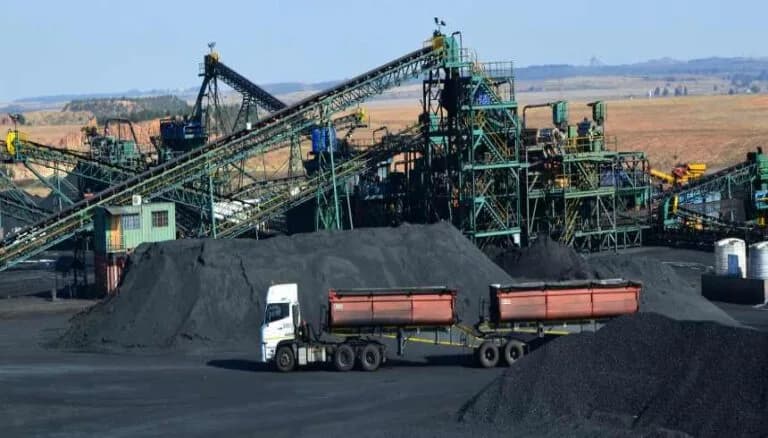
Wescoal may have to review non-core assets and groupwide retrenchments as Eskom sales decline
Coal producer, Wescoal, says offtake by Eskom and other trading clients has not recovered to pre-lockdown levels.
Wescoal says it’s looking at cutting costs, reducing production and rescheduling capital expenditure after sales to Eskom and other trading clients failed to recover from the decline during the national lockdown earlier this year. The coal miner says a review of non-core assets and group-wide retrenchments are also on the cards and it’s already commenced a section 189 process.
The company returned to profitability in the first half of its financial year as turnaround at its mining operations made up for the lower offtake from Eskom. It said the stock build-up would help it maintain sales through the upcoming rainy season. However, increasing stockpiles negatively impacted cash flows and it said it needed to create significant financial headroom for the remainder of its financial year. After an application to its lenders to restructure current debt, the consortium of banks agreed to waive instalments for the next two quarters which would relieve cash flow pressure, it said.
Wescoal said it was able to capitalise on a better positioned portfolio of assets with an overall sold production performance for the six months ended September. Revenue increased by 1.3% to R2.09 billion and operating profit jumped 580% to R102 million. It swung to a net profit of R11 million from last year’s interim loss of R51 million. Earnings per share (EPS) rose to 2.6c from a loss of 11.8c last year, while headline EPS improved to 3.3c from a 11.9c loss. Net debt decreased to R1.06 billion from R1.22 billion due to a R76 loan repayment and a higher cash balance of R205 million. Like last year, it hasn’t declared an interim dividend.
Wescoal delivered a satisfactory financial performance, largely driven by a solid operational turnaround strategy in the Mining division, despite a tough economic environment of reduced coal offtake from major customers as a result of the COVID-19 pandemic,” CEO Reginald Demana said. “Having stabilised our mining operations, the focus now shifts to the roll-out of cost saving initiatives to improve the group’s profitability further and to create financial headroom to position the company to grow sustainably.”
At the current run rate, the company said run of mine production would likely exceed 8-million tonnes for the full year to end-March. Demand from Eskom was expected to return as economic activity regained momentum. It said its growth strategy included the potential to consider diversification into other commodities, logistics and mining services.
Decent performance from Wescoal #jsewsl and exxaro #jseexx. #southafrican #coal on the up
— Mining South Africa (@mining_safrica) December 4, 2020
$WSL $Wescoal.
— Paul Kluge (@klugerpaul) December 4, 2020
Yes, there is a lot of debt and yes, coal prices are down. But they generated R160m in net cash in the lockdown period. That puts them 1 x cash flow annualised.
Ops cash flow is as much as R1.1bn annualised. Market cap of R300m.
Main Image: Mining Review Africa