Vivo Energy Scales Up Durban Fuel Storage in $130 Million Plan
Vivo Energy, a subsidiary of global commodities trader Vitol, plans to invest $130 million to expand fuel storage infrastructure in Durban, South Africa’s key port on the east coast, according to George Roberts, CEO of Vivo Energy’s South African unit, Engen Investment overview and capacity expansion The investment, which was planned before recent geopolitical tensions
Vivo Energy Scales Up Durban Fuel Storage in $130 Million Plan
Vivo Energy, a subsidiary of global commodities trader Vitol, plans to invest $130 million to expand fuel storage infrastructure in Durban, South Africa’s key port on the east coast, according to George Roberts, CEO of Vivo Energy’s South African unit, Engen
Investment overview and capacity expansion
The investment, which was planned before recent geopolitical tensions disrupted global energy flows and restricted passage through the Strait of Hormuz, is expected to strengthen South Africa’s resilience to future supply disruptions, said George Roberts, chief executive of Vivo Energy’s South African unit, Engen.
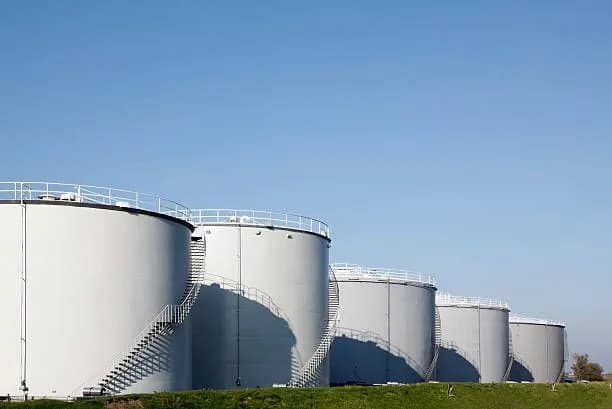
Roberts told Reuters that the project will add roughly 125,000 cubic metres of storage capacity in Durban, bringing the site’s total to about 500,000 cubic metres. The new capacity is expected to come online in phases between the third quarter of 2026 and the third quarter of 2027. It is designed to provide a buffer against supply interruptions, particularly those linked to instability in major producing regions.
He said the expanded storage would allow higher fuel stock levels within the country, giving suppliers more time to source and ship product when disruptions occur. Fuel shipments to South Africa typically take between 20 and 25 days, depending on the origin, he added.
Infrastructure conversion and purpose
The additional capacity will be created by repurposing decommissioned refinery tanks in Durban and upgrading a receiving facility at Island View. This forms part of Vivo Energy’s broader plan to convert the fire-damaged Engen refinery into a storage terminal handling products such as diesel, petrol, and jet fuel. South Africa and other countries in Southern and East Africa remain dependent on imported crude and refined petroleum products, making them sensitive to supply disruptions from major producing regions. Analysts say this vulnerability is compounded by limited storage and infrastructure capacity.
Company footprint and regional investments
Vivo Energy, which distributes Shell-branded fuel outside South Africa and Engen in the local market, operates more than 4,000 service stations across Africa. The company is also investing in LPG and fuel storage infrastructure in countries such as Côte d’Ivoire, Senegal, and Morocco.
Roberts added that the company has recently expanded depot investments in Uganda, Tanzania, and Mozambique, and would consider further opportunities in those markets if conditions are favourable.