Vitol's R40 billion Durban project puts South Africa's gas ambitions back in focus
Vitol is planning a R40 billion LNG terminal and gas-fired power station in Durban as South Africa looks for alternatives to declining gas supplies from Mozambique. The project could create opportunities for local businesses, but securing approvals, fuel supply and government backing remains a challenge.
Vitol
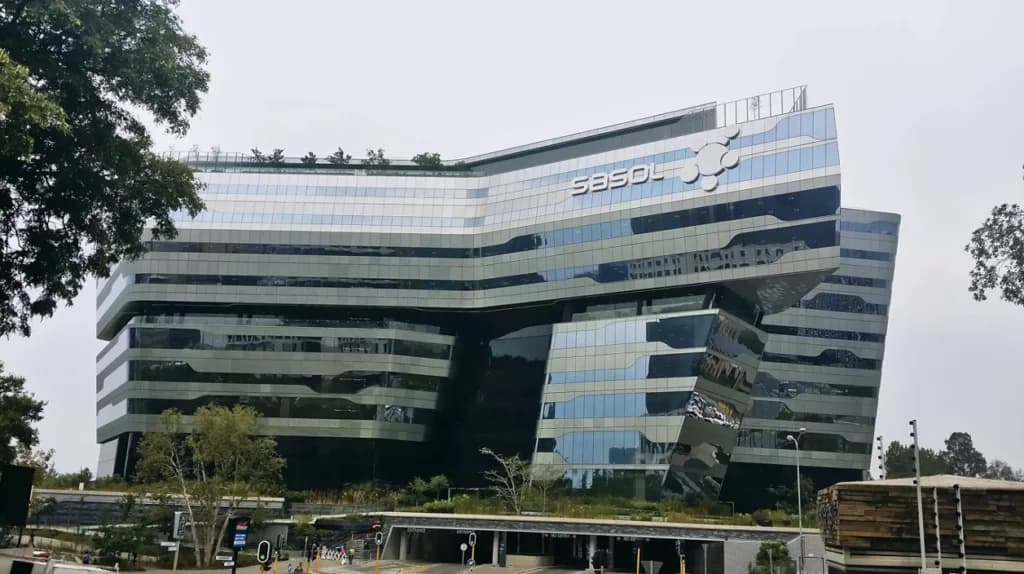
South Africa's plans to bring more gas into its energy mix have suffered a setback, with the government's first gas to power procurement round ending without any successful bidders. Now a R40 billion private sector project planned for Durban is putting the issue back in focus. A consortium led by Engen, which is part of global energy trader Vitol, expects to start construction of an integrated liquefied natural gas (LNG) import terminal and power station in late 2028.
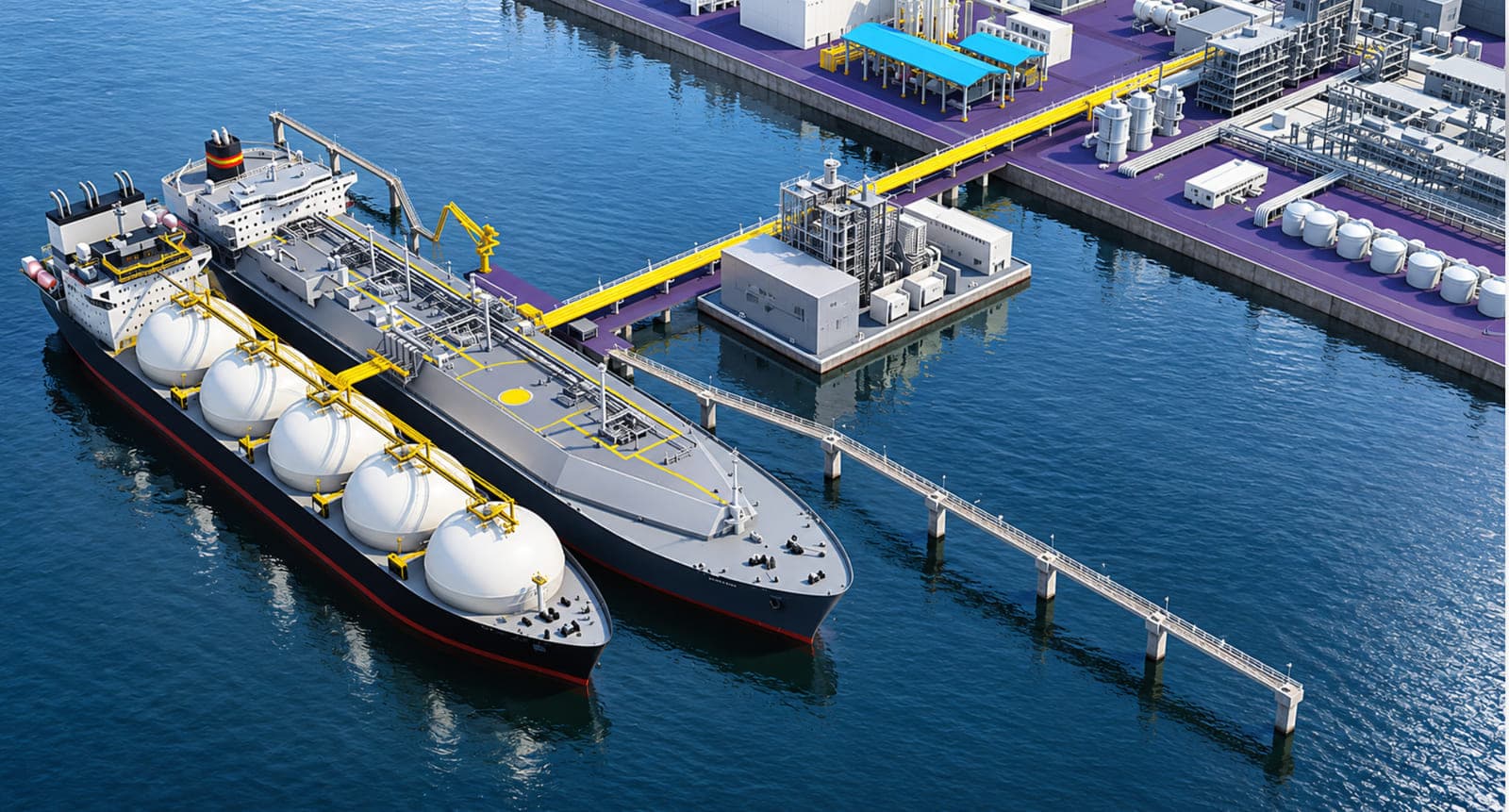
The project will be developed with infrastructure company VTTI and Saudi Arabian energy developer ACWA Power. It will include an LNG import terminal at the Port of Durban, pipeline infrastructure and a 1.9GW combined-cycle gas turbine power station at the former Engen refinery site. The terminal is expected to handle up to five billion cubic metres of gas a year. The facility will supply the proposed power station while also providing gas to industrial customers.
Durban could become an important gas entry point
The investment comes as South Africa faces the prospect of declining natural gas supplies from Mozambique, which currently provides most of the country's pipeline gas. This has become a concern for industrial users, particularly businesses that rely on gas for manufacturing and other production processes.
By bringing LNG into Durban, the consortium wants to establish another supply route for the country. The infrastructure could also allow gas to be transported to businesses outside the immediate power station network. The project could create opportunities for companies involved in construction, engineering, pipeline development, equipment supply and technical services. According to Vitol, construction could support around 1,000 workers on site at peak, while operations are expected to create approximately 220 direct jobs and 520 indirect jobs.
The government tender setback remains a concern
The timing of the announcement is important. As BTA reported earlier in November, South Africa's first Gas Independent Power Producer Procurement Programme (GASIPPPP) ended without preferred bidders. Four proposals offering a combined 2,830MW were submitted against the government's 2,000MW target. However, none met the required guarantees for long term gas supply.
The outcome highlighted one of the biggest problems facing South Africa's gas-to-power plans: securing a reliable supply of fuel before committing to new electricity generation. Vitol's proposed Durban terminal could help address part of that problem by creating infrastructure for imported LNG. However, the company has confirmed that the project still depends on successful participation in the government's second gas-to-power procurement round. It also needs the necessary regulatory and environmental approvals, as well as a final investment decision.
What does this mean for local businesses?
Beyond electricity generation, the project could have implications for Durban's industrial and logistics sectors. The consortium expects the terminal to supply gas to industrial users and potentially support energy intensive developments such as data centres. It could also provide LNG bunkering services to ships using the Port of Durban. For local suppliers, the next issue will be how much of the construction and procurement work will go to South African companies.
The consortium has indicated that it is targeting approximately 30% ownership by local broad based black economic empowerment partners. There is also a wider question about the cost of imported gas. LNG prices are influenced by international markets, shipping costs and currency movements. Those costs will ultimately affect whether gas fired electricity can compete with other sources of power.
The bigger test is getting the project off the ground
The planned construction start in late 2028 gives the Durban development a clearer timeline, but it is not yet a confirmed construction commitment. The power station is targeting operations in the second half of 2031, subject to the required approvals and investment decisions. For South Africa, the project could provide an additional source of gas and support industrial activity around Durban. But the real test will be securing the fuel supply, completing the infrastructure and delivering electricity at a price that businesses can afford.