
Virgin Orbit, Richard Branson's Rocket Company, Files for Bankruptcy
Virgin Orbit, the satellite launch company founded by Sir Richard Branson, has filed for bankruptcy in the US after failing to secure new investment. The company, which is based in California and was spun off from Branson's space tourism firm Virgin Galactic in 2017, had already halted operations weeks ago and announced plans to cut
Virgin Orbit, Richard Branson's Rocket Company, Files for Bankruptcy
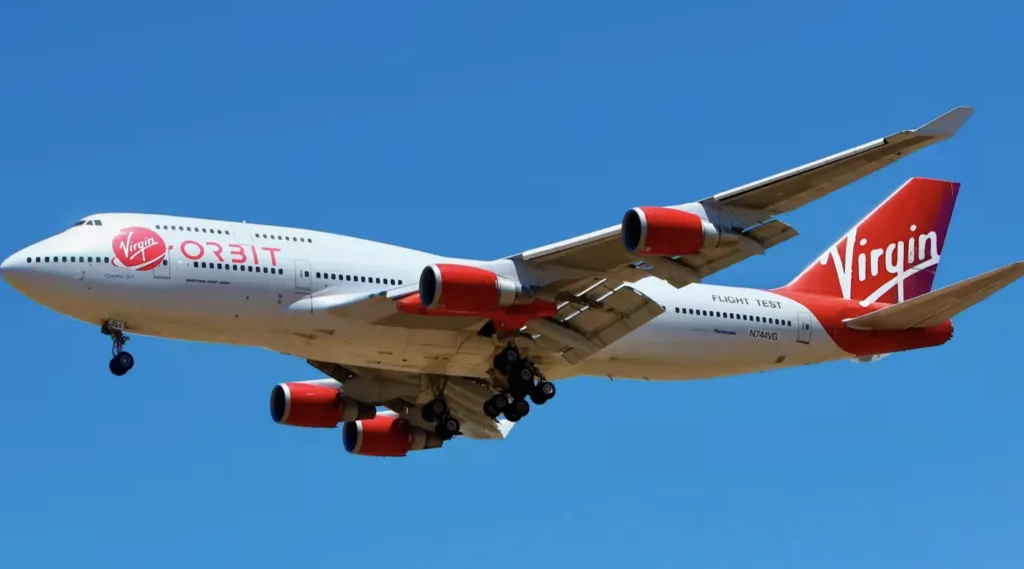
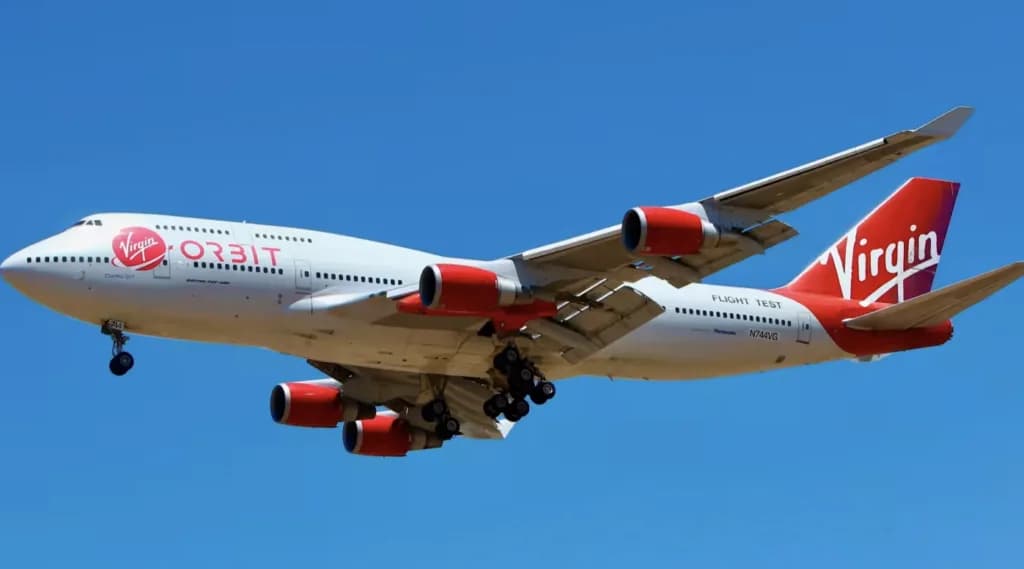
Virgin Orbit, the satellite launch company founded by Sir Richard Branson, has filed for bankruptcy in the US after failing to secure new investment. The company, which is based in California and was spun off from Branson’s space tourism firm Virgin Galactic in 2017, had already halted operations weeks ago and announced plans to cut 85% of its workforce. However, it hopes to find a buyer for the business. Virgin Orbit’s rockets are launched from beneath modified Boeing 747 planes to send satellites into space, but a launch from the UK earlier this year failed when a rocket fuel filter became dislodged, causing one of the engines to overheat.
The failure was a major blow to Virgin Orbit’s ambitions and had followed the company’s scramble to find new funding after the incident. Virgin Orbit had listed its shares on the New York Nasdaq index in 2021 and had debts of $153.5m (£123m) as of September last year. On Tuesday, the company said Virgin Investments, part of the Virgin Group, would provide $31.6m in new money to help Virgin Orbit through the process of finding a buyer. It has filed for what is known as Chapter 11 bankruptcy protection in the US, which allows a business to keep operating and address its financial issues while providing protection against creditors who are owed money.
Former president of Virgin Galactic, Will Whitehorn, said that the failed launch in Cornwall and the collapse of Silicon Valley Bank at the time it was trying to raise new funding contributed to its downfall. But Mr Whitehorn said the business deserved a second chance because there was “a lot of demand” in the industry. “What you have got to remember is they have got nearly 50 satellites into space already, so I think there’s a chance they’ll be back,” he said. However, Danni Hewson, head of financial analysis at investment firm AJ Bell, said the company’s failed launch mission from the UK was “not the best advert” for its technology.
Virgin Orbit had aimed to turn the UK into a global player in the space industry – from manufacturing satellites to building rockets and creating new spaceports – and had received support from the UK Space Agency. The agency said it had worked with Virgin Orbit for many years but said its issues were a commercial matter for the company. It added that the UK space sector was “thriving” and generates £17.5bn worth of income a year.
Although Virgin Orbit’s bankruptcy is a setback for Branson’s ambitions in the space industry, it is not necessarily the end of the company. Many space companies have gone through Chapter 11 bankruptcy, only to re-emerge a few months later with new owners, no debts and a healthy stash of investment cash to take the business forward. OneWeb, a London-based satellite internet firm, is a recent example of this.
However, any prospective new owner of Virgin Orbit will want to know a high cadence of launches can be achieved, which means going up every month, the original aim of the company. Virgin Orbit’s boss, Dan Hart, said he was confident the company had a “wide appeal” to a new owner because its team had created “cutting edge launch technology”. But investors will likely remain wary of the space industry, which is still relatively unproven and risky, despite its significant potential in the future.
Branson is one of a small group of billionaires who have expanded their business empires into launching satellites and attempting to pioneer commercial space travel. The others include Jeff Bezos, founder of online retailer Amazon, who set up his space company Blue Origin, and Twitter and Tesla owner Elon Musk, who founded SpaceX. Despite the setback, Branson is unlikely to be deterred from his ambitions in the space industry and may look to launch new ventures