
Transnet strike costs the South African berry industry R134 million weekly
As the strike involving Transnet and its workers affiliated with African Transport and Allied Workers (Satawu) continues, it costs South Africa’s berry industry as much as R134 million weekly. Since the strike by Transnet workers began almost two weeks ago, as many as 80 containers of berries that were headed for the country’s European markets
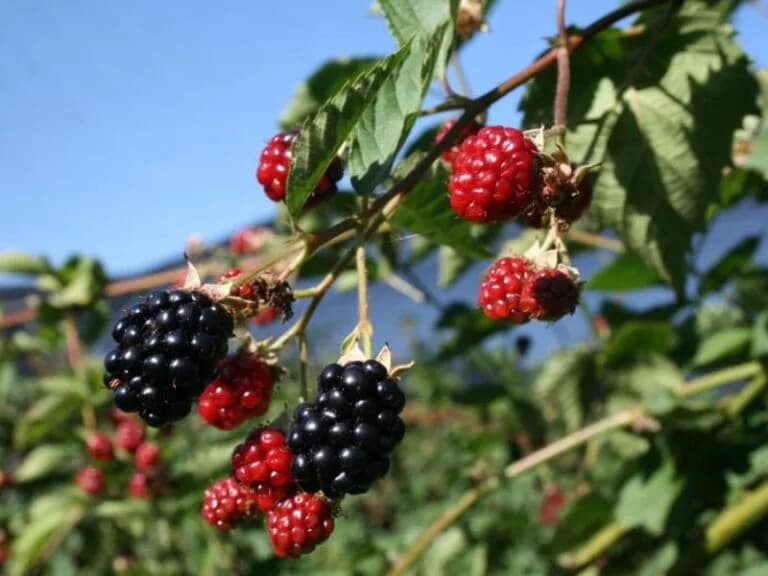
Transnet strike costs the South African berry industry R134 million weekly
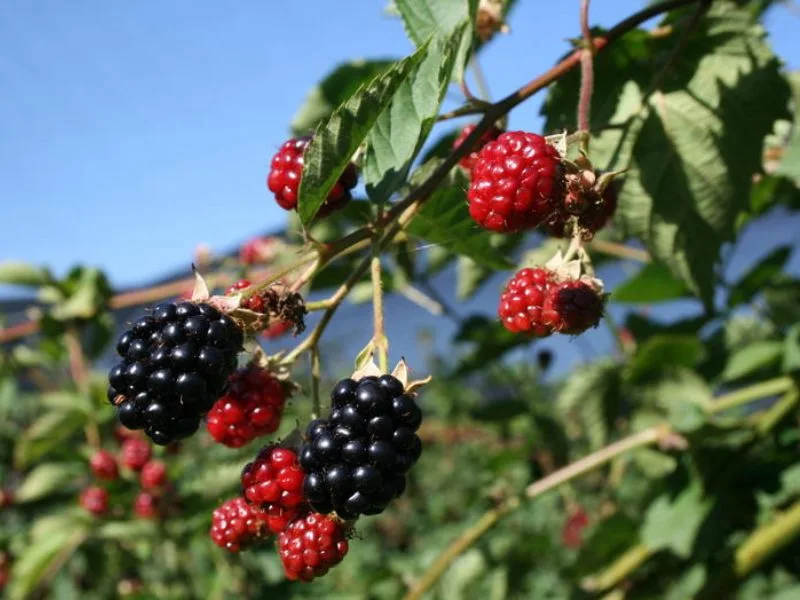
As the strike involving Transnet and its workers affiliated with African Transport and Allied Workers (Satawu) continues, it costs South Africa’s berry industry as much as R134 million weekly.
Since the strike by Transnet workers began almost two weeks ago, as many as 80 containers of berries that were headed for the country’s European markets have been stuck at South Africa’s ports, according to industry body BerriesZA.
The strike came as Transnet workers affiliated with the United National Transport Union (UNTU) and (Satawu) downed tools, initially demanding increases of up to 13.5%.
Despite that, workers belonging to UNTU have reportedly agreed to return to work as Satawu feels Transnet has offered increases below half of what the union is demanding.
According to Business Insider SA, it is projected that the strike by the unions could lead to a R1 billion loss a day for South Africa’s economy, according to the Durban Chamber of Commerce.
As the strike drags on, the industry is now ‘gravely’ concerned about the outlook of the berry sector, whose R3 billion export revenue stands to be lost, chairperson of BerriesZA Justin Mudge, he said there have been no contingency plans set to ensure that shipments of berries from South African ports continue.
“Even if a solution to the current impasse is found in the next day or two, the backlog in the berry value chain will take weeks to clear, resulting in hundreds of millions of rands in further losses for the sector,” Mudge said.
“With no end to the strike in sight despite Transnet’s ongoing negotiations with unions, it is imperative that the ports authority puts emergency plans in place to mitigate the impact of the current strike on the economy.”
The local harvesting season, dominated by blueberries, usually commences in mid-September, with peak exports occurring from October through November.
In its 2022/2021 season, the berry industry exported more than 15,000 tons of fruit, primarily to the countries in the European Union and the UK and the longer the Transnet strike drags on, the more the industry feels the effects.
Main Image: Berry Farm/SouthAfrica.CO.ZA