To pay off e-tolls, the government wants a new "hybrid model"
The Gauteng provincial government says it will contribute R12.9 billion to the decommissioning of Johannesburg's e-tolls, but only over the long term, using a new 'hybrid model' to generate revenue. Gauteng Premier Panyaza Lesufi met with Finance Minister Enoch Godongwana and road agency Sanral this week to discuss a plan to phase out the system
To pay off e-tolls, the government wants a new "hybrid model"
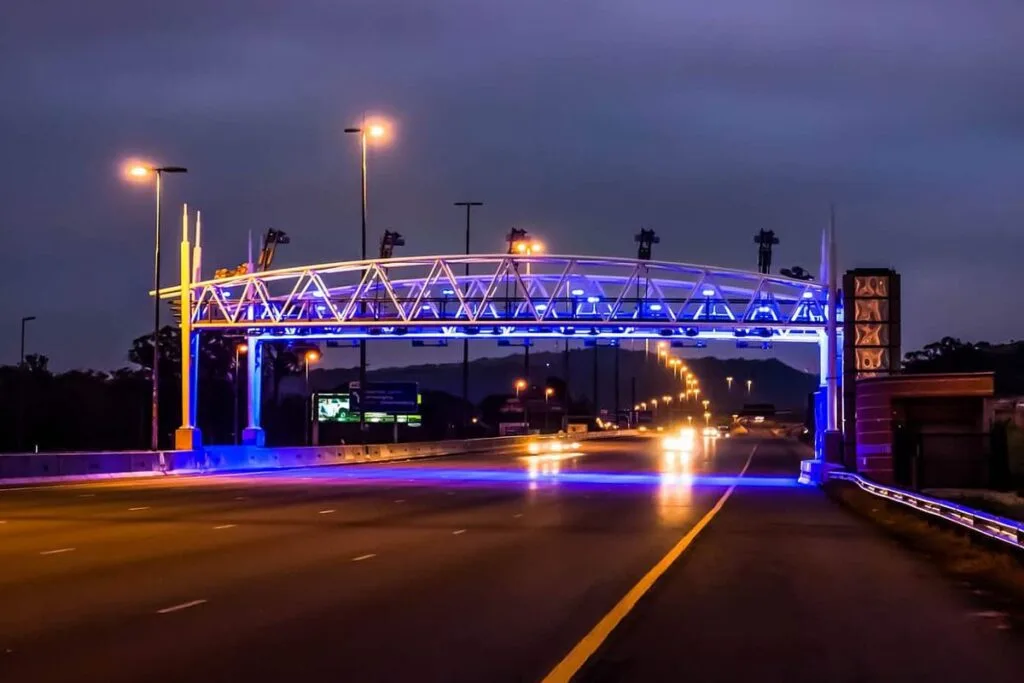
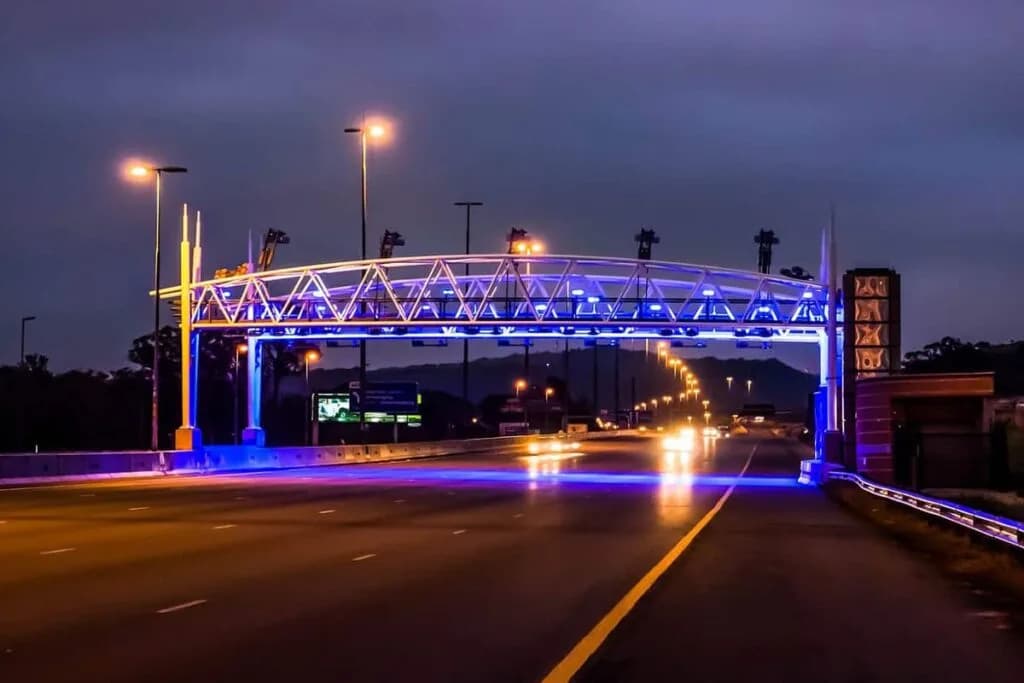
The Gauteng provincial government says it will contribute R12.9 billion to the decommissioning of Johannesburg’s e-tolls, but only over the long term, using a new ‘hybrid model’ to generate revenue.
Gauteng Premier Panyaza Lesufi met with Finance Minister Enoch Godongwana and road agency Sanral this week to discuss a plan to phase out the system in the province.
He stated that the R12.9 billion needed to settle the province’s portion of the debt would be raised through “different revenue streams in the form of a hybrid model,” and that it would be paid over a long period of time.
The premier did not specify what the “hybrid model” would be or how long the payment term would be. He previously proposed spreading the payment over 20 years.
The “hybrid model” of revenue collection will be established in consultation with Gauteng residents and the premier, and will also provide for future funding of the Gauteng Freeway Improvement Project as well as system maintenance.
“A long-term repayment period will ensure that we relieve the pressure on the provincial government fiscus, while maintaining the delivery of social services and other imperatives such as fighting crime,” Lesufi said.
“More work still needs to be done jointly by the Gauteng government, national Department of Transport, Sanral and National Treasury to clarify maintenance and the decommissioning of e-tolls,” he said.
The premier has stated unequivocally that the Gauteng e-tolling system will be phased out, but has not provided a timeline for when the system will be completely decommissioned.
Treasury previously warned that the system would remain in effect until a notice was gazetted stating otherwise, noting that Sanral has a statutory obligation to collect any toll fees owed to them.
Godongwana announced during his mid-term budget speech that the national government would transfer R23.736 billion to pay off roughly 70% of the R43 billion in debt associated with the failed system. He said it would be up to Gauteng to figure out how to pay for the rest.
Opposition groups, such as Outa, have raised concerns about the amount of debt tied to the system, claiming that the debt could not have risen above R33 billion based on its own calculations. It advocated for greater clarity and transparency in the decommissioning process.
Meanwhile, the Democratic Alliance has chastised Lesufi and the national government for failing to deliver a clear plan to phase out e-tolls, claiming that too many questions have been left unanswered about how the province will make up the shortfall.
“Since 95% of the Gauteng Provincial Government’s revenue is dependent on income from National Treasury, and the remaining 5% is already committed towards the province’s budget, it is hard to determine where the additional funds will come from,” the party said at the start of the month.
The party pointed out that taxation is one of the province’s only sources of revenue.
“The Premier needs to provide clarity about what exactly this new revenue model entails. Will it be a new provincial tax imposed on the already overburdened residents of Gauteng? We cannot afford to replace e-tolls with another form of taxation, the only way for the government to raise revenue.”