
Tiger Brands Navigates Rising Costs and Weakening Margins Challenges
Tiger Brands, South Africa's largest food producer, has faced volume and profit margin challenges while passing on rising input costs to customers. Despite reporting a double-digit increase in interim revenue, the company was under pressure from a variety of sources. Tiger Brands' revenue increased by 16% to R19.4 billion in the six months ending March,
Tiger Brands Navigates Rising Costs and Weakening Margins Challenges
Tiger Brands, South Africa’s largest food producer, has faced volume and profit margin challenges while passing on rising input costs to customers. Despite reporting a double-digit increase in interim revenue, the company was under pressure from a variety of sources.
Tiger Brands’ revenue increased by 16% to R19.4 billion in the six months ending March, driven by 17% selling price inflation. However, its volumes fell by 1%, and while headline earnings per share increased slightly to 731c, the company faced margin pressure. The rising costs of load shedding, which impacted gross margins, posed additional challenges for the company.
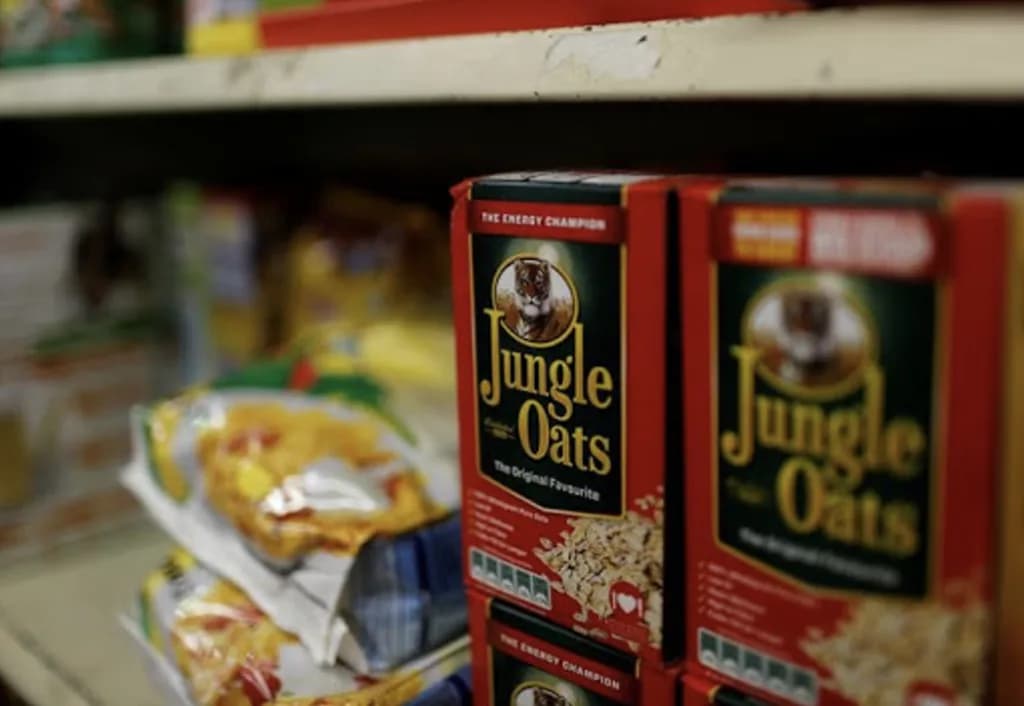
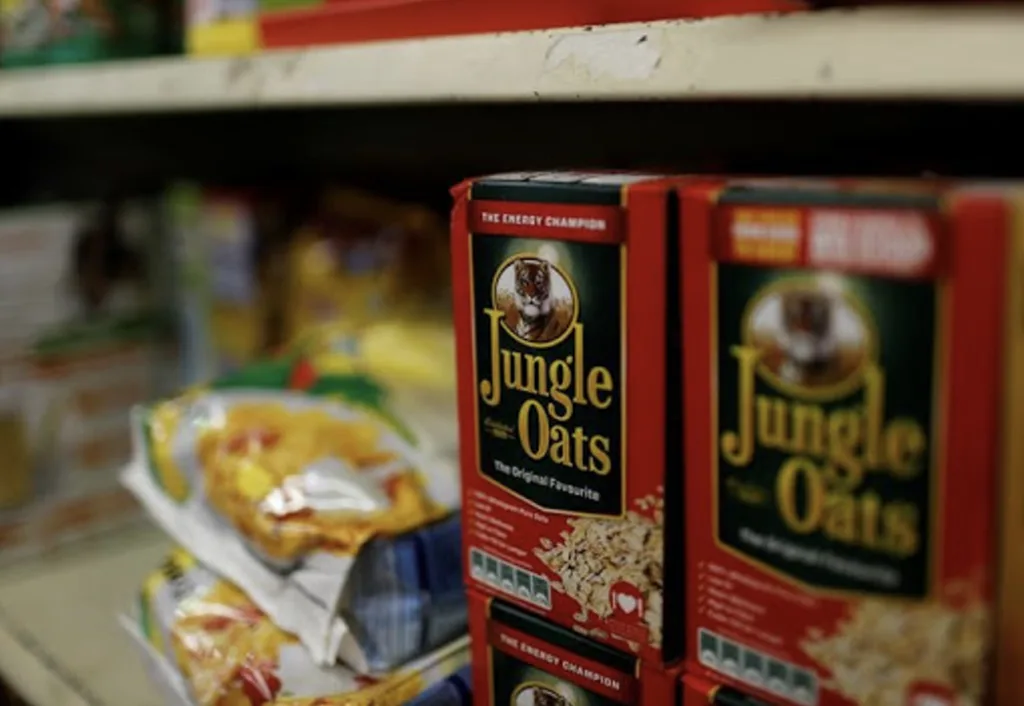
Tiger Brands, known for popular products like Jungle Oats, Tastic Rice, and Albany Bread, has also expressed concern about the rand’s depreciation. Despite the benefits of falling prices for certain internationally priced commodities, the weakening rand, which reached a record low of R19.83/$, was expected to offset these gains. The company maintained consistent volumes in its domestic business, owing to strong recoveries in its bakeries, snacks and treats, and personal care divisions, as well as strong performances in the sorghum breakfast, rice, beverages, and out-of-home segments. However, volume declines were observed in flour sales to retail and wholesale customers, as well as sorghum beverages, groceries, and baby categories. The home care segment also saw a slight decrease.
Furthermore, Tiger Brands reported a significant decline in volumes in its deciduous fruit business, which was offset by a strong recovery in export volumes. The company’s cost-cutting initiatives and supply chain efficiencies were insufficient to offset the high level of input cost inflation, which was exacerbated by operating costs in an environment with limited electricity supply. The total cost of load shedding for the period was R76 million, up from R12 million in the previous year’s corresponding period. As a result, gross margins dropped from 29.2% to 27%.
In terms of future prospects, Tiger Brands acknowledged the expectation of a significant reduction in certain internationally priced commodities. However, the rand’s weakness was offsetting this positive trend, and operating costs were expected to rise due to higher levels of load shedding during the winter season. These factors raised concerns about the company’s ability to navigate commodity price fluctuations and South African challenges.
Finally, Tiger Brands faced volume and margin pressures as rising input costs were passed on to customers. Despite a double-digit increase in interim revenue due to selling price inflation, the company faced challenges such as load-shedding costs, a weakening rand, and declines in certain product categories. Although cost-saving measures were implemented, they were insufficient to fully mitigate the impact of high input cost inflation.