This week, South Africa will see a massive increase in electricity prices
When Nersa meets on Wednesday, it is expected to make an announcement on how much Eskom may raise energy rates in 2023. (12 January 2023). The predicted announcement comes after multiple delays by Nersa, which was due to rule on Eskom's bid to raise tariffs by 32% in November 2022. Eskom's September proposal to Nersa
This week, South Africa will see a massive increase in electricity prices
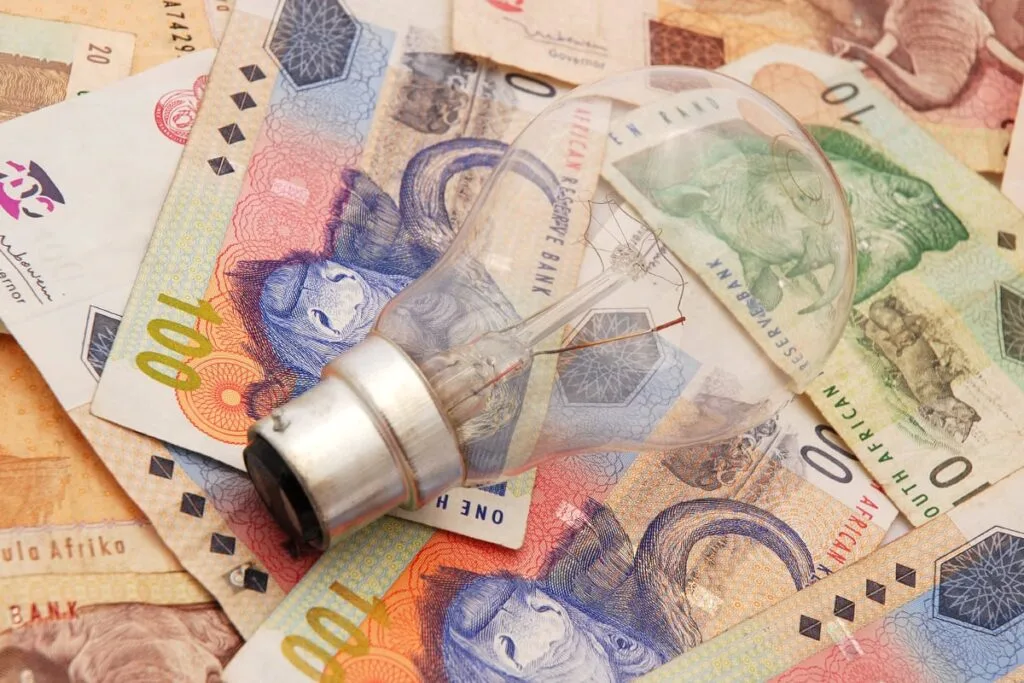
When Nersa meets on Wednesday, it is expected to make an announcement on how much Eskom may raise energy rates in 2023. (12 January 2023).
The predicted announcement comes after multiple delays by Nersa, which was due to rule on Eskom’s bid to raise tariffs by 32% in November 2022.
Eskom’s September proposal to Nersa requested a 32% rate increase in 2023, which, when combined with court-ordered backlogs, may result in energy costs rising by more than 38%.
According to Nersa, the electricity provider hopes to recover R351 billion through rate increases in 2023/24 and R381 billion in 2024/25.
Media statement – NERSA granted extension to make final decision on Eskom’s revenue application for the 2023/24 financial year. pic.twitter.com/U0hwKnI71D
— NERSA_ZA (@NERSA_ZA) December 21, 2022
Nersa was due to make its decision to approve or refuse the application at the end of November but instead postponed the case to 14 December so it could deal with ‘numbers that were not adding up’.
However, the subcommittee agreed that additional time was required to evaluate the figures, therefore the judgement was postponed until January 12, 2023.
The delay, according to Nersa, was caused by “a lot of guidance” required in reaching the choice.
“Certain numbers didn’t tally, and the regulator was asked to expand the work. The work still needs to be done. There are vast areas that need improvement,” it said in December.
The regulator was originally given a deadline of December 23, 2022, but was granted an extension.
Nersa stated at a special electricity subcommittee (ELS) meeting on Monday that Eskom had requested R351 billion in 2023/2024, including RCAs, and R381 billion in 2024/2025.
The delay has had considerable impact on Eskom’s financial projections for the coming year. In its financial results released last month, the firm stated that it was on pace for a staggering R20.1 billion deficit in 2023, excluding tariff increases.
With Eskom requesting a more than double rise for 2023, it should be able to lower its losses even further.
The firm will also be looking for extra flexibility to spend on fuel in 2023, after exceeding its R7 billion planned allotment last year in order to keep the lights on.
It more than quadrupled its diesel consumption in the fiscal year, spending R14.7 billion on fuel, up from R7 billion the previous year. This resulted in a serious shortage of diesel supply at the end of the year, prompting PetroSA to issue an emergency lifeline of 50 million litres, which must last until March 2023.
Eskom has become dependant on its open-cycle gas turbines to alleviate the strain of load shedding in the nation and is requesting up to R20 billion in fuel procurement – a desire that is unlikely to be fulfilled.
Nersa stated that Eskom relies too much on OCGTs as an intervention, but it is aware that this is the least of two evils – and that the economic effect of losing funding for the turbines might be worse than lifting the ceiling on what Eskom can spend to keep them running.
Out of options
Despite widespread opposition to the 32% rise, economists say South Africa has run out of options to avert a hefty increase.
According to Intellidex analyst Peter Attard Montalto, South Africans would either pay much more for power or taxpayers will pay more as a result of government bailouts.
Eskom has referred to this, indicating in its full-year report that revenue losses due to non-payment by municipalities or customers must be handled by the government in some way.
According to outgoing CEO Andre de Ruyter, if a solution to the income problem is not found, Eskom would require ever-increasing government bailouts.
According to Eskom, the 32% price increase will bring prices closer to the cost of providing energy in the country. Opponents of the raise have said that it is expensive and would hurt consumers and companies hard at a time when their budgets are already stretched.