The Iconic Pagani Zonda: A History, Reviews, and Specs
The Zonda, Pagani's first and most iconic model, continues to be a game-changer in the world of supercars. Pagani's incredible journey from a relatively unknown start-up to a renowned supercar manufacturer is in large part due to the Zonda. This exceptional creation not only defied expectations but also established a modern-day supercar dynasty, as explained
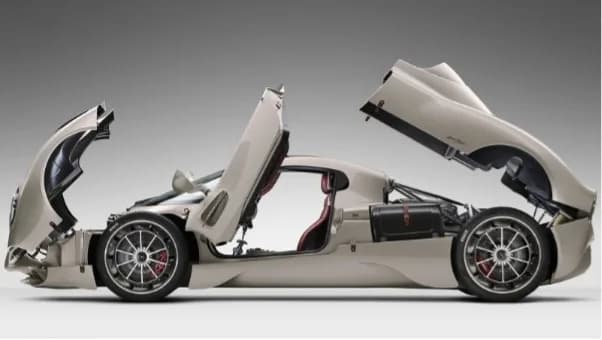
The-Iconic-Pagani-Zonda-A-History-Reviews-and-Specs
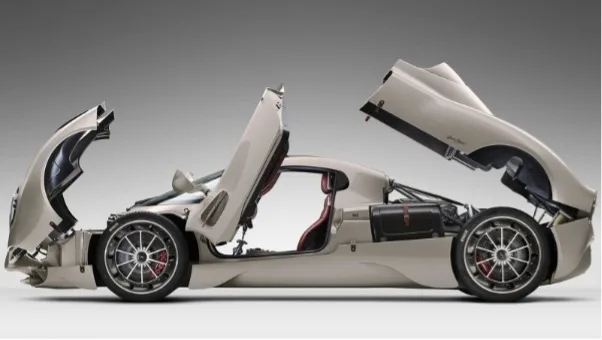
The Zonda, Pagani’s first and most iconic model, continues to be a game-changer in the world of supercars. Pagani’s incredible journey from a relatively unknown start-up to a renowned supercar manufacturer is in large part due to the Zonda. This exceptional creation not only defied expectations but also established a modern-day supercar dynasty, as explained below.
The extraordinary success of the Zonda has kept it in production, even after the introduction of the all-new Pagani Huayra, which was supposed to replace it. The constant demand from wealthy enthusiasts transformed the Zonda, which was launched in 1999 as an initially affordable supercar, into an exclusive masterpiece commissioned by the elite.
The 760RS, a notable Zonda variant, was designed to provide the track-focused performance of the Zonda R for on-road driving. It was the first model to receive significant engine upgrades, resulting in 750bhp from its V12 engine. It was a testament to the car and the company’s excellence when Formula 1 world champion Lewis Hamilton became one of its customers.
The Pagani Zonda’s Historical Development
To truly appreciate the Pagani Zonda, one must first learn about the life and vision of its designer. The Zonda does not simply fit into the supercar category; it redefines it by providing unprecedented luxury and exclusivity. Not only did the Zonda outperform its competitors in terms of performance, but its build quality, attention to detail, and overall execution set it apart. Horatio Pagani, the man behind the brand, was deeply rooted in this ethos.
Horatio Pagani, an Argentine-born engineer and former Lamborghini employee, is widely regarded as the “Father of Carbon Fibre” for his pioneering work with the material in the 1980s in collaboration with Lamborghini. When Lamborghini’s advanced materials research was halted in the early 1990s due to a global recession, Pagani embarked on his journey, establishing a composites research and development company with the sole purpose of funding his dream of creating a supercar. The Zonda C12 is the result of Pagani’s passion for composite materials and his unwavering commitment to detail.
The Zonda C12, introduced in 1999, featured a 388bhp V12 engine mated to a five-speed gearbox, and only five units were produced. Pagani introduced the C12 S in 2002, a more powerful version with a hand-built 7-liter engine producing 542bhp. These S models also had an upgraded 6-speed gearbox and subtle exterior changes.
After 15 units and less than a year in production, Pagani further enhanced the engine, now a 7.3-liter unit, setting the stage for various future Zonda iterations. Subsequent models, such as the Roadster, F, and Cinque, continued to utilize this engine, with each being produced in extremely limited quantities and commanding significantly higher prices. The Zonda’s enduring popularity kept it in demand even after the introduction of its intended successor, the Huayra. In response to the demand from loyal customers, Horatio Pagani continues to create exceptionally expensive one-off models like the 760RS.
The Heart of the Beast: Engine and Transmission
One of the most intriguing aspects of the Pagani story is how a small Italian start-up managed to enlist the support of Mercedes-AMG. Horatio Pagani, an Argentine national residing in Italy, initially reached out to five-time Formula 1 champion Juan Manuel Fangio for a recommendation letter required for his Italian residency. This connection blossomed into a personal friendship, ultimately leading Fangio to introduce Pagani to Mercedes-Benz. As an honorary director of Mercedes-Benz, Fangio’s role was pivotal in securing an engine supply deal, which added prestige to the Pagani Zonda and attracted potential buyers.
Initially, Pagani intended to name the Zonda the “Fangio F1” in honor of Juan Manuel Fangio, but following his passing in 1995, he decided to respect the Fangio family’s wishes. The engine itself is based on a Mercedes-Benz V12 codenamed M120, in production since 1991 and used in various Mercedes-Benz flagship models throughout the ’90s and 2000s. However, the engine that found its home in the Zonda 760RS is no ordinary Mercedes-Benz V12; it underwent substantial redevelopment by both AMG and Pagani engineers over the years and is now meticulously handcrafted exclusively for Pagani.
With an astounding 749bhp at a spine-tingling 8000rpm, it ranks among the most spectacular engines ever fitted to a car. This powerplant delivers a combination of exhilarating high-rev performance and a massive, torque-rich push, reminiscent of a medium-sized locomotive.
The RS variant we had the privilege of driving featured a formidable 6-speed sequential gearbox. However, subsequent owners, including the likes of Lewis Hamilton, opted for a 6-speed manual transmission, underscoring the Zonda’s adaptability to individual preferences.
Precision and Performance: Suspension, Steering, and Brakes
Each Zonda in the 760 range is built to the owner’s exact specifications but shares the same foundation of exquisitely forged aluminium strut supports. These components are seamlessly integrated into one of the most aesthetically pleasing mechanical layouts found in any car. At its core, the Zonda features a carbon-fibre tub (or carbo-titanium in later models, which combines carbon fibre with titanium to enhance structural integrity). On either side of the tub, extruded aluminium subframes cradle the suspension and powertrain. Individually forged and machined wishbones connect to the wheel hub and carbon ceramic brake discs via a centre lock wheel nut. Each wheel, crafted from forged aluminium/magnesium alloy, undergoes CNC machining, followed by meticulous painting and fitting with Pirelli PZero tires.
The meticulous attention to detail that defines the Zonda is evident in its engineering. The driving experience it offers is nothing short of captivating, reinforcing its status as a true masterpiece.
Crafting Elegance Inside: The Interior
The commitment to excellence that runs beneath Zonda’s surface extends into the cabin. During the design phase, Horatio Pagani aimed to create a cockpit reminiscent of a fighter jet, offering exceptional visibility and a sense of spaciousness. The interior features a blend of meticulously crafted components, combining milled and machined aluminium with luxurious leathers and flawless carbon fibre work.
While earlier Zonda models exuded relative luxury, weight reduction became a priority for the 760 series, without compromising craftsmanship. In line with individual owner preferences, the 760RS boasts a multitude of carbon components, with most aluminium elements finished in anodized black aluminium.
The Pagani Zonda, born from the vision of a dedicated engineer and crafted with unparalleled attention to detail, stands as an enduring symbol of automotive excellence. Its journey from inception to its current iconic status is a testament to the passion, innovation, and uncompromising commitment to craftsmanship that define the Pagani brand. The Zonda’s allure and mystique remain undiminished, making it a timeless masterpiece in the world of supercars.
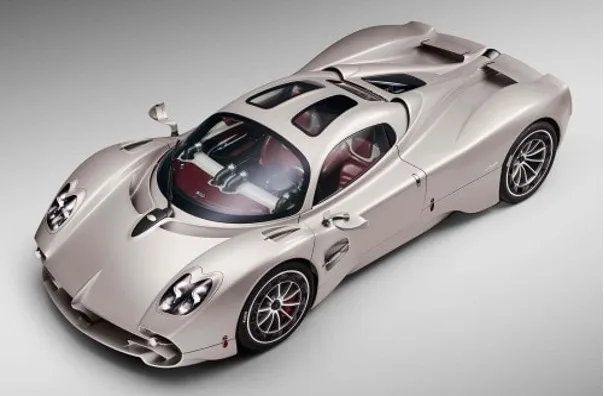
With the latest being the Pagani Utopia hypercar with 864 hp and a manual gearbox, HT Auto.