South African Startup Awards Recognise 12 Technology Companies Across 12 Categories
South Africa's 2026 Startup Awards have recognised 12 startups developing solutions to real business and everyday challenges. The awards attracted 179 entries, highlighting the range of innovation emerging from the country's startup ecosystem.
Startup Awards
Twelve South African startups have won recognition at the 2026 South African Startup Awards, with this year's winners developing technology for sectors ranging from energy and financial services to healthcare, education and logistics.
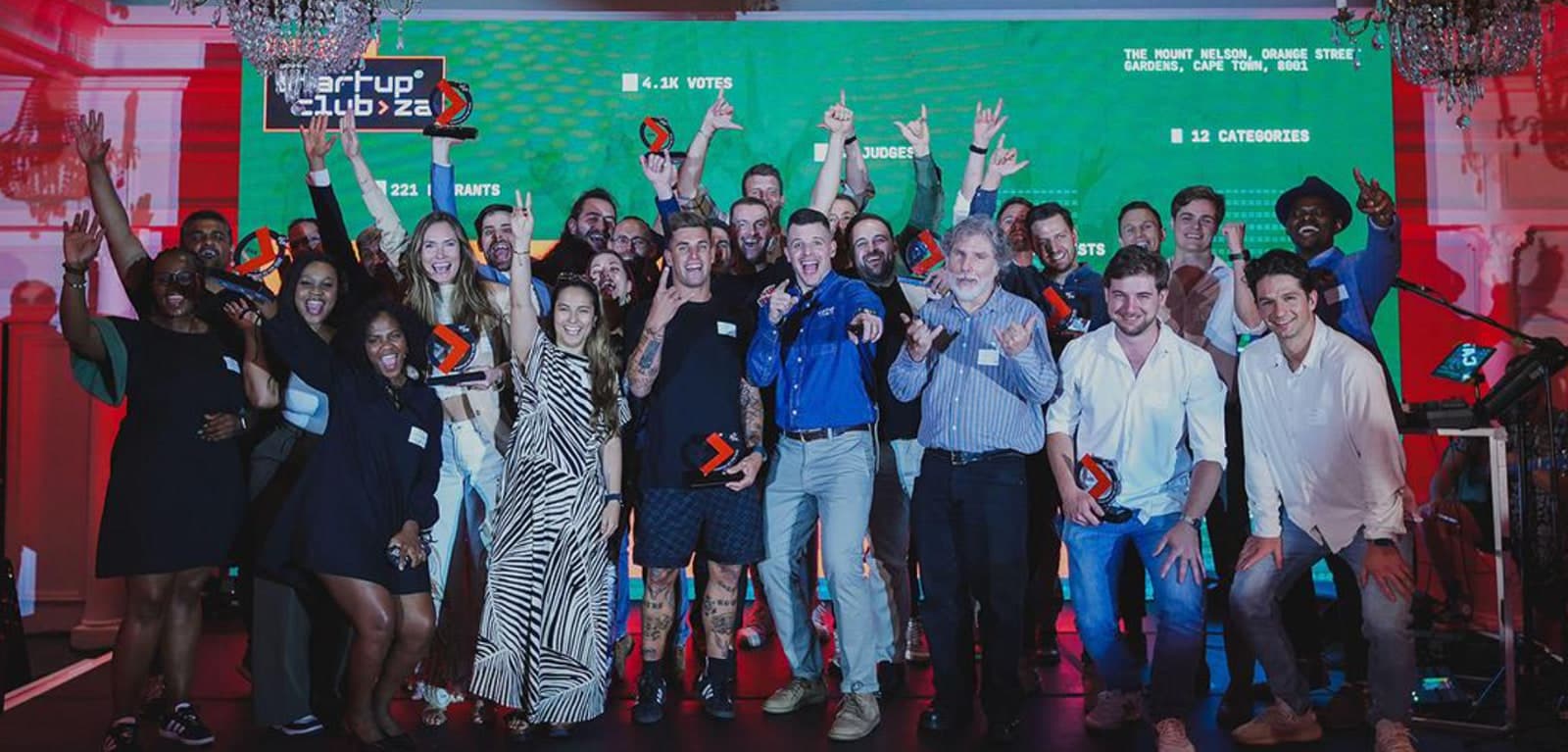
Organised by Startup Club ZA, the fourth annual awards ceremony took place on 18 November at the Homecoming Centre in Cape Town's District Six. The competition attracted 179 entries, with 51 startups progressing to the finalist stage across 12 categories.
The finalists received approximately 9,000 public votes over five days. A 24 member judging panel then assessed the shortlisted companies, with the People's Choice award decided through public voting.
Startups tackle problems in energy, finance and public safety
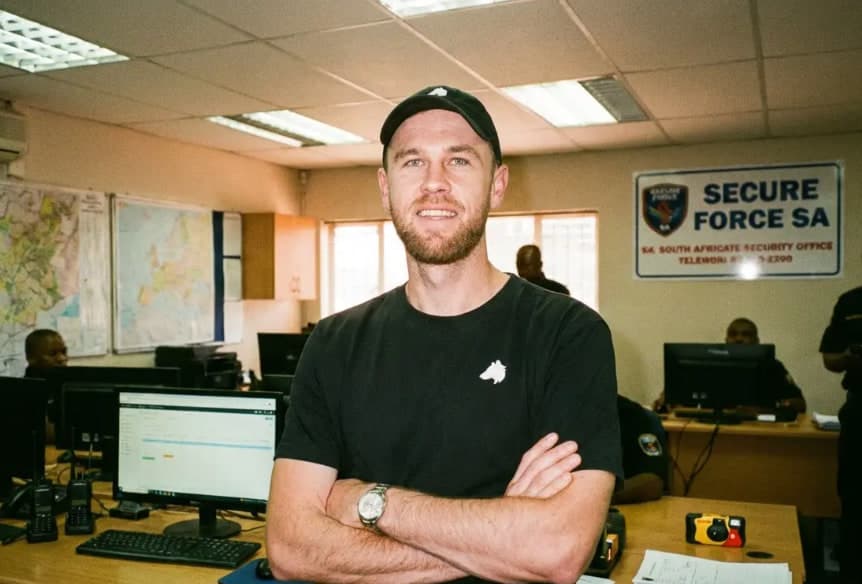
Community Wolf won the AI and Big Data category for its public safety technology, which turns reports and observations from communities into information that security teams can use. Its products include a personal safety application and software for security control rooms.
Switch Energy received the Climate and Sustainability award for its smart metering, meter data management and energy-trading platform. The company operates in South Africa's changing electricity market, where businesses and consumers are exploring alternative ways to manage and trade power.
In the Consumer Technology category, VezoPay won recognition for its battery-free payment wearables. The devices use secure, tokenised payment technology, allowing users to make payments without carrying a bank card, phone or wallet.
Tavas took the Deeptech award for its AI-powered energy management platform, which supports decentralised electricity networks. Its system is designed to manage energy assets without requiring frequent on-site intervention.
The Fintech award went to WaFunda, which helps graduates recover academic qualifications withheld by institutions over outstanding student fees. It uses income share agreements that allow graduates to settle their debts through payments linked to their earnings.
Healthcare, education and logistics among other winners
The other category winners included Zumii, a WhatsApp-based service that helps parents source, pack and deliver school stationery, which won Digital Commerce. Edufern received the Edtech award for its curriculum aligned learning resources, while LEVRA won Future of Work for its AI-powered platform that develops and assesses skills such as judgement and decision making.
GreenNotes won Healthtech for its clinical software, which supports healthcare professionals with patient intake, records, billing and medical aid claims.
AskMandla received the Informal Market award for its WhatsApp service that helps households employ domestic workers legally, including assistance with employment contracts, UIF, payslips and salaries.
CitiPods won Mobility and Logistics for its connected rest facilities for delivery riders and outdoor workers. The hubs provide shelter, toilets, charging facilities and internet access.
Radhiant Diagnostic Imaging received the People's Choice award for its mobile 3D mammography services, which bring breast screening to women at their workplaces and in their communities.
Funding remains a challenge for early-stage companies
The awards also highlighted the financing challenges facing South African startups. Startup Club ZA founder Mathew Marsden identified access to early stage venture capital as a major gap, noting that startups still struggle to secure the funding needed to develop and expand their businesses.
The awards were presented in partnership with organisations including FNB, RMB, E Squared Investments, Canva Africa and the Western Cape Government.
Half of this year's winning teams have women among their co-founders, while three are led by female chief executives, according to Marsden.
The 12 winners represent a broad range of business models, from battery free payment devices and AI-powered energy systems to mobile breast screening and connected facilities for delivery workers.