
South African Blueberry Farmers Aim to Bounce Back After Challenging 2022 Export Season
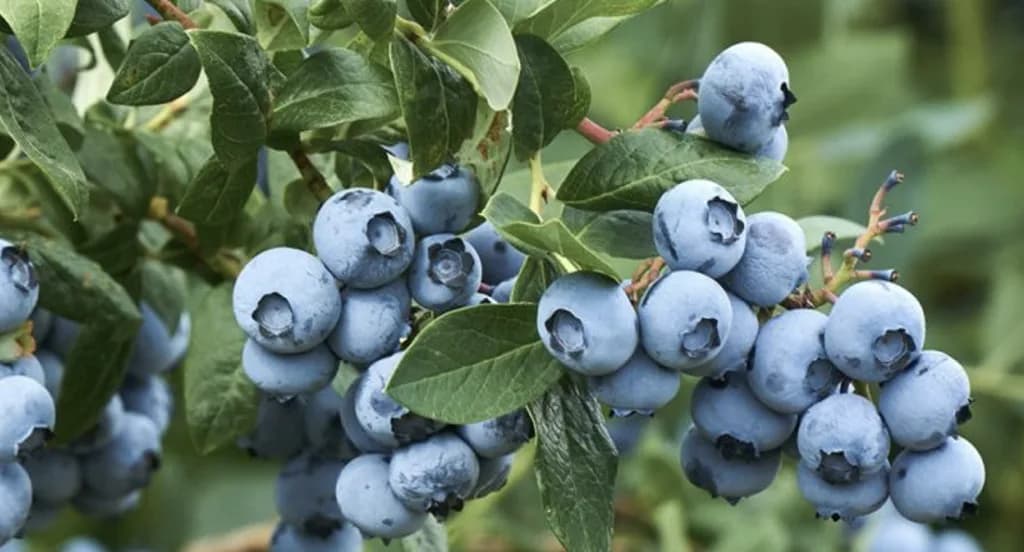
South Africa's blueberry season is set to begin in a few months, and farmers are determined to bounce back after a challenging 2022. The previous export season was hit by a two-week strike at Transnet ports during the peak export period of November, causing delays in getting blueberries to market and impacting pricing and quality
South African Blueberry Farmers Aim to Bounce Back After Challenging 2022 Export Season
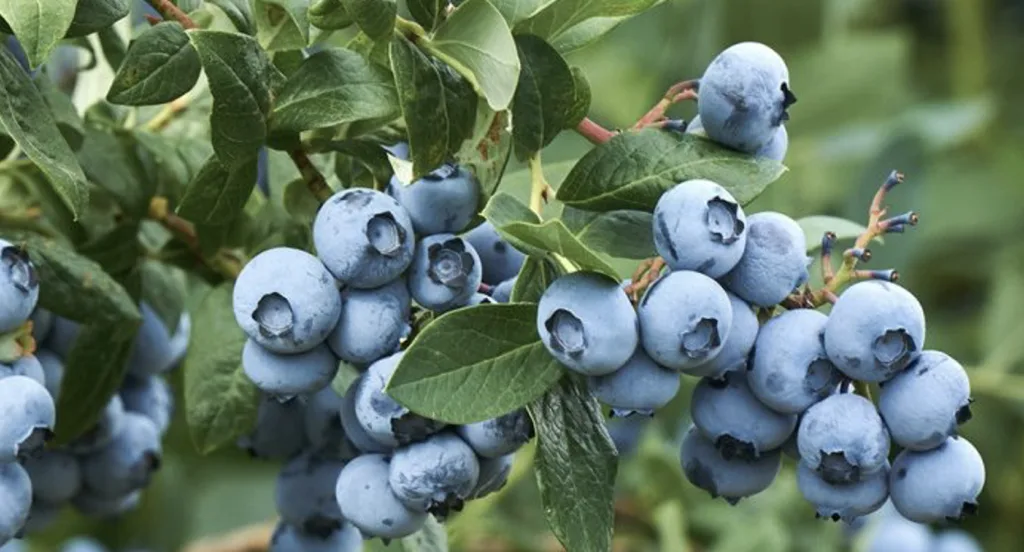
South Africa’s blueberry season is set to begin in a few months, and farmers are determined to bounce back after a challenging 2022. The previous export season was hit by a two-week strike at Transnet ports during the peak export period of November, causing delays in getting blueberries to market and impacting pricing and quality upon arrival. Brent Walsh, CEO of producer organisation Berries ZA, highlights the importance of getting quality blueberries to markets on time this season.
Blueberry farmers in South Africa typically export berries, including blueberries, worth around R3 billion annually. The labour-intensive harvesting process provides jobs for approximately 30,000 people. Last year’s strike impacted the ability to get blueberries to market on time, adding to the already steep increases in agriculture input costs like diesel and fertiliser. The full impact of South Africa’s energy crisis on the blueberry industry is still being determined, says Walsh.
To remain competitive, South African blueberry farmers are moving towards new varieties that can shift high-quality blueberries earlier into the season or later, depending on which markets they want to approach and to optimise the price. Farmers are also becoming strategic and creative around optimising cost centres in production, given the price pressures in traditional markets. The UK and European Union are the most important markets for SA blueberries. However, the demand for blueberries in Europe is currently low, so other markets like Singapore and Malaysia could prove valuable for SA blueberry exports.
China and Thailand are not currently open to blueberry imports, but other African countries like Angola and Nigeria are becoming more interested in South African blueberries as they become more affordable. Tiaan Rossouw, managing director of exporting company Rainbow Superfood, highlights the need for local blueberry exporters to look at every possible market with potential.
Berries ZA is working with Transnet to ensure that blueberry exports will go smoothly this season. The South African blueberry industry hopes for a better export season this year than the last. Improving yield and optimising cost centres in production are crucial to remain competitive in the market. As always, the timing of getting blueberries to market is of utmost importance.