South Africa will not give up coal
According to President Cyril Ramaphosa, abandoning coal as a fuel source is a myth that must be debunked. South Africa is caught in a catch-22 situation in which it needs to reduce its reliance on coal to comply with its Just Transition framework yet is still largely dependant on coal due to the current energy
South Africa will not give up coal
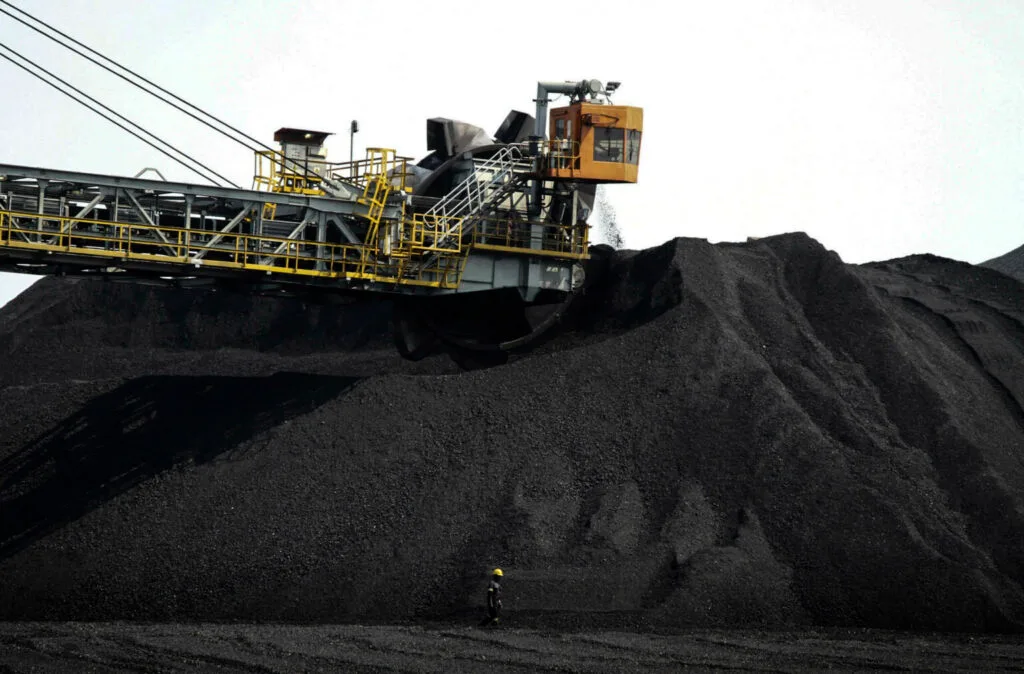
According to President Cyril Ramaphosa, abandoning coal as a fuel source is a myth that must be debunked.
South Africa is caught in a catch-22 situation in which it needs to reduce its reliance on coal to comply with its Just Transition framework yet is still largely dependant on coal due to the current energy crisis.
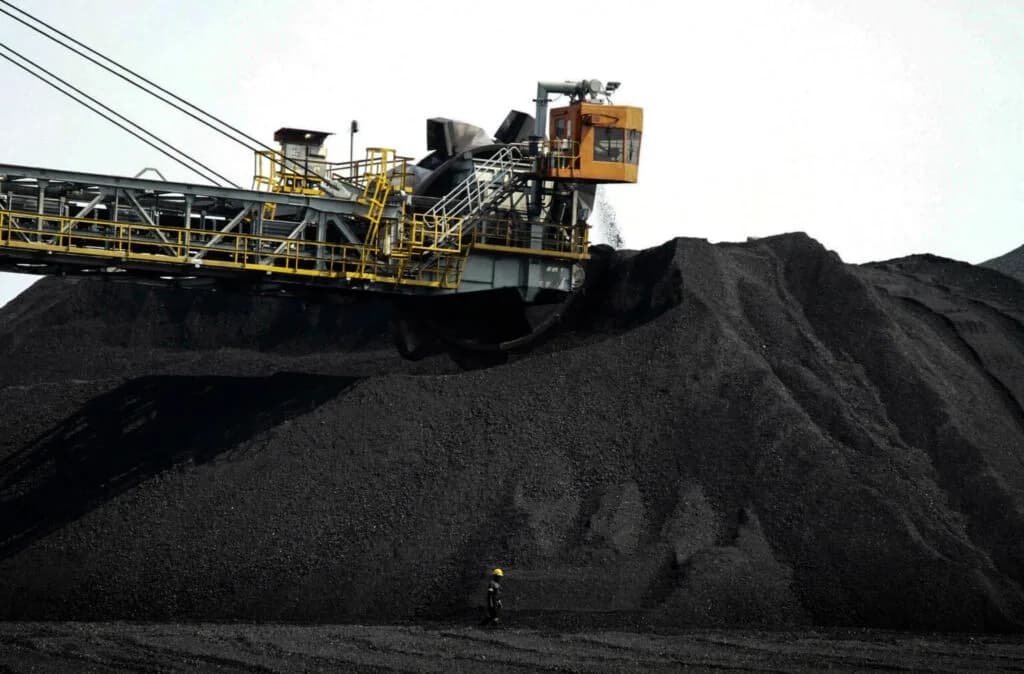
In response to the discussion over the State of the Nation Address (SONA) on February 16, the president stated that coal-fired power plants continue to produce 80% of the country’s electricity.
As a result, he believes that this will continue to provide the majority of South Africa’s “base load” supply in the future.
“We are committed to a future energy mix that consists of a diversity of energy sources, including coal, renewables, nuclear, gas, hydro, storage, bio-mass and other forms of energy,” said Ramaphosa.
“Through the work of the Presidential Climate Commission, the Presidential Climate Finance Task Team led by Mr Daniel Mminele, government departments and stakeholders, we have developed a clear, just and inclusive path towards a low-carbon economy and society,” said Ramaphosa.
Cabinet authorised the $8.5 billion plan to phase out coal in the later half of 2022. Foreign climate funds have been promised by some of the world’s wealthiest nations to repurpose and shut coal-fired power stations in South Africa.
The United States, United Kingdom, Germany, France, and the European Union are all members of South Africa’s Fair Energy Transition Partnership, which serves as a model for similar accords with coal-dependent emerging nations such as Vietnam, Indonesia, and India.
Despite this, there is no indication that the government would shut down the country’s newly completed mega power plants – Medupi and Kusile – which may possibly generate 8,000 megawatts when operational.
The government has pledged to achieve net-zero greenhouse gas emissions by 2050 and has implemented policies to encourage the usage of renewable energy from commercial sources. Nevertheless, this has been greeted with opposition by coal miners’ unions, who are concerned about job losses.
The approval of the just energy transition and the shift away from coal has also been divisive among political players, with coal supporters such as the minister of mineral resources and energy, Gwede Mantashe, who consistently reiterates his stance that coal is the country’s main driver of energy resilience.
Pollution
The ongoing use of already failing coal-fired power plants, as well as plans to increase emergency generation, endangers South Africans’ health.
Eskom is now seeking permission to increase the amount of a pollutant related to illnesses ranging from asthma to heart attacks.
The firm is seeking to decrease rolling blackouts by avoiding a flue-gas desulfurization unit, which eliminates hazardous gas from emissions at three of Kusile’s six units, the largest coal power plant outside of Asia.
Bypassing the pollution filter, according to Lauri Myllivirta, principal analyst at the Centre for Research on Energy and Clean Air, will likely boost the company’s sulphur dioxide emissions by eightfold.
Exportation
Coal is also a significant source of foreign currency and a big contributor to the country’s economy through worldwide coal exports; nevertheless, the industry is currently suffering headwinds.
Reuters reported in mid-January this year that coal shipments from the country’s Richards Bay Coal Terminal (RBCT) reached their lowest level since 1993 in 2022, at 50.3 million tonnes, due to failures to transport coal from mines to ports.
Transnet, the national freight and transportation provider, has performed poorly, resulting in the current 30-year low. Due to a collapsing rail system managed by Transnet, there is a shortage of sufficient volume for coal exports.
The Minerals Council allegedly wrote to Transnet’s chairman in December, requesting that the company’s management be removed.
Transnet and the Minerals Council have both declined to respond. Some sector leaders have backed the mining council’s decision.