South Africa should brace itself for a significant interest rate increase next week, according to economists
The Monetary Policy Committee of the South African Reserve Bank will meet next week to discuss the country's final rate hike decision for the year, with an announcement expected on Thursday, November 24. Given the weak economic outlook for South Africa in the third quarter, combined with still-high inflation, Investec chief economist Annabel Bishop expects
South Africa should brace itself for a significant interest rate increase next week, according to economists
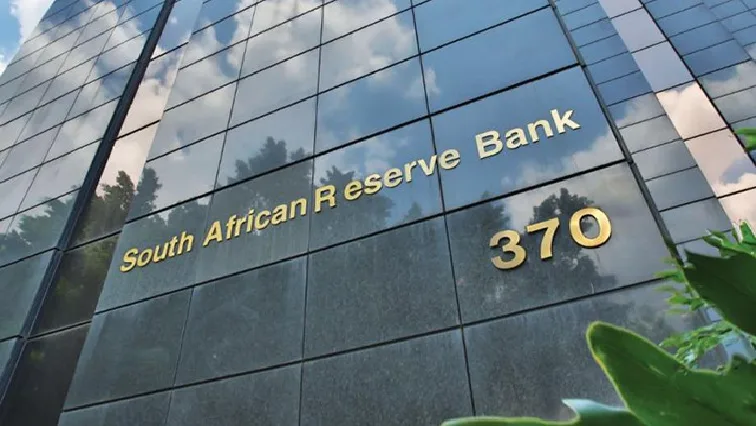
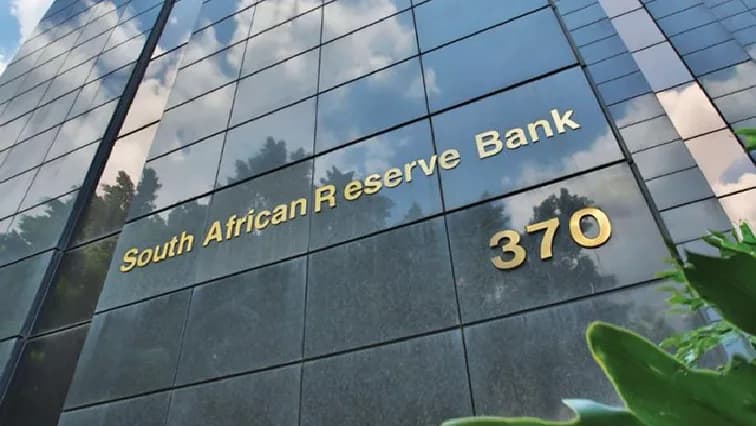
Image: Bongani Shilubane/ African News Agency (ANA)
The Monetary Policy Committee of the South African Reserve Bank will meet next week to discuss the country’s final rate hike decision for the year, with an announcement expected on Thursday, November 24.
Given the weak economic outlook for South Africa in the third quarter, combined with still-high inflation, Investec chief economist Annabel Bishop expects the central bank to raise rates by 100 basis points (bp) at the next meeting.
South Africa has been on a significant rate hike cycle, with hikes resulting from all five meetings held this year. The hiking cycle began a year ago (November 2021), with a 25bp hike, raising the repo rate to 4.75%. This had been increased to 6.25% by the September 2022 meeting, a 250bp increase in the previous year.
- November 2021: 25 basis point hike
- January 2022: 25 basis point hike
- March 2022: 25 basis point hike
- May 2022: 50 basis point hike
- July 2022: 75 basis point hike
- September 2022: 75 basis point hike
According to Bishop, South Africa’s hike cycle has followed the moves of international central banks but still has room to go.
“At the last MPC meeting, the committee discussed the possibility of a 100bp hike instead of the 75bp increase that was eventually delivered in South Africa’s repo rate – i.e. the members on balance choose the 75bp option. But this time around (the MPC) could deliver a 100bp lift,” she said.
“Currently, the US has hiked its interest rate by 3.75%, and SA by 2.75%, while the US is expected to hike by a further 50bp in December at its meeting on (14 December). Inflation is still high, despite having fallen in recent months, above both the US’ 2.0% implied target and SA’s 4.5% midpoint of its target range for the respective geographies’ inflation figures,” she said.
A 100bp hike would align South Africa’s hike cycle with that of the United States.
According to Reserve Bank governor Lesetja Kganyago, the hike cycle was implemented to combat rising inflation, which was 7.5% in September, well above the bank’s target range of 3% to 6%.
He added that the consequences of the central bank loosening its grip on inflation and falling behind global peers as rates are normalised would be “too costly” at 6.25%.
“The best chance we have with monetary policy to get faster, more job-rich growth is to maintain our focus on price stability with flexible inflation targeting, a proven framework,” he said.
Bishop noted that sentiment in the United States has begun to shift, with the Federal Reserve of the United States adopting a less hawkish stance on interest rates and implying a slowing in rate hikes.
“Communication from FOMC committee members have very lately become less hawkish, supportive of a rapid slowing in the US interest rate hike cycle from here. However, uncertainty still persists for policymakers and financial markets, reflected in volatility, while many risks to the outlook remain, including multifaceted risks,” she said.
Given the ongoing Russia/Ukraine conflict, and signs of a weakening commodity market as the year comes to a close, Bishop believes the Reserve Bank will be wary, balancing still-high local inflation with weak economic growth prospects for the third quarter.
“We expect a 100bp increase on balance,” she said.