South Africa Launches Digital Nomad Visa to Attract Skilled Remote Workers
In a significant move geared towards enticing skilled remote workers, the South African government has officially enacted its digital nomad visa regulations. This landmark development signals a pivotal stride in the country’s efforts to leverage the potential of the burgeoning digital nomad community. The newly introduced digital nomad visa extends an invitation to foreign professionals
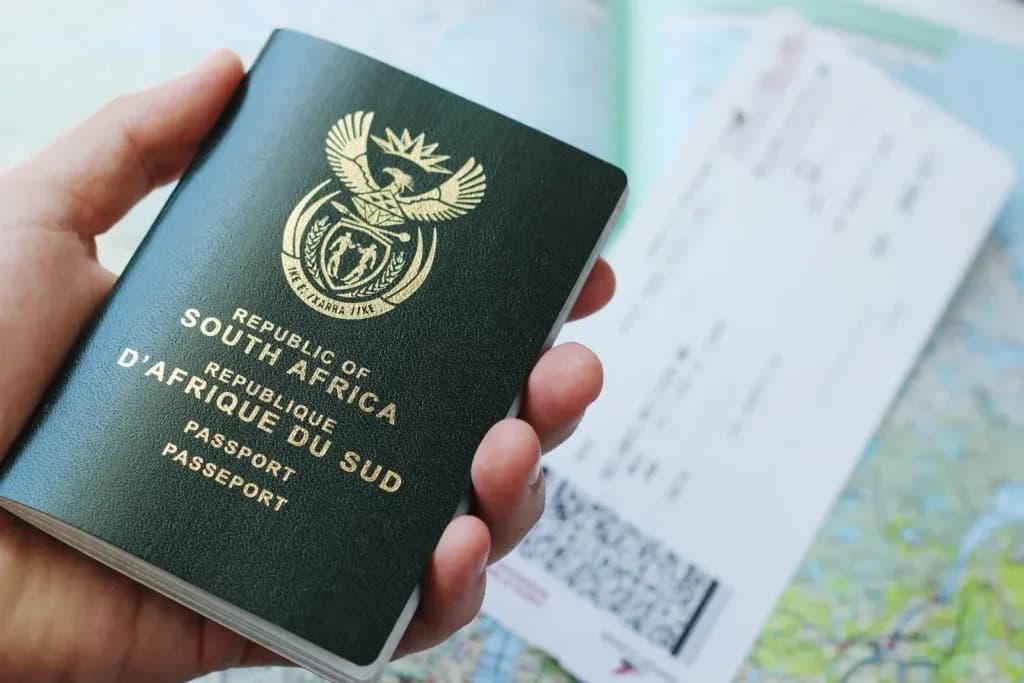
South-Africa-Launches-Digital-Nomad-Visa-to-Attract-Skilled-Remote-Workers
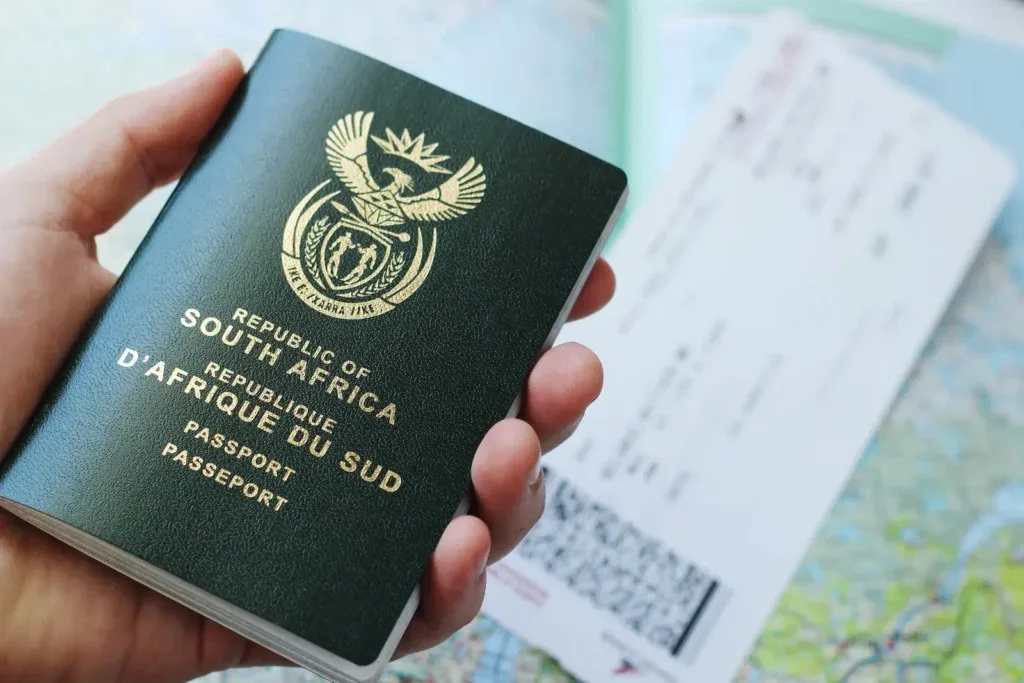
In a significant move geared towards enticing skilled remote workers, the South African government has officially enacted its digital nomad visa regulations. This landmark development signals a pivotal stride in the country’s efforts to leverage the potential of the burgeoning digital nomad community.
The newly introduced digital nomad visa extends an invitation to foreign professionals to reside in South Africa for an extended period, surpassing the typical duration granted by tourist visas. Targeting highly skilled individuals, particularly those in the technology sector, the visa enables applicants to work remotely for foreign companies while immersing themselves in the rich tapestry of the South African landscape.
Under the new regulations, digital nomads must meet a minimum annual salary threshold of R1,000,000 (approximately $53,000) to qualify for the visa. This requirement aligns with the government’s strategic objective of attracting top-tier talent to bolster the country’s tech ecosystem and stimulate economic expansion.
Notably, the digital nomad visa introduces an income tax exemption for foreign employees who work in South Africa for less than six months. This fiscal incentive is designed to further allure skilled remote workers, positioning the country as an enticing destination for individuals embracing a mobile lifestyle.
South Africa’s adoption of the digital nomad visa follows in the footsteps of other African nations, including Cape Verde, Mauritius, the Seychelles, and Namibia, which have already implemented similar programs. This regional trend underscores the growing recognition of the economic opportunities presented by the dynamic and increasingly influential digital nomad community.
The introduction of the digital nomad visa coincides with proposed amendments to South Africa’s immigration laws, including the implementation of a point-based system for assessing work visas. While public feedback was sought on these revisions, concerns have emerged regarding the final regulations’ alignment with the input received.
Nonetheless, the South African government maintains a positive outlook on the digital nomad visa’s potential impact. The country’s thriving tech start-up ecosystem, which has attracted substantial investment in recent years, stands to benefit from the influx of skilled remote workers. In 2021, local start-ups secured over $336 million in funding collectively, highlighting the vibrancy and growth potential of the technology landscape.
As South Africa embarks on this new chapter, the digital nomad visa aims to position the country as an attractive destination for global talent, fostering innovation, economic diversification, and a dynamic exchange of ideas and expertise.