
South Africa is getting new land expropriation legislation
The public comment period for the contentious new land expropriation legislation is coming to an end, with South Africans having until March 6, 2023 to give their thoughts. The Expropriation Bill, which had been rejected in 2021, was resurrected in 2022 and enacted by the National Assembly in September 2022. The measure was sent to
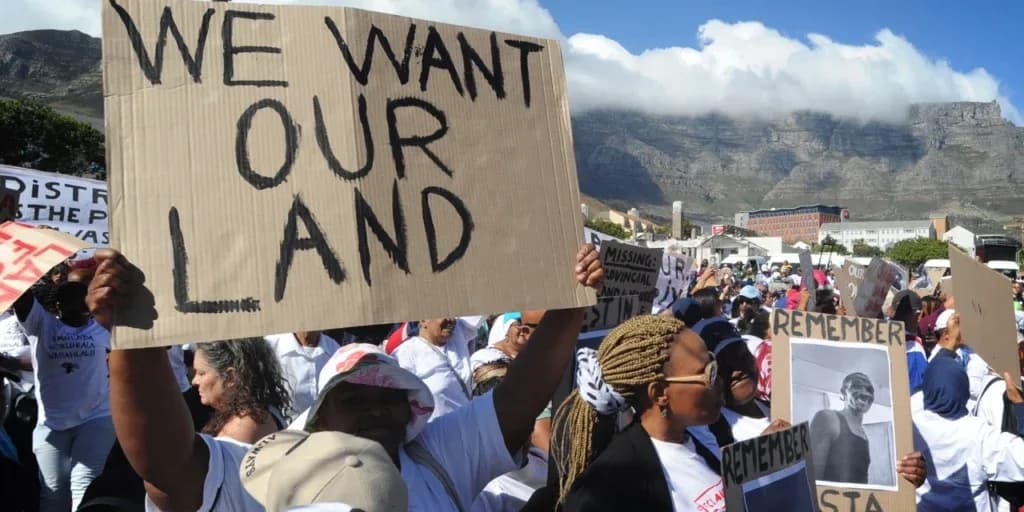
South Africa is getting new land expropriation legislation
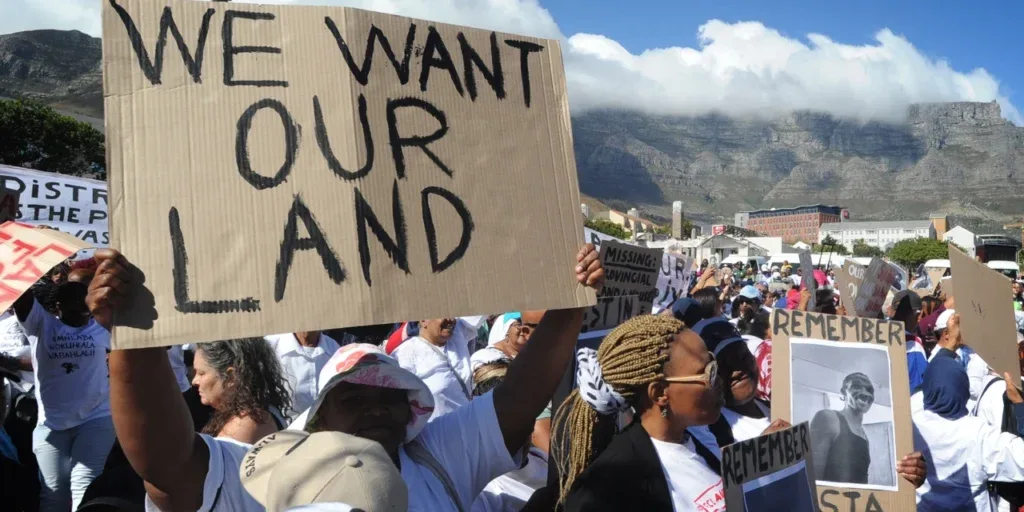
The public comment period for the contentious new land expropriation legislation is coming to an end, with South Africans having until March 6, 2023 to give their thoughts.
The Expropriation Bill, which had been rejected in 2021, was resurrected in 2022 and enacted by the National Assembly in September 2022. The measure was sent to the National Council of Provinces, which reopened public discussion on the proposed laws.
If the NCOP approves the measure, it will be sent to the president to be signed into law.
In general, the measure attempts to:
- Provide for the expropriation of property for a public purpose or in the public interest;
- Regulate the procedure for the expropriation of property for a public purpose or in the public interest, including payment of compensation;
- Identify certain instances where the provision of nil compensation may be just and equitable for expropriation in the public interest;
- Repeal the Expropriation Act, 1975 (Act No. 63 of 1975); and to provide for matters connected therewith.
In its current form, the law provides for land expropriation exclusively for public reasons and in the public interest, as provided in Section 25 of the Constitution.
While Section 25(3) mandates that the amount of compensation for land be “just and equitable,” reflecting an equitable balance between the public interest and the interests of those affected, the law allows for expropriation of land with “no compensation” under certain conditions.
This includes abandoned land, state land, and land owned for speculative reasons.
The goal of the expropriation bill, according to the National Assembly, is to abolish the existing Expropriation Act in order to create a common framework in accordance with the constitution to govern the processes and procedures for the expropriation of property by state organs.
The assembly also stated that it will look at cases when no compensation would be suitable in the public interest.
In a statement, it also stated that the portfolio committee on public works and infrastructure had interacted with the public and organised citizen organisations, political parties, and traditional leaders to provide feedback on the measure.
The ANC government has depended on the bill’s passage to continue its policy of land expropriation without compensation after failing to obtain the two-thirds majority required to amend the Constitution.
Opposition parties such as the DA and the Freedom Front Plus have opposed the measure and attempted to introduce amendments that limit its scope, such as limiting the regulations to state-owned property, but they were lost in votes.
Other parties, like as the EFF, have objected to the bill for the opposite reason, claiming that the laws go too far and that the state should work for the total nationalisation of all land under its control.
The parties, along with other civil action organisations, have warned that the measure is a danger to private land ownership and might result in state land grabs and property seizures. Furthermore, they cautioned that the mere prospect of expropriation without compensation would harm investor confidence and harm the economy.
The administration has dismissed these assertions as ‘fear mongering,’ according to the Department of Public Works and Infrastructure.
The agency stated that there would be no arbitrary land seizures and that regulations would not be put in place to re-enact what was done with private property under apartheid.
South Africans have until March 6 to submit comments on the bill.