
South Africa has a new proposal for student loans
According to the Department of Higher Education, Science, and Innovation, discussions have taken place with private banks about the possibility of a loan scheme backed by government guarantees to assist students in funding their studies in South Africa. The department was asked in a written parliamentary Q&A this week whether the private sector, particularly private
South Africa has a new proposal for student loans
According to the Department of Higher Education, Science, and Innovation, discussions have taken place with private banks about the possibility of a loan scheme backed by government guarantees to assist students in funding their studies in South Africa.
The department was asked in a written parliamentary Q&A this week whether the private sector, particularly private banks, would be approached to provide loans to so-called “missing middle” students for their studies.
The minister of higher education, Blade Nzimande, stated that no agreements with the banking sector had yet been reached; however, a new comprehensive student funding model for universities and colleges was being developed to assist these students.
The term “missing middle” refers to an income bracket that is too high for households to qualify for state assistance through grants and other social development initiatives, but too low for households to finance themselves due to financial constraints.
The minister stated that the department was considering the implementation of a loan programme backed by government guarantees for funding.
In terms of additional research on loan facilities – and whether they could create a debt trap, as seen in the United States – the department stated that it conducted earlier work on loan feasibility issues in 2016.
Recommendations based on the department’s findings are currently being debated. The research yielded a prominent recommendation for an income-contingent loan model that would work alongside the tax-collection authority.
“In investigating a possible future loan model, the department will be mindful of the student debt situation and the feasibility of collecting loans,” it added.
In South Africa, university fees have been a contentious issue, with many students forced to take out loans at exorbitant interest rates in order to obtain the qualifications needed to compete in the tight job market.
The minister announced a CPI-linked increase in tuition fees for 2022 at the beginning of this year, noting that the sector relies heavily on tuition and residence fee income from universities to remain operational.
An independent BusinessTech analysis found that the average cost of the first year of a degree in South Africa is around R62,000. Law and engineering degrees can cost between R49,390 and R62,598, respectively.
Residency fees and food allowances further complicate matters, driving up the cost of a good tertiary education.
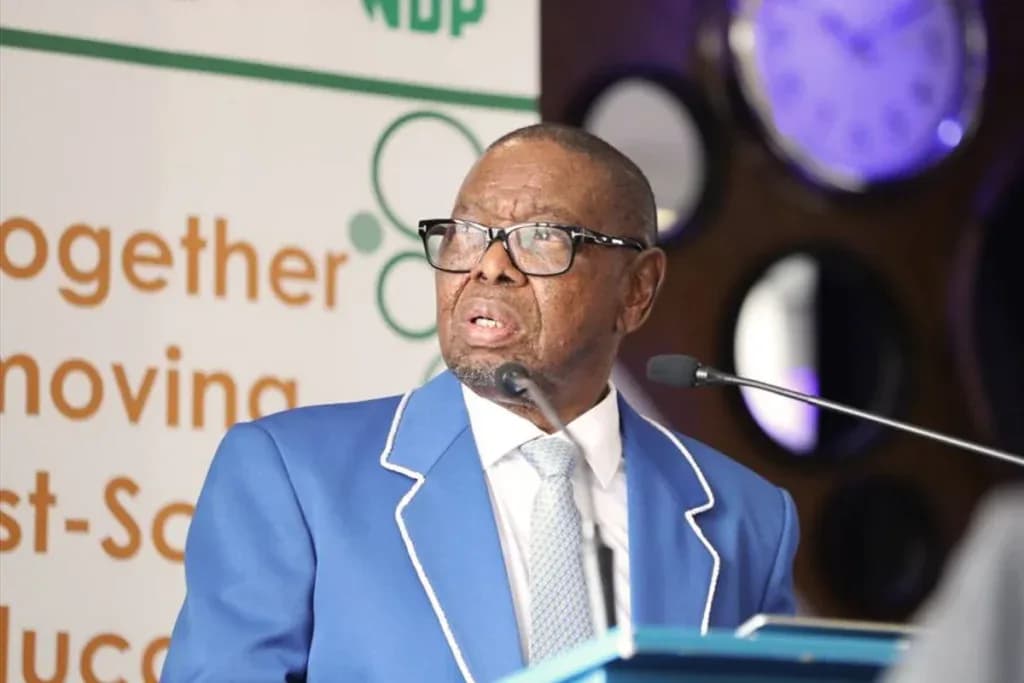
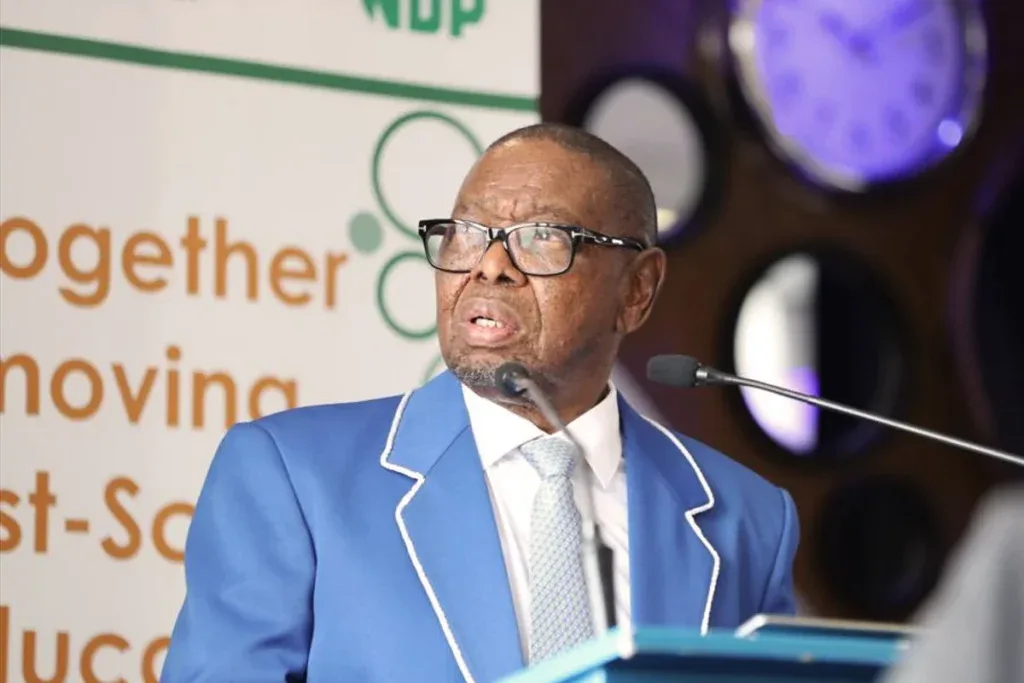
Nzimande said last week (17 November) at the UniZulu Inaugural Conference that the country had come a long way in providing free higher education to the working class and working poor.
He stated that the National Student Financial Aid Scheme (NSFAS) has grown significantly, assisting in the growth of the country’s black middle class and black professionals.
Minister @DrBladeNzimande interviewed by Daily News after addressing the #UNIZULUInauguralConference pic.twitter.com/hv62PblYtE
— HigherEduTrainingZA (@HigherEduGovZA) November 17, 2022