
Shoprite's New Cashless Convenience Shops: Potential Impact on Competitors
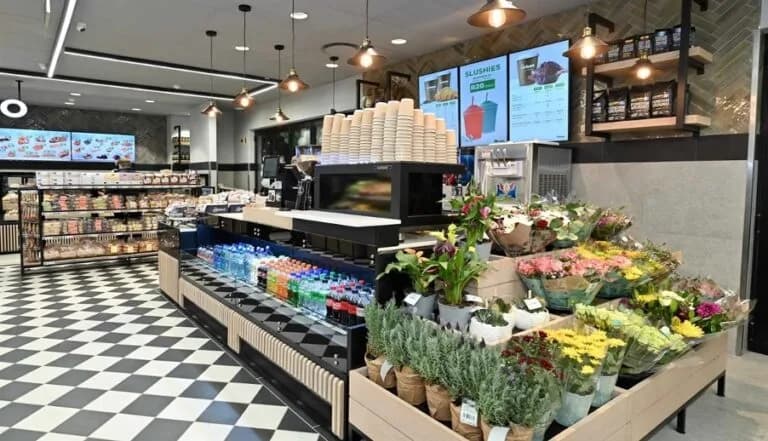
Shoprite has unveiled OK Urban, its new retail convenience offering, in a strategic move that could potentially disrupt the retail landscape. This initiative, however, has a twist: these stores will only accept digital transactions, effectively eliminating cash payments. The decision is influenced in part by the company's commitment to improving store security. As this innovative
Shoprites-New-Cashless-Convenience-Shops-Potential-Impact-on-Competitors
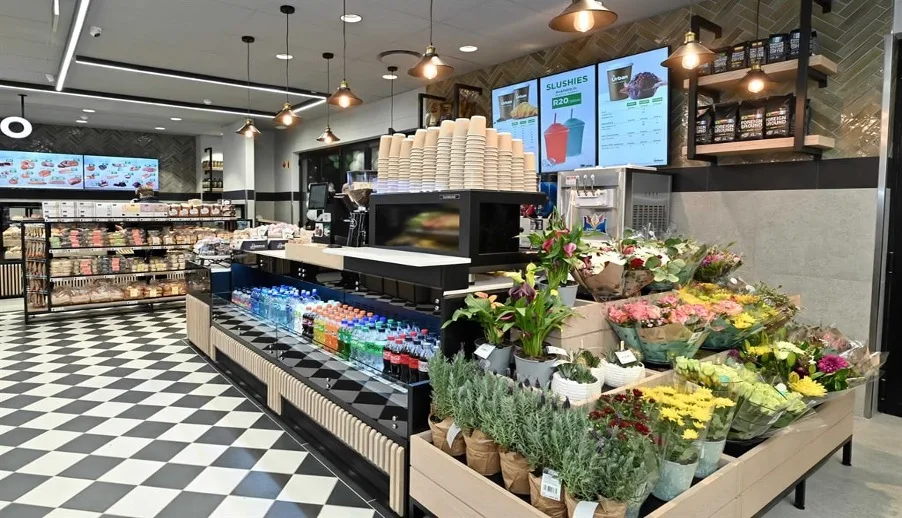
Shoprite has unveiled OK Urban, its new retail convenience offering, in a strategic move that could potentially disrupt the retail landscape. This initiative, however, has a twist: these stores will only accept digital transactions, effectively eliminating cash payments. The decision is influenced in part by the company’s commitment to improving store security. As this innovative concept gains traction, analysts are divided on which retailers may be most vulnerable to this development. This article investigates the implications of Shoprite’s cashless convenience stores, as well as the potential competitors who may bear the brunt of the consequences.
The first OK Urban store, in Durbanville, Cape Town, signalled the start of this novel approach. These businesses aim to provide customers with a variety of fresh and convenient products, which are supplemented by amenities such as an in-house bakery and a coffee shop. While Shoprite owns the first OK Urban location, the company intends to franchise future OK Urban locations in order to expand their market footprint and influence.
OK Urban stores are notable for their steadfast refusal to accept cash payments. The rationale for Shoprite’s policy revolves around the desire to reduce the risks associated with handling physical currency, thereby improving the overall safety and security of their operations. This is not an entirely new concept for Shoprite, as they previously introduced a cashless model with their UNIQ clothing store brand. Customers who use OK Urban will be able to use a loyalty card for transactions, which will provide both convenience and promotional benefits.
Shoprite’s commitment to sustainability is reflected in the OK Urban model. As part of their emphasis on environmentally responsible practises, the company has adopted digital leaflets in place of printed materials, while also providing shoppers with paper or reusable bags.
According to Chris Reddy, portfolio manager at All Weather Capital, Shoprite’s strategic moves appear to target a specific segment of customers, specifically those who traditionally shop at high-end retailers like Woolworths. Reddy compares the launch of the UNIQ clothing brand to the launch of OK Urban, implying that Shoprite is entering direct competition with Woolworths’ offerings in the fashion, beauty, and home divisions.
Reddy’s viewpoint highlights Shoprite’s expansion strategy, which not only spans multiple product categories but also aims to gain a foothold in the upscale retail market. Reddy sees the potential for rapid store expansion, based on Shoprite’s history of scaling various store formats, with UNIQ focusing on quality at competitive prices.
Casparus Treurnicht, portfolio manager and research analyst at Gryphon Asset Management, agrees, emphasising that OK Urban stores are a fresh and innovative take on convenience store formats. Treurnicht believes that these outlets will pose a challenge to independent retailers such as Spar, whose store layouts are similar to the “7Eleven” model. He claims that Shoprite’s audacious initiatives are motivated by a relentless pursuit of market share.
Sasfin Securities’ David Shapiro, a global equities strategist, praises Shoprite’s ability to innovate and highlights the success of initiatives such as the Sixty60 delivery service. Shapiro, on the other hand, believes that Shoprite’s ambitions to compete with Woolworths in terms of food and fruit quality may be hampered by Woolworths’ well-established cold chain. According to Shapiro, Shoprite could gain ground by targeting Spar and Pick n Pay in the fresh food and convenience segments.
While Woolworths may have an advantage in some areas, Shapiro is wary of underestimating Shoprite, citing their track record of prudent decision-making and adaptability. Shoprite’s entry into the world of cashless convenience stores represents a multifaceted strategy to penetrate diverse markets and appeal to a wide range of customer preferences.
Finally, Shoprite’s bold foray into cashless convenience stores via OK Urban represents a dynamic shift in the retail landscape. This strategic move has the potential to shake up competitors in a variety of retail segments, from upscale stores like Woolworths to independent retailers like Spar. As Shoprite continues to innovate and redefine its offerings, competition is likely to heat up, driving further evolution in the retail industry.