
Sappi Saiccor officially brags about R7.7 billion mill upgrade in KwaZulu-Natal
Paper and pulp company Sappi Saiccor officials were joined by President Cyril Ramaphosa when they opened the expansion and environmental upgrade project earlier this week. Ramaphosa was part of the R7.7-billion expansion and environmental upgrade project which was held in Umkomaas, KwaZulu-Natal. Sappi was represented by chairperson Sir Nigel Rudd, Sappi CEO Steve Binnie, and Sappi Southern
Sappi Saiccor officially brags about R7.7 billion mill upgrade in KwaZulu-Natal
Paper and pulp company Sappi Saiccor officials were joined by President Cyril Ramaphosa when they opened the expansion and environmental upgrade project earlier this week.
Ramaphosa was part of the R7.7-billion expansion and environmental upgrade project which was held in Umkomaas, KwaZulu-Natal.
Sappi was represented by chairperson Sir Nigel Rudd, Sappi CEO Steve Binnie, and Sappi Southern Africa CEO Alex Thiel.
On the part of Ramaphosa’s delegation were Trade, Industry, and Competition Minister Ebrahim Patel, KwaZulu-Natal Premier Nomusa Dube-Ncube, and Economic Development, Tourism and Environmental Affairs MEC Siboniso Duma.
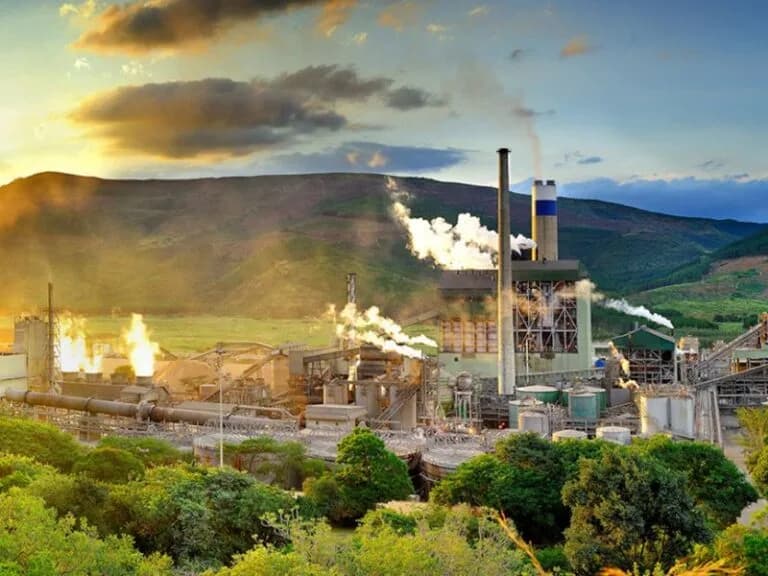
In a statement to the media, Sappi said the expansion and upgrades included a new evaporator, recovery boiler, screening and washing plant, as well as upgrades to the bleach plant and pulp machines, improved recovery circuits, and additional magnesium digesters.
According to the company chairperson, Rudd, he said the pipe bridge modularisation was a first for Sappi Southern Africa, which the company believed to be the largest of its kind in South Africa.
“The board believes the South African forestry industry is globally competitive and can make further substantial contributions to the South African economy. This investment reflects our confidence in our South African operations,” Rudd said.
It’s also announced that the improvements to the woodyard were carried out as well to enable smooth logistics supply chain operations.
Binnie said fabrics made from cellulose are different from other feedstock fibres in that they are breathable, absorbent, recyclable, and biodegradable.
“Sappi supplies over 50% of the world’s Lyocell demand, the next-generation textile material made from cellulosic fibres,” he explained.
“This expansion project not only meets customer demand for greater dissolving pulp production – and in particular Lyocell – but also significantly reduces the mill’s environmental footprint and supports Sappi’s decarbonisation journey, while also generating an additional R1-billion a year in direct benefit to the KwaZulu-Natal economy.”
Engineering News published that over 2 000 trucks of concrete were used, amounting to about 30 000 tons, as well as half the amount of steel that went into building the Eiffel Tower.
On top of that, the upgrades in the plant saw an additional 110 km of cabling installed, along with 56 km of piping and Thiel stated that the plant will ensure renewable energy use.
“The installation of the largest sulphite recovery boiler in the world and the conversion of the calcium cooking line to the more sustainable magnesium bisulphite technology reduces the need for coal-based power generation at the mill, leading to a significant reduction in fossil fuel energy requirements and increasing the mill’s renewable energy use, additionally realising considerable variable cost savings,” Thiel said.
New technology employed incorporates improved washing technology to improve water and energy efficiency, and better cooking technology for improved pulp quality control, among others.
Main Image: Sappi Plant/Sappi