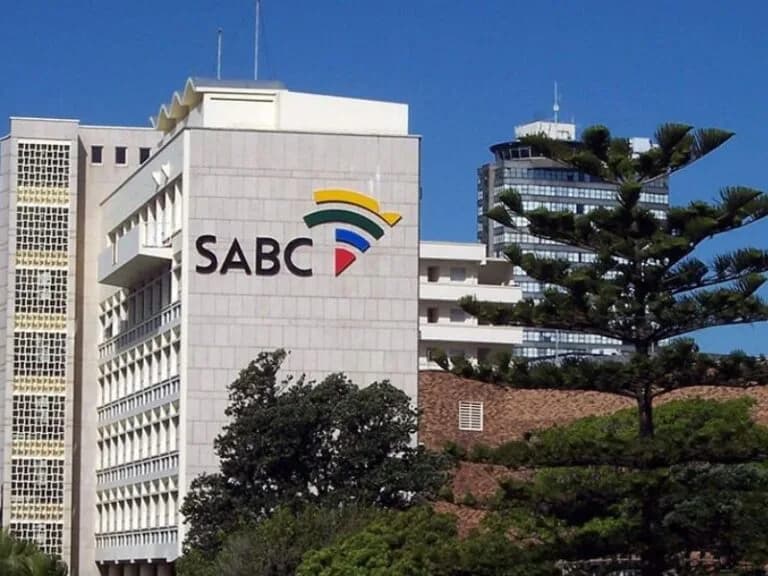
SABC to scrap TV Licences but introduce a new scheme to bring viability
The African National Congress is standing firm on its stance to push the South African Broadcasting Corporation to scrap television licences. Media reports indicate that the ANC wants the SABC to eliminate TV licences and rather introduce a new tax. EWN has it that communications minister Khumbudzo Ntshavheni, an ANC NEC member, reiterated the party’s
SABC to scrap TV Licences but introduce a new scheme to bring viability
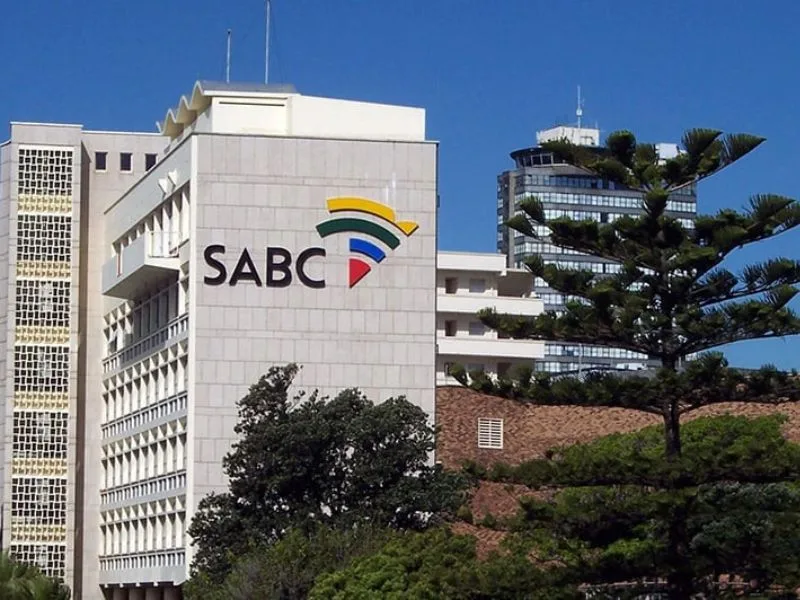
The African National Congress is standing firm on its stance to push the South African Broadcasting Corporation to scrap television licences.
Media reports indicate that the ANC wants the SABC to eliminate TV licences and rather introduce a new tax.
EWN has it that communications minister Khumbudzo Ntshavheni, an ANC NEC member, reiterated the party’s push toward an alternative method of taxing TV ownership during a policy briefing this past weekend.
Ntshavheni was quoted saying that the process of drafting the framework for the new method has already begun within the government itself.
This echoes previous statements and policy positions from the ANC in August 2022, where the party pushed forward with a proposal that a device-independent levy be charged – adding that the current licensing scheme is not working.
The ANC has noted in the past that it wishes for the SABC to be funded from the national fiscus, but it also finds it necessary to have a household levy/ public media levy.
The Auckland park-based broadcaster has a database of 10.5 million TV licence holders, with approximately 8.6 million currently not holding a licence.
“While there are legislative prescripts enabling imprisonment for non-compliance, the limited resources, and costs implications make enforcement economically unviable,” said the SABC.
The state-owned company added that the collection cost for TV license fees in South Africa had also increased to 8.9% in 2022 from 8.1% in 2021.
“The broadcaster’s annual performance plan, released in May 2022, showed the new levy would mean that South Africans who do not have a television set will still be required to contribute,” reports BusinessTech.
“In essence, the levy will apply to all households and businesses in the country, regardless of device, and will be based on access to content rather than actual viewing. You will have to pay the levy even if you do not consume SABC content as long as you have access to it on any device.
“The proposal went on to state that part of the levy’s revenue is expected to be collected by the ‘dominant subscription broadcaster’ – comprising of both DStv and Multichoice – on behalf of the broadcaster.”
As things stand, the majority of South Africans don’t pay their TV licences, affecting the SABC’s bottom line and the SABC believes the new scheme will aid in the company becoming financially viable.
In the financial reporting period in 2022, it reported a loss of R258 million and a negative cash flow of R353 million.
SABC’s working capital remains healthy, with a net current asset of R767 million but despite this, SABC expects to only break even in 2022/23.