SA Chamber of Commerce addresses load shedding impact on business
The South African Chamber of Commerce and Industry has lashed out at the ongoing power outages and said it will have serious implications for the economy. SACCI said on Wednesday that the load-shedding crisis would have serious implications for the economy as it hampers confidence and spooks foreign investors. This comes as the Fitch Ratings
SA Chamber of Commerce addresses load shedding impact on business
The South African Chamber of Commerce and Industry has lashed out at the ongoing power outages and said it will have serious implications for the economy.
SACCI said on Wednesday that the load-shedding crisis would have serious implications for the economy as it hampers confidence and spooks foreign investors.
This comes as the Fitch Ratings agency also said that the power crisis was the most acute aspect of South Africa’s current economic difficulties.
SACCI said the Business Confidence Index (BCI) dipped by 4.4 index points, sinking to 112.9 in January from 117.3 in December.
The availability of energy, specifically electricity, is of critical importance for the functionality of the economy and production processes.
According to media reports, BusinessTech Africa has gathered that historical data from SACCI showed that real gross domestic product (GDP) growth started to level off in 2008 when the first load shedding was announced by Eskom as electricity supply declined.
“It is most evident that consistent electricity supply is a critically important input in the economy – with causality that runs both ways. Before 2008, real GDP growth and electricity demand moved in tandem,” SACCI said per IOL.
“After 2008 it appears that GDP per unit of electricity increased with the economy becoming more energy efficient. From 2018 onwards, however, GDP growth became subdued indicating that the efficiency gains of the earlier period may have receded.
“It also implies that the severity of load shedding, notably at its present levels, has a stark direct adverse impact on real GDP growth and functioning of the economy.”
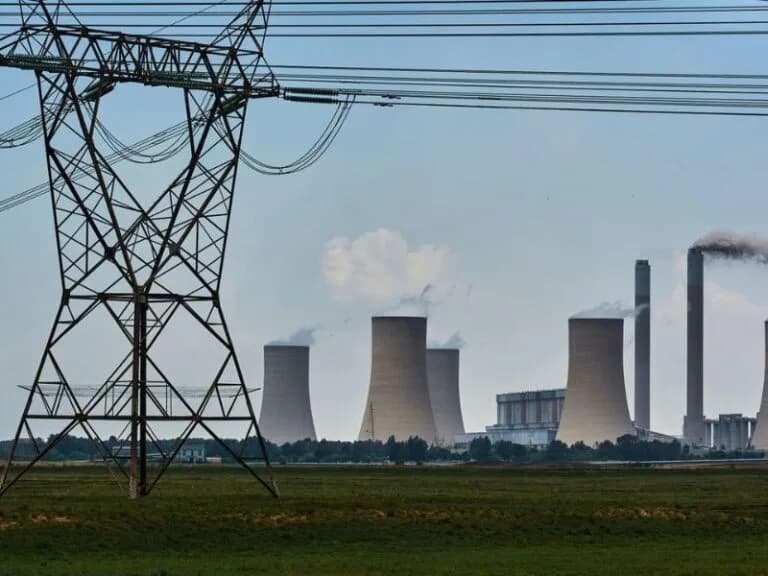
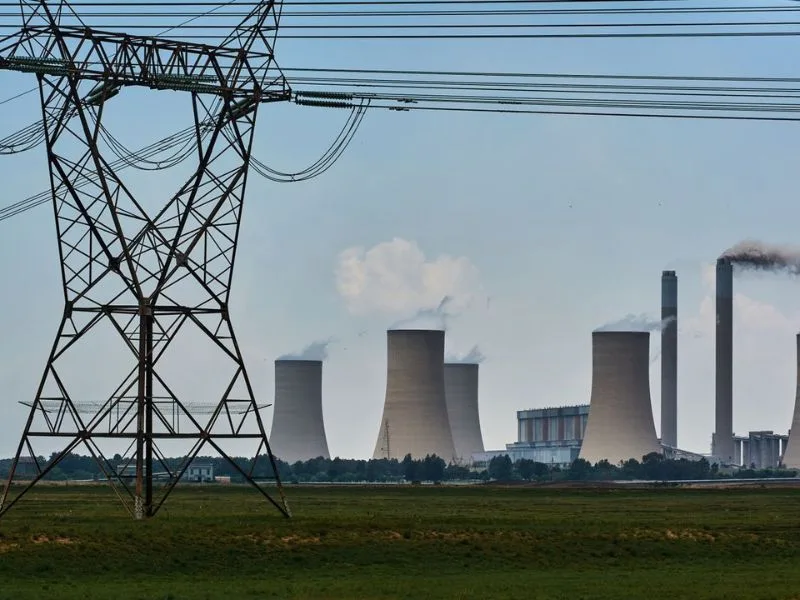
Due to Eskom’s failure to generate enough power for the country, things took a turn for the worse in January as the power utility implemented various stages of load shedding throughout the month due to an uncontrollable number of unplanned breakdowns at its coal-fired power station.
SACCI economist Richard Downing expressed that energy supply had a direct and severe negative effect on business confidence.
“The advantages of attracting foreign trade and direct foreign investments might speedily dwindle if the energy crisis is not addressed in a meaningful way,” Downing said.
“The immediate needs of improving Eskom’s current capacity constraints and restoring its full generating capabilities should receive urgent attention.”
Meanwhile, Fitch’s head of Africa sovereign ratings, Jan Friederich, said the declaration of the National State of Disaster on Eskom offered some headroom to absorb a temporary impact on economic metrics from load shedding.
However, a failure to address the problem over the medium term could add to downward pressure on the rating.
Friederich said South Africa’s low growth potential remained a key credit weakness, and that could eventually weigh on the sovereign rating should infrastructure problems cause a further decline in potential growth.
“When we affirmed South Africa’s rating at ‘BB-’ with a Stable Outlook in November 2022, we assumed that power shortages would not significantly improve in 2023, and would ease only gradually in 2024,” he said.
“The further deterioration of electricity supply goes beyond our base case and presents downside risks to our forecast from December that economic growth will average 1.1% in 2023.”