Rwanda (RAB) Imports German Dairy Bulls to Boost Artificial Insemination Programme
Rwanda National Agricultural and Animal Resources Development Board (RAB) has received an initial shipment of 10 Holstein-Friesian dairy bulls from Germany as it works to raise herd performance and lift milk output. The animals arrived on January 21, and RAB will route them into the national breeding programme through artificial insemination. RAB expects a second
Rwanda (RAB) Imports German Dairy Bulls to Boost Artificial Insemination Programme
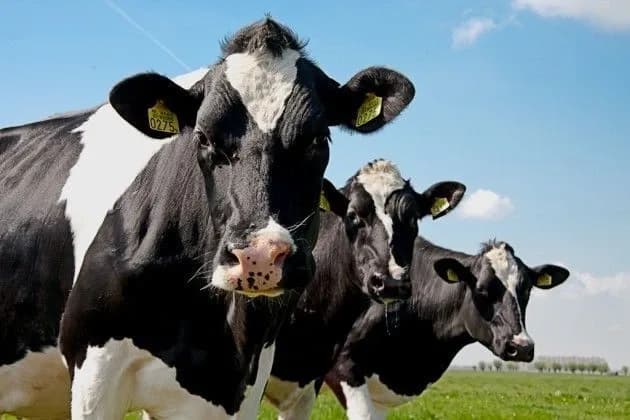
Rwanda National Agricultural and Animal Resources Development Board (RAB) has received an initial shipment of 10 Holstein-Friesian dairy bulls from Germany as it works to raise herd performance and lift milk output. The animals arrived on January 21, and RAB will route them into the national breeding programme through artificial insemination.
RAB expects a second shipment of 20 bulls by April 2026. The next batch will add more dairy breeds—Holstein-Friesian, Jersey and Brown Swiss—alongside beef breeds such as Angus and Charolais, extending the programme’s scope from milk production into meat improvement.
The imports form part of Phase II of the Rwanda Dairy Development Project (RDDP-2), which launched in 2024. The programme runs from 2024 to 2029, carries a US$100 million budget, and receives financing from the International Fund for Agricultural Development (IFAD). RDDP-2 focuses on strengthening Rwanda’s dairy value chain, raising milk quality standards, and improving output through genetics services and better on-farm support.
Building stronger herds without forcing farmers to buy breeding stock
RAB says the bulls will increase the supply of semen for Rwanda’s national bovine artificial insemination programme, giving farmers wider access to improved breeding material. By distributing semen through AI services, Rwanda can upgrade herd genetics without requiring farmers to purchase costly breeding animals.
In a statement, the agency said established breeders in Germany supplied the bulls and selected them for strong dairy traits. RAB estimates the genetics can support cows capable of producing more than 10,000 litres per lactation under good management—far above the yields many farmers currently achieve.
RAB also expects the beef breeds included in the next shipment to improve carcass performance over time, especially for farmers who keep mixed-purpose cattle for both milk and meat.
From Girinka to structured breeding systems
Rwanda’s livestock improvement drive began in 2006 with the launch of the “One Cow per Poor Family” programme, known locally as Girinka. The initiative helped rural households access improved dairy breeds, including Holstein and Jersey cattle, and laid the groundwork for broader genetic upgrading.
Since then, Rwanda has expanded crossbreeding, scaled up artificial insemination services, and strengthened veterinary and extension capacity. Successive dairy development programmes and the Strategic Plan for Agricultural Transformation, now in its fifth phase, have reinforced these efforts.
In its annual report published on December 31, 2025, the Ministry of Agriculture said national milk production rose by 29.3%, from 891,326 tonnes in 2021 to 1.15 million tonnes in 2025. Over the same period, livestock meat production increased by 25.5% to 219,523 tonnes.
Despite the gains, authorities say the dairy and meat sectors still have room to expand. Under the fifth phase of the Strategic Plan for Agricultural Transformation, Rwanda aims to raise national milk output to 1.32 million tonnes by 2029 and increase meat production to 247,223 tonnes.