President Ramaphosa's plan to decrease and eventually eliminate load-shedding
South Africa's National Energy Crisis Committee, which is overseen by President Cyril Ramaphosa's office, anticipates record power outages to improve as measures put in place, such as a new law to expedite plant building, take effect. The group, which includes many cabinet ministers, informed business and labour leaders on Monday that a variety of measures
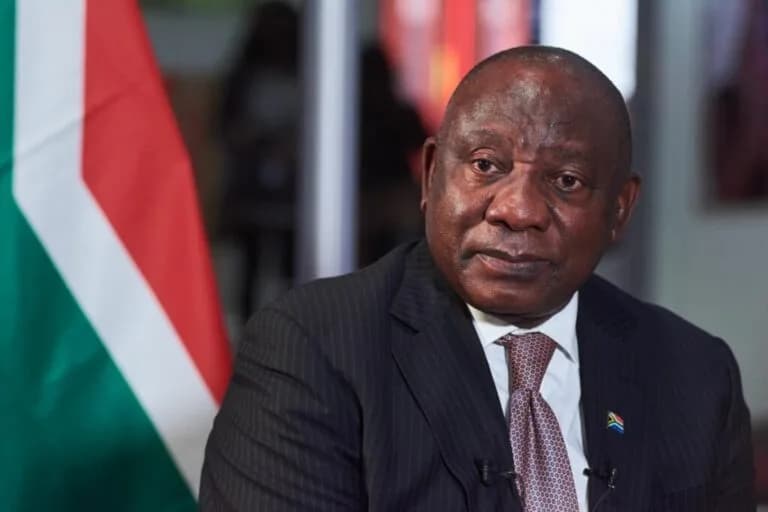
President Ramaphosa's plan to decrease and eventually eliminate load-shedding
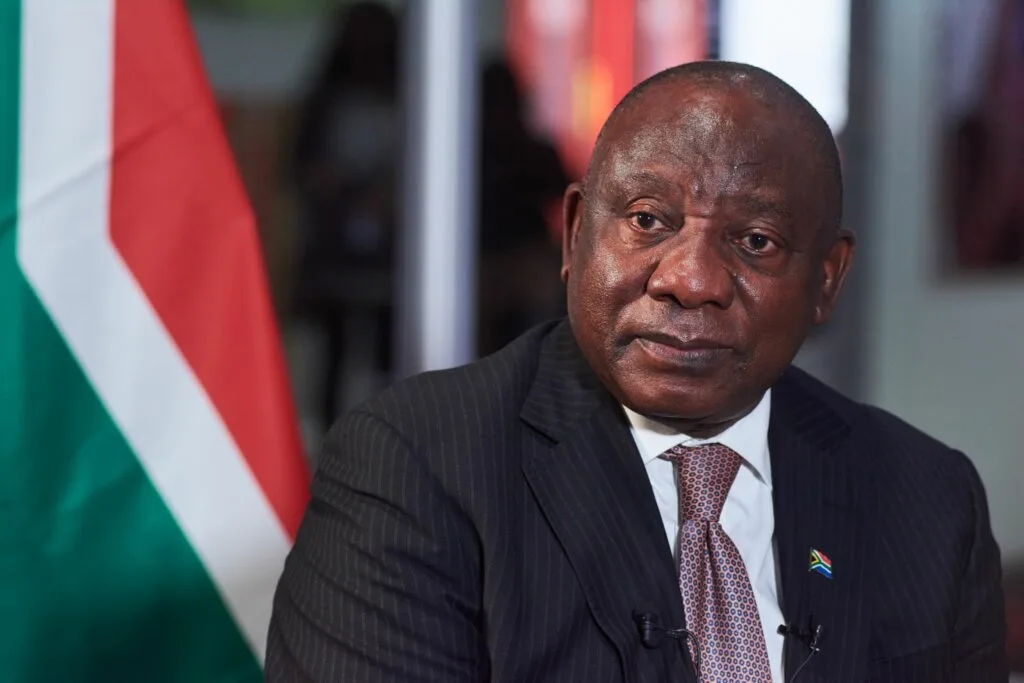
South Africa’s National Energy Crisis Committee, which is overseen by President Cyril Ramaphosa’s office, anticipates record power outages to improve as measures put in place, such as a new law to expedite plant building, take effect.
The group, which includes many cabinet ministers, informed business and labour leaders on Monday that a variety of measures had been taken at a time when South Africans were experiencing blackouts lasting up to 12 hours per day.
“As these measures take effect, the supply of electricity will significantly improve,” the committee, known as Necom, said in a presentation sent to Bloomberg by Ramaphosa’s office.
South Africa’s government has come under fire after power outages occurred on 205 days last year and on every day so far in 2023.
Ramaphosa cancelled his travel to Davos to undertake crisis meetings with power provider Eskom Holdings SOC Ltd., labour organisations, and businesses.
Among the actions suggested by Necom to alleviate the problem are:
- The first of more than 100 privately owned power plants being developed will connect to the grid by the end of this year. In total, the planned projects could produce 9,000 megawatts, much of it for the companies’ own use.
- Emergency legislation is being developed to allow the faster approval and development of power plants.
- Contracts for the construction of plants that will produce 2,800 megawatts of renewable energy for the grid have been signed, and construction will soon begin.
- As much as 1,000 megawatts may be imported this year from neighbouring countries and Eskom, will buy 1,000 megawatts of excess energy from private producers who already have facilities.
- Six of Eskom’s 14 coal-fired power plants have been “identified for particular focus” in a bid to get them to perform more reliably.
- Efforts to finish incomplete plants and maintenance of other major units are being made.
- The time to complete regulatory processes for new plants has been reduced.