Prepaid electricity in South Africa is changing a lot
This year, the cities of Johannesburg and Tshwane will undertake campaigns to upgrade prepaid power metres in the metros. By November 24th, 2024, the country's present prepaid power voucher system will run out of voucher sequences for the unique tokens issued uniquely for each metre. The present Standard Transfer Specification (STS) system, which has been
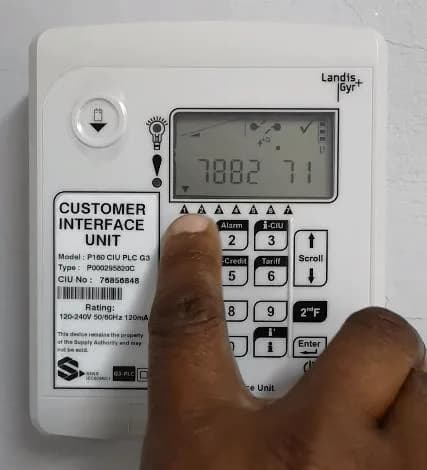
Prepaid electricity in South Africa is changing a lot
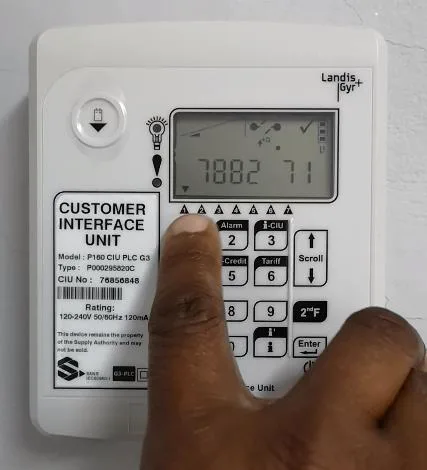
This year, the cities of Johannesburg and Tshwane will undertake campaigns to upgrade prepaid power metres in the metros.
By November 24th, 2024, the country’s present prepaid power voucher system will run out of voucher sequences for the unique tokens issued uniquely for each metre.
The present Standard Transfer Specification (STS) system, which has been in existence since 1993, will cease to issuing voucher sequences on this day.
The STS allows you to generate tokens that can only be used by the specified metre, and in the case of credit tokens, only once in that metre.
When the time comes, the prepaid metres will no longer accept new credit tokens and will cease supplying power after the present credits have been depleted.
Any tokens created after this date that use the 24-digit number will be rejected by the metres as old tokens.
The meter’s token identifying system is a security precaution that ensures a token may only be used once and for the metre number for which it was purchased.
City Power in Johannesburg and the City of Tshwane are both beginning programmes to upgrade or replace obsolete smart metres, with Tshwane going even farther by transitioning all customers, residential and commercial, to a prepaid system as part of a multi-year effort.
Tshwane will also use the upgrading initiative to detect metres that have been tampered with and prosecute anybody involved in any illegal activity.
Johannesburg
According to the City of Joburg, the prepaid metre limitation is system-linked and was not anticipated – but it has acknowledged customer fear following rumours that the government was behind schedule in performing the modifications.
“We certainly do not want to scramble at the last minute and want to ensure that prepaid electricity customers continue to receive services when the new system kicks in towards the end of 2024,” the city said.
The city advised citizens to work with authorities when they came around to repair or enhance the systems, but warned them to always check for evidence of appointment to identify an official.
City Power official staff cards will have the following information:
- Name of the official
- The ID number of the official
- The department where the official is from
- And an expiry date written on a colour-coded strip: –
- Blue – permanent employees
- Green – Meter readers
- Purple – Contractors
- Red – Cut off teams
- Black – Interns/ temporary staff
“On the back of the card, there is a hologram of City Power’s Firefly logo and the contact numbers for the Risk Team should you want to verify the staff member’s ID number,” the city said.
Tshwane
The City of Tshwane has said that it is preparing to replace its present prepayment metering software systems, including PCMA and Suprima, to be compliant with the essential modifications in order to continue operating until 2024.
“This upgrade is required due to a limitation on the old software that was a function of its security measures,” it it stated.
The cost of updating the ICT servers is R5.2 million. Following the upgrade of the city’s servers, the city will begin updating customers’ metres as part of a year-long effort.
“We anticipate completing this process by the end of 2023, which will ensure that our project is complete before the upgrade is needed, allowing customers to smoothly transition with no challenges,” it said.
“We will also use this opportunity to revisit our prepaid metering fleet as part of a revenue protection operation to check the functioning of all meters. Where meters are damaged or have been tampered with, we will take the appropriate action.”
The city stated that the switch to prepaid metering is in accordance with a national order to convert all municipal energy metres to prepaid, as well as the city’s own bylaws, which were passed in 2017 in accordance with that directive.
“All customers are being moved to prepaid, whether residential or commercial, as part of a multi-year project. We will continue to update and improve our metering solutions, and ensure that it works for our residents and the city,” it said.