
Pick n Pay bans barrier bags, Woolworths continues to promote reusable shopping bags
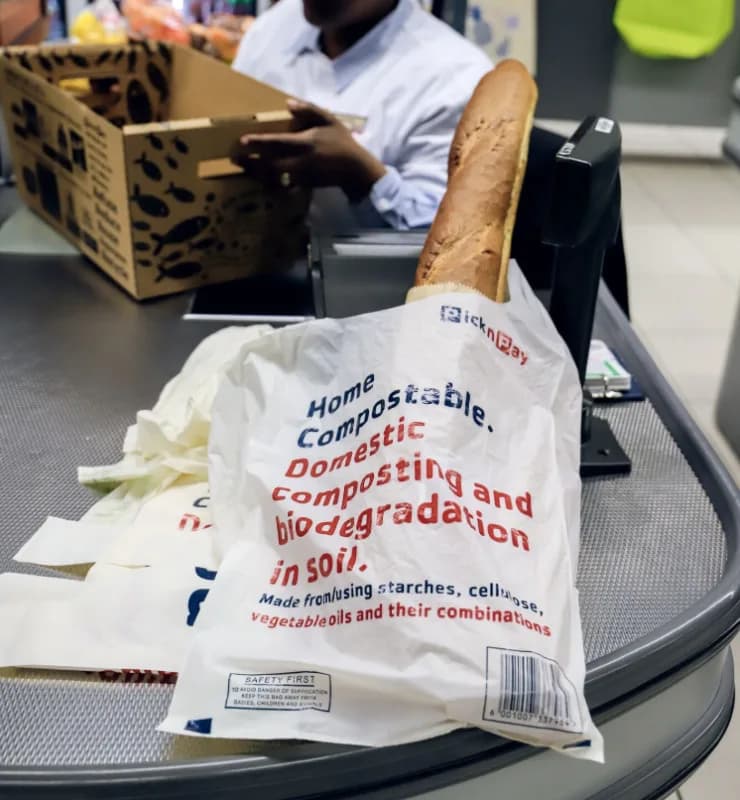
Pick n Pay has removed all plastic 'barrier' bags from its checkouts, preventing 20 million of these little bags from entering the environment. Stores have long utilised barrier bags to segregate certain items such as fresh vegetables, toiletries, or cleaning supplies from other foods. Pick & Pay's barrier bag ban comes in the footsteps of
Pick n Pay bans barrier bags, Woolworths continues to promote reusable shopping bags
Pick n Pay has removed all plastic ‘barrier’ bags from its checkouts, preventing 20 million of these little bags from entering the environment. Stores have long utilised barrier bags to segregate certain items such as fresh vegetables, toiletries, or cleaning supplies from other foods.
Pick & Pay’s barrier bag ban comes in the footsteps of competitor Woolworths, which banned single-use plastic bags and replaced them with recycled black bags.
However, public jokes about Woolworths’ black bags, which customers kept forgetting to bring back to the shop with them, prompted the company to launch a programme in which customers may return unwanted bags for other customers to use.
“The objective of our reusable shopping bag initiative is to change consumption behaviour and to reduce our reliance on single-use plastic,” says Latiefa Behardien, Woolworths Foods chief technology and sustainability officer.
“All our food markets are single-use plastic shopping bag-free, which has resulted in a substantial increase in the demand and use of reusable shopping bags.
“We are committed to circularity and reducing single-use consumption, so we challenged ourselves to ensure that the broken or worn reusable bags are disposed of responsibly and given a new life, and for excess bags to be reused, reducing the need to purchase more.
“Last year, as part of our vision for zero packaging waste to landfill, we started engaging with local recyclers to test various second-life products for our reusable bags and started trialling recycling ‘drop-offs’ at our tills in selected stores.
“The objective of the trial was to test our reverse logistics system, as the bags need to be returned with our other recyclable store waste to our distribution centres where it is then sorted before moving on to recyclers for second-life trials,” confirms Behardien.
With the expansion of reusable bag recycling drop-off locations to an extra 100 stores, Woolworths and recyclers hope to be able to test several second-life solutions on a larger scale in order to finalise the optimal choice for used reusable bags and finish the circle.
Customers have responded well to the “Bring a Bag/Take a Bag” campaign, which allows them to drop off their surplus reusable bags that are still in excellent shape for other customers who have forgotten theirs, to use and return thereafter.
“Based on our customer feedback and a great suggestion from ‘The Good Things Guy’ – Brent Lindeque – we trialled a ‘bag share’ initiative – ‘Bring a bag/Take a Bag’ in four stores and we are delighted to be rolling it out to an additional 100 stores across the country.
“An additional win-win is that the in-store equipment to house the bags has been made locally by a black-owned shopfitting company that we have been working with for over 10 years, and the in-store structures are made from 100% recycled content, which used to be yoghurt tubs, toothpaste tubes or chip packets, and would most likely end up in landfill,” said Behardien.
“While recycling alone cannot solve the world’s pollution problems, it has significant potential to impact cleaning up our waste systems, creating jobs and reducing the use of virgin plastics. Every step of the way helps to bring about a cleaner, safer country for all,” she said.
Vaughan Pierce, ESG executive at Pick n Pay, says the company has been on a journey to reduce problematic single-use plastic packaging.
“These small, clear, plastic barrier bags are not currently recycled effectively, and by removing these at till points, we can play a part in reducing reliance on unnecessary single-use plastic.”
Pick n Pay will continue to provide barrier bags in its fruit and vegetable department for loose produce, but will urge consumers to use alternatives, such as reusable netting produce bags, which are available in all of its stores across the country.
This important move comes on top of the tonnes of plastic that it already keeps out of landfills and the ocean as it works towards its 2025 plastic waste reduction objectives.
More than 10,000 tonnes of plastic have been collected from the environment in the last five years to create Pick & Pay’s 100% recyclable blue plastic bags. Since 2018, over 11 million plastic bottles have been recycled to make its reusable shopping bags.
These are some of the retailer’s accomplishments as it takes the lead in local and worldwide collaborative initiatives to achieve long-term goals for the plastics value chain.
Pick n Pay is a founding member of the SA Plastics Pact, which was formed in January 2020 to establish a common commitment to guarantee that plastic is never wasted or polluted.
Pick n Pay agreed to many 2025 commitments, including guaranteeing that 100% of its private label packaging is reusable or recyclable. This figure has risen from 67% to 80% in the last two years as a result of numerous developments.
“We all need to accelerate the transition from a linear to a circular economy of packaging, as this will drive positive change on a much larger scale,” says Pierce.
“Packaging, particularly plastic, plays an important role in protecting products and reducing food waste. By committing to creating a system where packaging is treated as a valuable resource that can be used, reused, collected and recycled in a closed loop, it supports the principles of a circular economy.”
Pierce says that Pick n Pay’s recycling commitment extends to boosting the use of recycled materials in garments and store renovations.
Pick n Pay Clothes sold 1.5 million articles of clothing with recycled components in 2021.
“We regularly introduce new reusable plastic bags, which are 100% made from locally recycled plastic bottles. Each with a unique design, these promote sustainable shopping habits as customers reuse the same shopping bag. But the designs also create awareness and funding for local non-profit organisations as proceeds from these bag sales go to selected charities,” Pierce says.