
NVIDIA reinstates Jensen Huang as CEO: What his return means for businesses relying on AI
NVIDIA has reinstated co-founder Jensen Huang as CEO less than two weeks after announcing his departure. The board's decision follows an internal review, but questions around national security and international chip sales remain.
NVIDIA
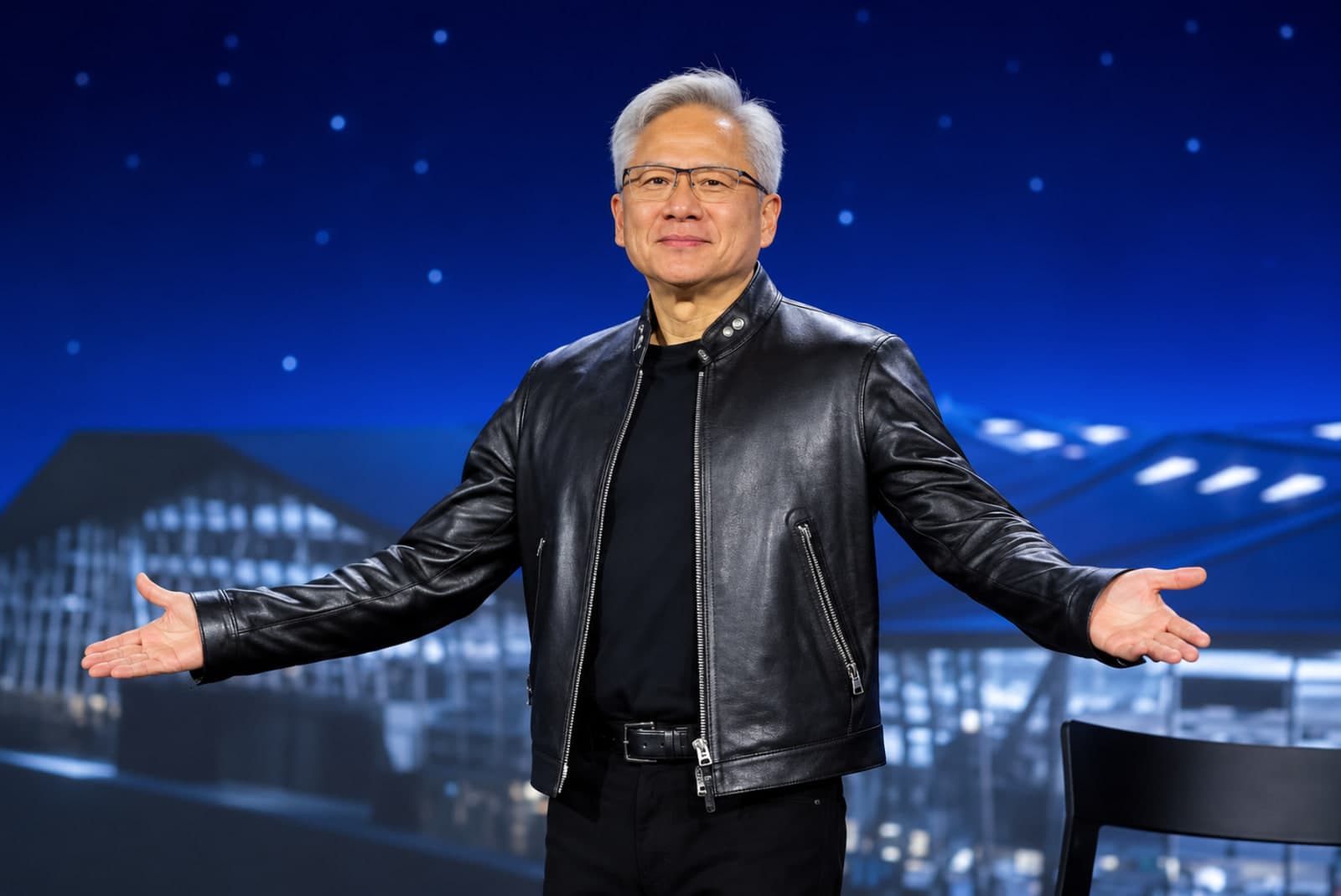
NVIDIA has reinstated Jensen Huang as president and chief executive officer, reversing a leadership change that had raised questions about the future direction of one of the world's most important technology companies.
AI-generated summary. It can miss nuance — read the full story above for the complete picture.
NVIDIA has reinstated Jensen Huang as president and chief executive officer, reversing a leadership change that had raised questions about the future direction of one of the world's most important technology companies. The decision was announced on 23 November after the company's board voted unanimously to bring Huang back. He also resumes his position as a board director, while Harvey C. Jones remains board chair. Colette Kress, who served as interim CEO during his absence, will continue as chief financial officer.
Huang's return follows his departure earlier in November amid reports that he had been the target of a foreign intelligence effort. NVIDIA's board appointed independent legal advisers to investigate the matter. The board says it received input from senior US government officials and is satisfied that Huang's reinstatement does not pose a national security risk. However, the investigation will continue, and Huang has agreed to cooperate. For NVIDIA, the decision brings back the executive who has led the company through its expansion from a graphics processor manufacturer into a major supplier of artificial intelligence chips.
Why businesses should pay attention
“Businesses may not buy NVIDIA chips directly, but the availability and cost of computing power can still affect their AI projects.”
NVIDIA's products are used by technology companies, cloud service providers and data centre operators to build and run AI systems. Its processors have become an important part of the infrastructure behind generative AI, machine learning and other advanced computing services. This means developments at NVIDIA can have an impact beyond the company itself.
Businesses investing in AI infrastructure rely on access to processors, software and technical support. Any uncertainty around NVIDIA's leadership, production plans or ability to sell into particular markets can affect suppliers, customers and companies planning their technology investments. Huang's return provides some continuity for those businesses. It also means NVIDIA can continue operating under the leadership that has overseen its growth during the current AI investment cycle. However, there is no indication in the reinstatement announcement that NVIDIA is changing its product roadmap, pricing or supply commitments. Businesses should therefore distinguish between the leadership development and any actual changes to the services or hardware they purchase.
Chip exports remain a business concern
One of the bigger issues facing NVIDIA is the growing difficulty of selling advanced processors across international markets. US export restrictions have placed limits on the sale of certain high performance chips to China. This creates challenges for NVIDIA when deciding which products it can sell in different markets and how it manages relationships with international customers. For businesses operating data centres or developing AI products, access to suitable hardware is important. Restrictions can affect which processors are available, where they can be purchased and the cost of building new computing capacity.
NVIDIA has now established a National Security and Export Control Committee made up entirely of independent directors. The committee will oversee trade compliance and national security risks. The company is also looking for a chief compliance officer who will oversee compliance across the business and report to the board's governance committee. These changes show that export controls and national security issues are receiving greater attention at board level, rather than being treated only as operational matters.
What does this mean for African businesses?
For African companies investing in artificial intelligence, NVIDIA's position matters because access to computing infrastructure remains an important part of developing and deploying AI solutions. Banks, telecommunications companies, financial technology businesses and startups are exploring AI applications ranging from customer service and fraud detection to data analysis and automation.
Many of these businesses depend on cloud providers and technology partners that use NVIDIA hardware. They may not buy chips directly, but the availability and cost of computing resources can still affect their projects. For startups, particularly those developing AI products, the cost of accessing computing power is an important consideration. A change in hardware availability or pricing can influence how much money they need to raise, which cloud services they use and how quickly they can expand. There is also a lesson for businesses that rely heavily on one technology supplier. Having alternative cloud providers, infrastructure partners and technology options can help reduce exposure when a major supplier faces operational or regulatory challenges.
NVIDIA still has questions to answer
Huang is back, but the board's investigation has not ended. NVIDIA has also committed to cooperating with ongoing government investigations and inquiries. The company now has to manage these matters while serving customers in a market where demand for AI computing remains high. For businesses using NVIDIA technology, the immediate leadership uncertainty has eased. But the issues surrounding international chip sales, compliance and access to advanced processors remain important.
The bigger concern for customers is not simply who occupies the CEO position. It is whether NVIDIA can continue supplying the technology that businesses are building their AI plans around, without disruptions caused by regulatory restrictions or internal governance problems.