Nigeria on the path to Restoring Nationwide Power Grid Stability
Nigeria is in the process of restoring power nationwide following a significant grid collapse that affected all 36 states and the capital city. The outage, which lasted approximately 10 hours, was attributed to a fire incident within one of the country's power plants, leading to sharp frequency drops and ultimately causing a grid failure. This
Nigeria-on-the-path-to-Restoring-Nationwide-Power-Grid-Stability
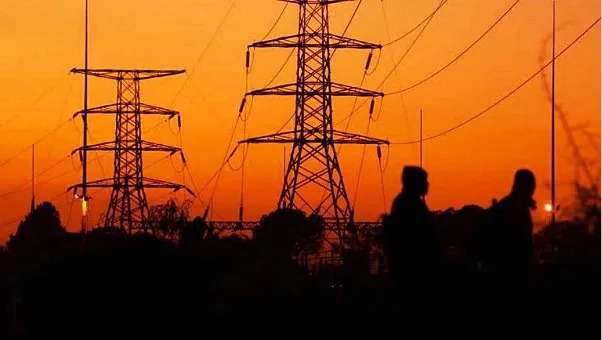
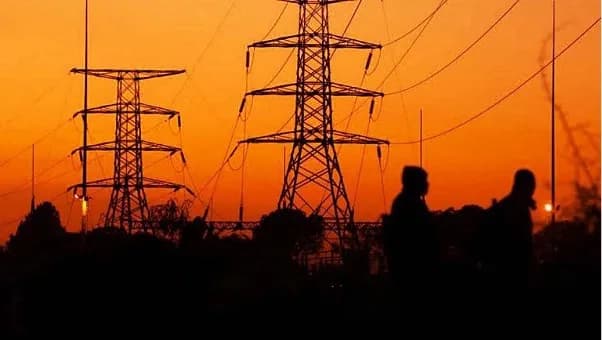
Nigeria is in the process of restoring power nationwide following a significant grid collapse that affected all 36 states and the capital city. The outage, which lasted approximately 10 hours, was attributed to a fire incident within one of the country’s power plants, leading to sharp frequency drops and ultimately causing a grid failure. This incident is part of a recurring issue, with Nigeria’s electrical grid experiencing multiple collapses in recent years.
Adebayo Adebulu, Nigeria’s Minister of Power, provided assurance that the situation is being addressed promptly. He stated on social media platform X (formerly known as Twitter) that the fire has been fully contained, and more than half of the affected connections have been restored, with the remainder expected to be back online soon.
The Enugu Electricity Distribution Company (EEDC), responsible for supplying electricity to southeastern Nigeria, declared a “total system” collapse, rendering them unable to provide service to their customers. Power generation plummeted to zero during the initial stages of the incident and had only reached 273 megawatts (MW) by 10:30 GMT, which is significantly below the daily average of 4,100MW, according to data from the Transmission Company of Nigeria.
Various electricity distribution companies across the country have been working to restore power to their respective regions, with assurances that supply will resume once the national grid is fully operational. Nigeria, despite being a major oil and gas producer, grapples with erratic grid power supply, compelling households and businesses to rely on costly diesel and petrol generators.
Furthermore, the prices of petrol and diesel have surged, more than doubling in the current year, following the government’s decision to end decades-long subsidies. This has left many households and businesses struggling to secure alternative power sources. In 2022, Nigeria faced grid collapses on at least four occasions, often attributed to technical problems.
To address these challenges, President Bola Tinubu has pledged to enhance power supply by permitting state governments to establish their power plants. This move is aimed at stimulating economic growth in a nation that has significant power generation capacity, with 12,500MW installed but only producing roughly a quarter of that capacity. By empowering state governments to take a more active role in power generation, Nigeria aims to mitigate the recurring grid instability issues and bolster its efforts to provide stable and reliable electricity to its citizens and businesses.