
Netflix co-founder resigns as CEO
Reed Hastings, co-founder of Netflix Inc., is stepping down as CEO of the firm he has headed for more than two decades, handing the post to his two close allies, Ted Sarandos and Greg Peters. Sarandos, who was previously co-CEO, is the company's public face in Hollywood, while Peters, who was formerly chief operating officer,
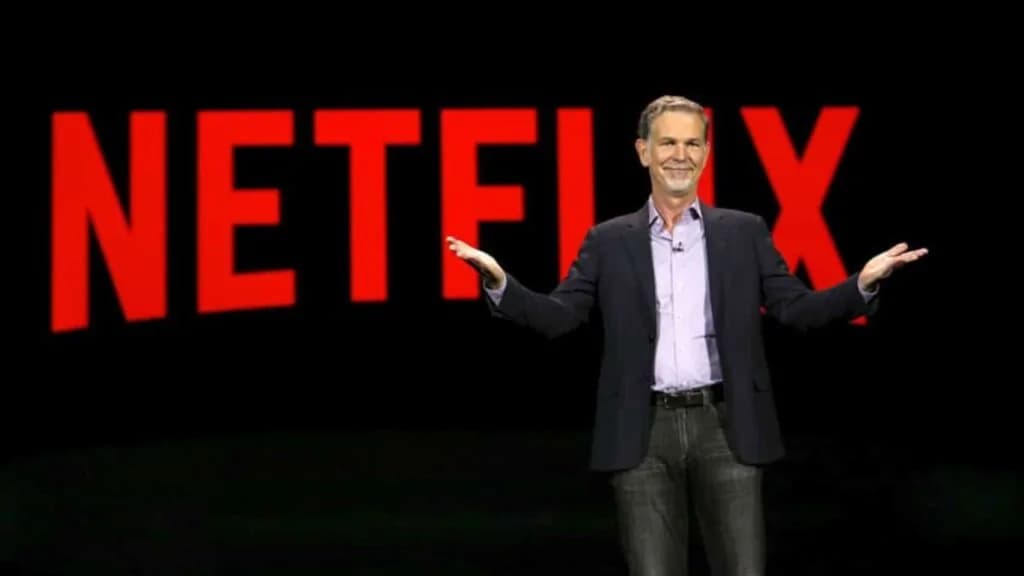
Netflix co-founder resigns as CEO
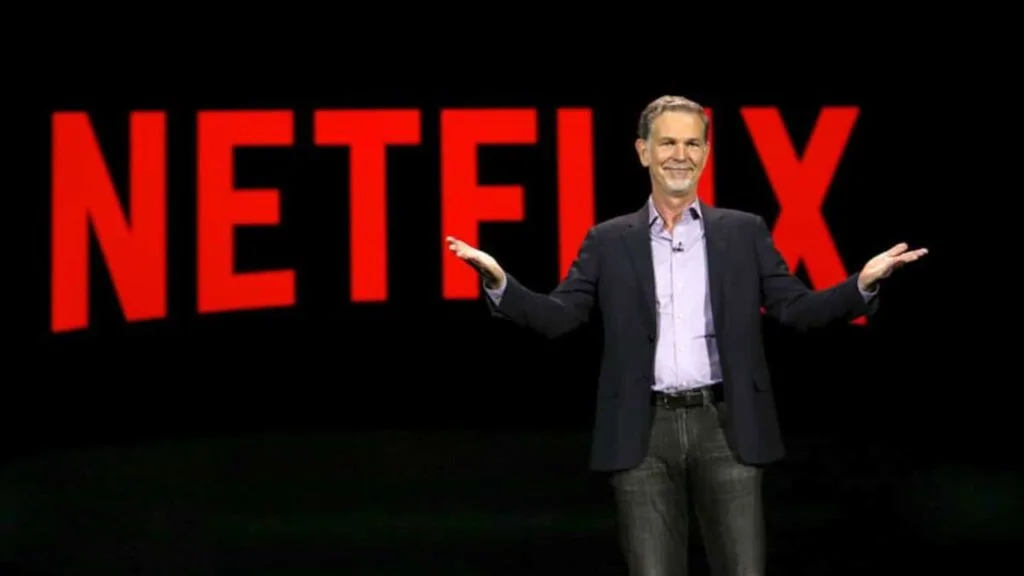
Reed Hastings, co-founder of Netflix Inc., is stepping down as CEO of the firm he has headed for more than two decades, handing the post to his two close allies, Ted Sarandos and Greg Peters.
Sarandos, who was previously co-CEO, is the company’s public face in Hollywood, while Peters, who was formerly chief operating officer, has supervised product development and the company’s push into advertising. Hastings, 62, will be the company’s executive chairman.
“Our board has been discussing succession planning for many years (even founders need to evolve!),” Hastings said in a blog post.
“The board and I believe it’s the right time to complete my succession.”
Netflix finished the year well. The business added 7.66 million customers in the fourth quarter of 2022, substantially above Wall Street analysts’ average expectation of 4.5 million.
Revenue of $7.85 billion was in line with expectations.
Although its earnings per share declined significantly from the same quarter a year ago, the business forecasted that its profit margin and free cash flow would grow in the coming year.
Following the announcement, Netflix’s stock increased by roughly 6% in after-hours trade. In late trade, shares of Paramount Global, Walt Disney Co., and Warner Bros. Discovery all gained.
Sarandos and Peters must steer Netflix through a difficult period in the media business.
The firm just recorded its worst year of membership growth since 2011, when it separated its streaming service from its DVD-by-mail offering.
Last year, the company’s stock lost half of its worth, and its increasing frugalness alienated some of the creative folks who formerly lauded Netflix as a champion of the arts.
However, the content lineup was one of Netflix’s best.
Wednesday was the company’s third most popular TV show ever, Troll was its most popular foreign-language film, and Glass Onion was its fourth most popular film.
According to Nielsen, its content accounted for more than 80% of the top ten most-watched streaming titles each week throughout the quarter.
Hastings has been hinting that he may stand down for a few years. In 2020, he promoted Sarandos to co-CEO and named Peters COO at the same time.
He has already entrusted practically all Hollywood decisions to Sarandos and has increasingly withdrawn from day-to-day commercial operations.
“There’s no big strategy shift or big culture shifts,” Peters said during an interview with analyst Jessica Reif Ehrlich after the earnings were released.
“We don’t have a bank of changes that we have been holding for this moment.”
Company History
Hastings co-founded Netflix in 1997 with another IT professional, Marc Randolph.
Randolph was Netflix’s CEO for the first several years, but he proved to be better at coming up with business ideas than directing a developing organisation.
Hastings took over as CEO from his co-founder and has never looked back.
He took the firm public and led Netflix to victory against the video rental chain Blockbuster.
Hastings launched a streaming service in 2007, and four years later, the streaming company was severed from the DVD-by-mail service.
That manoeuvre proved to be his single largest blunder at Netflix, as it resulted in a 60% price hike for the company’s subscribers.
He also gave the streaming service the unlucky moniker Qwikster. The company’s stock plummeted after losing 800,000 clients.
But Hastings’ future vision was sound. Customers desired on-demand video streaming via the internet.
That same year, Sarandos chose to invest $100 million in the production of two seasons of House of Cards.
Sarandos, a pop culture expert, joined Netflix in 2000 from a small video rental firm and had been striving for more than a decade to support original content.
House of Cards was a major success that irrevocably altered the company’s direction.
Netflix began spending billions of dollars each year on original programming, and Sarandos, who had previously served as Hastings’ deputy, was now portrayed as his partner.
Soon, Netflix’s major suppliers began to regard it as a foe rather than a friend, and Sarandos rose to become one of Hollywood’s most powerful executives.
Bela Bajaria will take over Sarandos’ previous role as chief content officer as part of the recent reorganisation. She had previously worked as the worldwide head of television.
The appointment of Peters as co-CEO assures that someone with a technological background will continue to lead a corporation founded in Silicon Valley.
Peters has been in charge of the company’s advertising drive as well as its efforts to eradicate password sharing.
“While Hastings stepping down seems like a shock, timing is key,” Paolo Pescatore, a media analyst with PP Foresight, said in an email.
“He has been at the helm for some time and every company needs to change, move with the times.”
The competition is heating up
Netflix’s development has been hampered in recent years by increased rivalry from Disney, HBO, Apple Inc., and others.
Many popular titles have been withdrawn from Netflix to be used for their own services, and the number of customers cancelling Netflix has skyrocketed.
However, Netflix hopes that a lower-cost, advertising-supported tier for budget-conscious customers, as well as a crackdown on password sharing, would improve growth.
It is estimated that over 100 million users use the service without paying for it.
Netflix began airing adverts in November, following years of promoting its service as an alternative to ad-supported television.
According to third-party data sources, ad tier performance has been variable.
According to Antenna, it was Netflix’s least popular plan in its debut month, and marketers believe the service has generated less viewers than the firm anticipated.
According to Ampere Analysis, the new tier resulted in a rise in new sign-ups on its first day and boosted its percentage of Netflix sign-ups in December.
Netflix expressed satisfaction with its results and stated that the advertising tier had drawn new, cost-conscious users.
The majority of individuals who choose the advertising tier are new subscribers, not people downgrading from a more expensive plan.
Over the previous decade, the firm nearly quadrupled the price of its most popular plan.
Advertising is a multibillion-dollar potential, and Netflix Chief Financial Officer Spencer Neumann predicts that the company’s advertising revenue will eventually surpass Hulu.
The business also stated that it is keeping an eye on the expansion of free, ad-supported services and would be willing to experiment with that model in the future.
While some other media businesses have experienced difficult CEO changes in recent years, Netflix executives concluded their earnings conference on Thursday by praising Hastings.
He was quick to tell everyone that it wasn’t farewell, but rather see you later. He still owns more than $1.6 billion in business stock.