Namibia Implements Ban on Unprocessed Critical Mineral Exports
Namibia recently declared a ban on the export of unprocessed critical minerals, including lithium, in order to capitalize on the rising global demand for metals used in clean energy technologies. The decision, announced by the government on Thursday, aims to ensure that the country benefits from the growing market for these resources. Namibia, located in
Namibia Implements Ban on Unprocessed Critical Mineral Exports
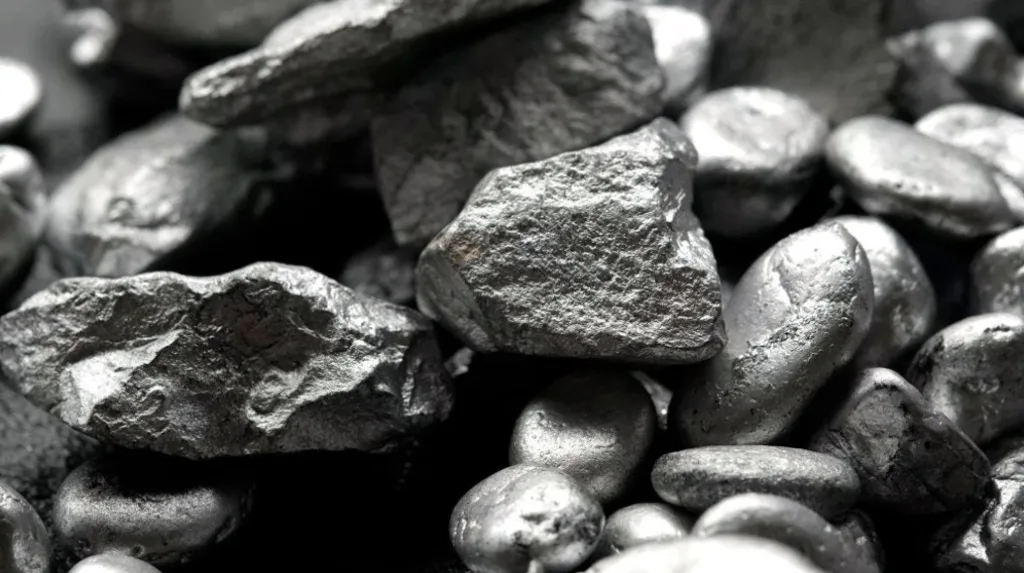
Namibia recently declared a ban on the export of unprocessed critical minerals, including lithium, in order to capitalize on the rising global demand for metals used in clean energy technologies. The decision, announced by the government on Thursday, aims to ensure that the country benefits from the growing market for these resources.
Namibia, located in southern Africa, has significant lithium deposits that are critical for renewable energy storage. Furthermore, the country possesses rare earth minerals such as dysprosium and terbium, which are required for the production of permanent magnets used in electric vehicle batteries and wind turbines.
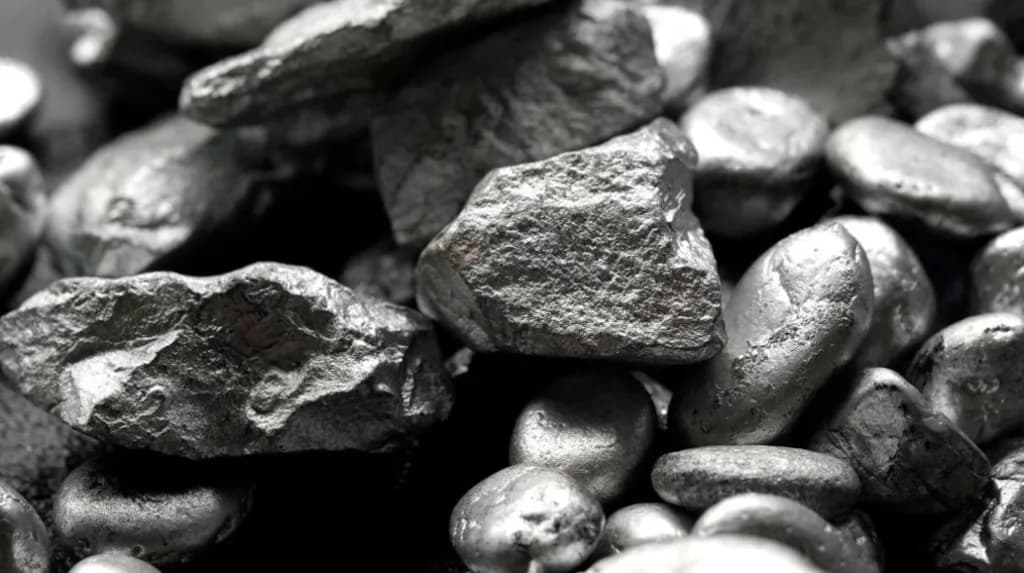
According to a statement issued by the country’s information ministry, the cabinet has approved the prohibition on exporting certain critical minerals in their unprocessed form. Unprocessed crushed lithium ore, cobalt, manganese, graphite, and rare earth minerals are among the restricted minerals. Small quantities of these minerals may, however, be exported with the approval of the mines minister.
Namibia has long been known as a world leader in the production of uranium and gem-quality diamonds. However, as the world shifts away from environmentally harmful fuels and toward renewable energy sources, the country’s battery metals have garnered significant attention.
Namibia signed a deal with the European Union last year to supply rare earth minerals as part of the EU’s strategy to reduce its reliance on China for critical minerals.
In Namibia, numerous companies are engaged in critical mineral projects. Prospect Resources and Arcadia Minerals, both of which are listed in Australia, are among them, as are Askari Metals. Celsius Resources and Namibia Critical Metals are both working on cobalt and rare earth projects.
Similarly, Zimbabwe, another major African lithium producer, banned the export of lithium ore in December of the previous year. The country now only allows the export of lithium concentrates. Zimbabwe’s government stated its desire for lithium miners to establish local production of battery-grade lithium and hinted at future export taxes on lithium concentrates.
Namibia’s decision to prohibit the export of unprocessed critical minerals reflects the country’s determination to capitalize on its abundant mineral resources for economic growth and to meet the growing demand for clean energy technologies. Namibia hopes to establish itself as a key player in the global clean energy sector while reducing its reliance on raw material exports by adding value to these minerals domestically.