Namibia Contemplates Resource Ownership in Mining and Petroleum Companies
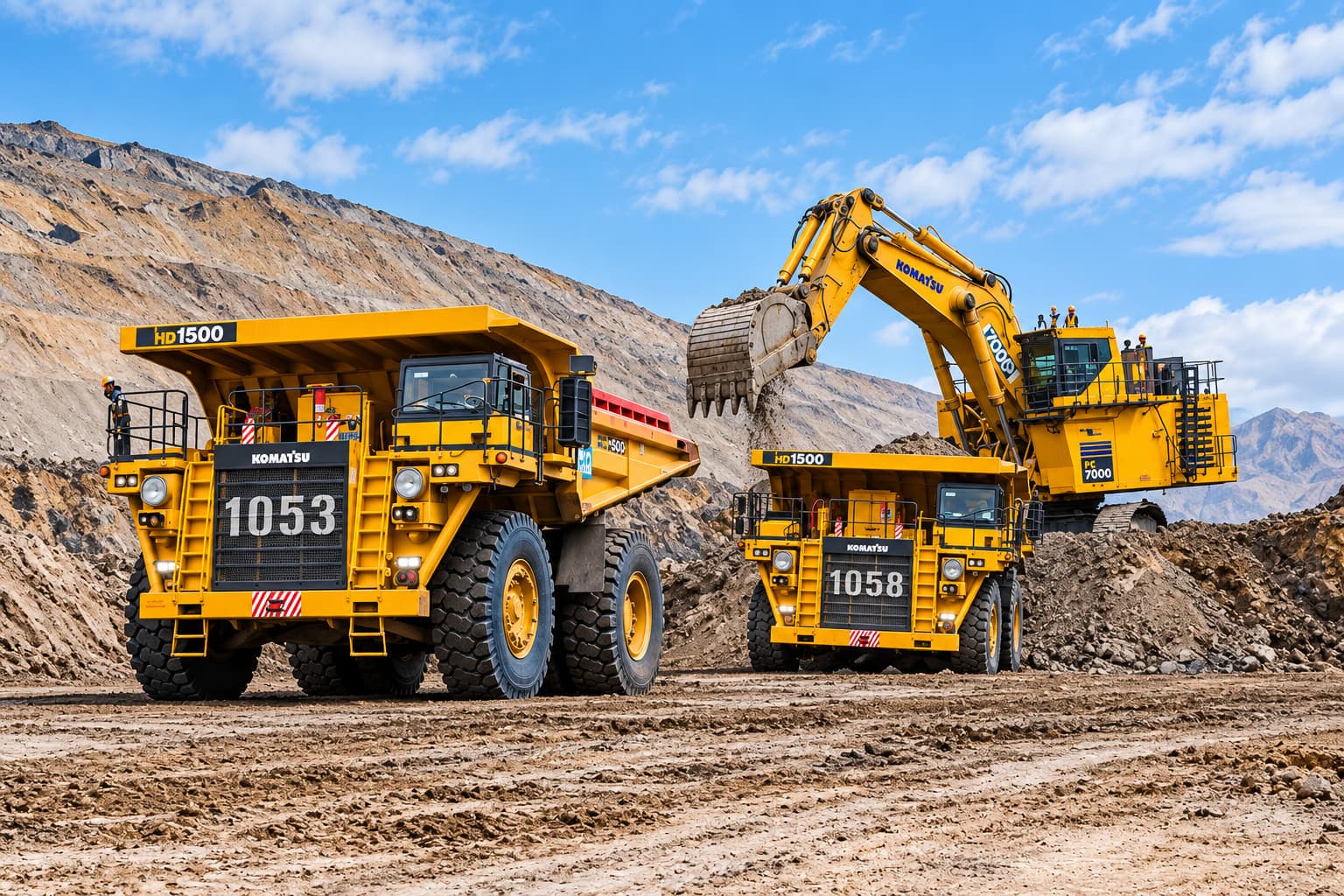
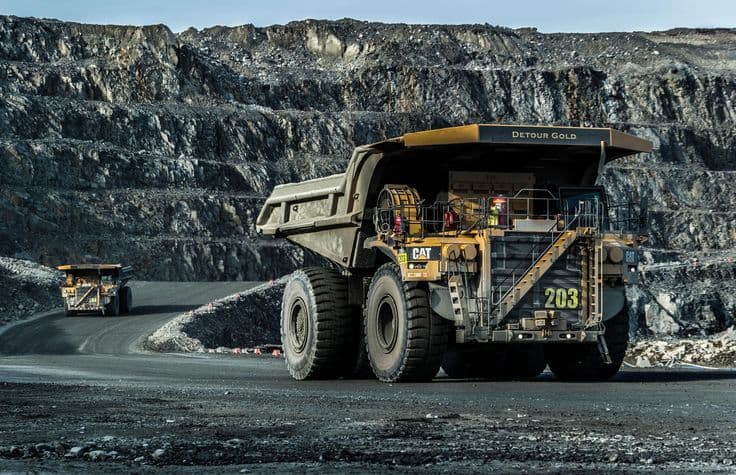
Namibia's government is currently considering acquiring minority stakes in mining and petroleum production companies. This thought stems from growing concerns about local ownership of the country's valuable resources. Tom Alweendo, the Mines and Energy Minister, emphasized the importance of local ownership, beginning with the state, which is the rightful owner of Namibia's natural resources. Alweendo
Namibia Contemplates Resource Ownership in Mining and Petroleum Companies
Namibia’s government is currently considering acquiring minority stakes in mining and petroleum production companies. This thought stems from growing concerns about local ownership of the country’s valuable resources. Tom Alweendo, the Mines and Energy Minister, emphasized the importance of local ownership, beginning with the state, which is the rightful owner of Namibia’s natural resources. Alweendo proposed a state ownership structure in which the government would hold a minimum equity stake in all mining and petroleum production enterprises while incurring no financial obligations.
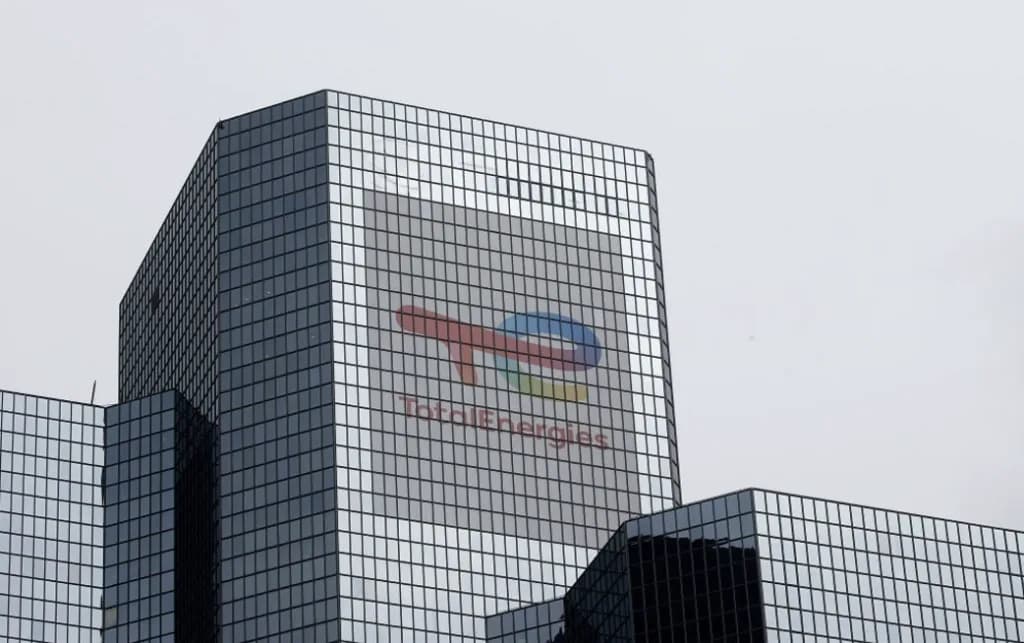
Namibia is a significant producer of diamonds and uranium in Africa. Notably, Impact Oil & Gas Ltd. announced plans to launch a multiwell drilling program in the country in collaboration with TotalEnergies SE, following the latter’s offshore oil discovery last year. However, the Namibian government’s considerations have had an impact on the market, resulting in a significant drop in the share value of Paladin Energy Ltd., an Australian uranium company that relies heavily on Namibia for revenue.
Namibia’s proclivity for resource nationalism is not an isolated occurrence. Several other countries, including Zimbabwe, Brazil, Chile, Indonesia, the Philippines, and Peru, are pursuing strategies to maximize the value of their mineral resources or considering increased state intervention. This trend can be attributed in part to the rise in commodity prices, which has prompted nations to reconsider their resource ownership and seek a greater share of the benefits.
Namibia is looking into the establishment of a mineral exploration fund in addition to exploring minority stakes. This fund could potentially be funded by a portion of the royalties paid to the state by mining and petroleum companies. The primary goal of this fund would be to assist local entrepreneurs interested in investing in the mining sector. The Namibian government intends to empower local people to actively participate in the country’s mineral industry and contribute to its growth and development by providing financial assistance.
These proposed measures reflect Namibia’s determination to increase local participation and ensure equitable distribution of the benefits derived from its natural resources. The government intends to exercise greater control and provide opportunities for local entrepreneurs to engage in the mining and petroleum sectors by acquiring minority stakes and establishing a mineral exploration fund. Such initiatives are consistent with the global trend of resource nationalism, in which countries assert their rights to valuable resources while attempting to achieve a more equitable distribution of wealth generated by their extraction.
As Namibia moves forward with these considerations, it remains to be seen how these measures will be implemented and the potential impact they will have on the country’s resource sector. Nonetheless, the government’s commitment to local ownership and empowerment reflects its commitment to realizing the full potential of Namibia’s natural resources for the benefit of the Namibian people.